
Analog Paper Collage
Learn to transform printed scraps, vintage imagery, and paper scraps into compelling visual art. Explore hands-on cutting techniques, composition principles, mixed-media layering, and storytelling without needing advanced drawing skills.
Like Duolingo, but for Analog Paper Collage. Tomo turns the whole topic into a game you play five minutes a day, until it actually sticks.
24 levels across 4 sections, about 48 minutes end to end, roughly 10 days at five minutes a day. It moves through Making Your First Assemblage, Composition and Visual Impact, Materials and Mixed-Media Techniques, and Storytelling and Finishing. It starts from scratch.
Free forever · No credit card · iPhone & Android
Key ideas in Analog Paper Collage
- In analog collage, placing two unrelated paper images side-by-side or overlapping prompts the viewer's brain to connect them into a brand-new story
- The creative spark comes from juxtaposition rather than drawing new elements from scratch
- The interaction between elements creates a concept that neither image had on its own
- Viewers identify collage cutouts first by their outer contour before scanning interior details
- A crisp, readable silhouette makes a cutout instantly readable against a background
- Spending excessive time cutting micro-details inside a shape rarely improves visual impact as much as a clean boundary
- A dry layout involves arranging loose paper pieces onto a surface without any adhesive
- Leaving pieces unglued lets you experiment freely with scale, overlap, and placement without ruining delicate clippings
- Committing to glue too early limits your ability to discover unexpected layerings
- Standard glue sticks contain very little water, allowing thin magazine cutouts to stick without bubbling or stretching
- Water-based liquid craft glues saturate wood pulp fibers in thin paper, expanding them unevenly and creating permanent wrinkles
- Matching adhesive type to paper weight is essential for a smooth, flat analog finish
- Taking a reference photo with a smartphone captures the exact overlap angles and placements before moving anything
- Collages must be glued from the bottom-most background layer upward to preserve intended overlaps
- Having a visual reference prevents the frustration of forgetting how loose pieces fit together once they are moved
- A sharp craft knife produces clean, hard edges that completely isolate a subject from its original magazine background
You've tried the other tabs
Thirty open tabs. Four facts you actually kept.
You watched. You nodded. By Sunday it was gone.
One answer, then back to scrolling.
Eight weeks. You meant to finish. You didn't.
Tomo gives Analog Paper Collage the Duolingo treatment: levels, streaks, and quick quizzes that test what you just learned. That game loop is what the tabs above never had, so it's the one you actually finish.
Here's what playing it feels like
A real question from this course. Take your best guess.
Where does the creative spark in paper collage mainly come from?
Get it right to open this lesson and 23 more in the app.
How to learn Analog Paper Collage, step by step
Go in order. 24 short levels across 4 sections, about 48 minutes in all, five minutes a day.
- 1
Making Your First Assemblage
- Juxtaposition and the Dry Layout
- Cutting Styles and Edge Work
- 2
Composition and Visual Impact
- Scale Shock and Spatial Illusion
- Texture, Pattern, and Color Harmony
- 3
Materials and Mixed-Media Techniques
- Working with Vintage Ephemera
- Inks, Washes, and Surface Alterations
- 4
Storytelling and Finishing
- Typography and Found Text as Art
- Visual Narrative and Preservation
4 sections · 8 units · 24 levels. Built to play, not to enroll.
Questions about Analog Paper Collage
How do I learn Analog Paper Collage?
Go in order: start with Making Your First Assemblage, then Composition and Visual Impact, then Materials and Mixed-Media Techniques, then Storytelling and Finishing. On Tomo that's 24 short levels, about 48 minutes in all, played five minutes a day. Start free and play the first level in under a minute.
Is there a Duolingo-style app for Analog Paper Collage?
Yes. Tomo works like Duolingo: short daily lessons, streaks and quick quizzes. Analog Paper Collage is one of its free courses, and you can type any other topic to get a course of your own.
Is the Analog Paper Collage course free?
Yes. Analog Paper Collage is playable on Tomo's free plan, which doesn't expire. No credit card, no waitlist. Download the app and start your first lesson.
How long does it take to learn Analog Paper Collage?
24 levels across 4 sections, about 48 minutes of play in total. It's built for five minutes a day, so you finish it a little at a time instead of all at once.
Do I need any background to start Analog Paper Collage?
No. It's pitched at a beginner level, so it starts where you are and builds up. If you can tap a phone, you can start.
Tomo is in ChatGPT
Tomo is also a ChatGPT plugin: the same playable courses, built and played inside your chat.
Add Tomo to ChatGPT- What to ask
- “Make me a Tomo course on black holes.” “Turn this chat into a Tomo course.”
- What you get
- Quick questions with instant feedback, hearts and stars, ready to play in about a minute.
- Where it goes
- No sign-up to start. Connect your Tomo account and your streak carries on in the app.
You pick the voice
Analog Paper Collage is taught in the Bestie style: your friend who just gets it. Want a different feel? In the app you can spin up the same topic in any of Tomo's teaching styles. Same facts, totally different vibe.
More Arts on Tomo
Studio Art Foundations
Build real confidence with drawing, color theory, and composition through essential studio habits. Master core visual elements, plan original artwork, and learn to discuss creative work like an artist.
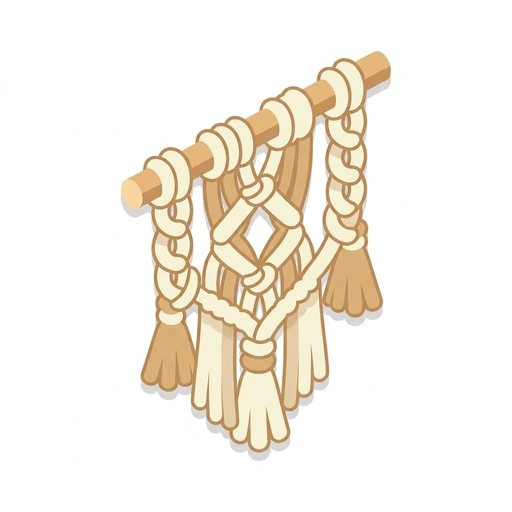
Macramé: The Art of Knots
Transform simple cord into stunning home decor. Learn the essential knots and patterns to create wall hangings, plant hangers, and more.
Visual Arts Studio Foundations
Build essential high school studio art skills through hands-on visual literacy, foundational techniques, and thoughtful critique. Designed as an introductory practice draft across media, design principles, and personal expression.
Cinematic Visual Storytelling
Move beyond basic recording to master the art of visual narrative. Learn to manipulate light, lenses, and structure to evoke specific emotions and tell compelling stories on screen.

The Creator's Toolkit: From Kitchen to Camera
Discover the shared secrets of world-class creators. Learn how to balance flavors, compose cinematic shots, and design sensory experiences that captivate an audience.
The Deliberate Frame
Refine your photographic intuition into razor-sharp technical and artistic control. Explore light falloff physics, optical compression, precise dynamic range mapping, and cohesive visual sequencing.
Start Analog Paper Collage today.
Download Tomo, search Analog Paper Collage, and play your first lesson in under a minute.