
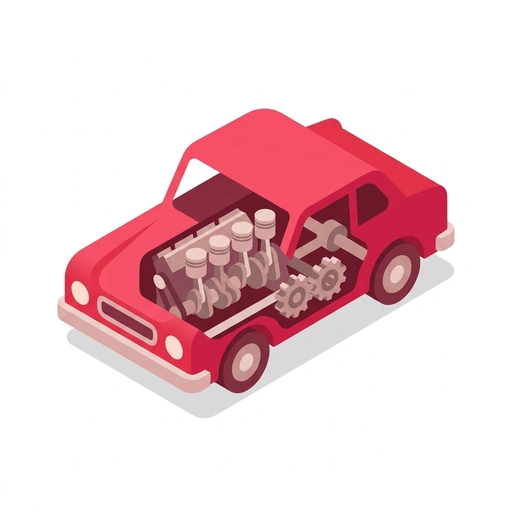
Как устроен автомобиль
Понятное руководство по анатомии автомобиля на примере переднеприводного седана Mazda Atenza. Разберитесь, что находится под капотом, как четырехтактный мотор превращает бензин в движение и почему машина слушается руля и тормозов.
Like Duolingo, but for Как устроен автомобиль. Tomo turns the whole topic into a game you play five minutes a day, until it actually sticks.
A short one: 12 levels across 2 sections, about 24 minutes end to end, roughly 5 days at five minutes a day. It moves through Под капотом: как рождается тяга and Передача движения и контроль над дорогой. It starts from scratch.
Free forever · No credit card · iPhone & Android
Key ideas in Как устроен автомобиль
- Центральная массивная часть под капотом — это силовой агрегат: двигатель и жестко состыкованная с ним коробка передач
- Все остальные узлы вокруг (радиаторы, бачки, патрубки, провода) — это вспомогательные системы питания, охлаждения, смазки и зажигания
- Яркое кольцо или ручка (обычно желтая или оранжевая) указывает на масляный щуп двигателя
- Антифриз залит в полупрозрачный расширительный бачок системы охлаждения, чтобы видеть уровень цветной жидкости
- Бачок тормозной жидкости обычно небольшой, прозрачный и расположен ближе к педали тормоза (у стенки салона)
- Проверка выполняется только на ровной поверхности при выключенном двигателе, дав маслу стечь в поддон
- Первый замер всегда смазан брызгами: щуп нужно сначала вынуть, протереть салфеткой, вставить обратно до упора и только затем оценивать границу пленки
- Уровень масла должен находиться строго между отсечками MIN и MAX
- Аккумулятор нужен только для питания бортовой сети на парковке и подачи тока на стартер для запуска двигателя
- Как только двигатель завелся, всю электроэнергию для фар, музыки и зарядки самого аккумулятора производит генератор
- Приводной ремень передает механическое вращение коленвала на внешние навесные агрегаты
- Один и тот же ремень обычно вращает генератор, помпу системы охлаждения и насос гидроусилителя (или компрессор кондиционера)
- Коробка передач стыкуется с мотором напрямую через сцепление или гидротрансформатор, а не через приводной ремень
- Сначала цилиндр засасывает топливно-воздушную смесь при ходе поршня вниз (впуск)
- Затем поршень поднимается вверх и сжимает смесь для эффективного горения (сжатие)
- Смесь поджигается, раскаленные газы толкают поршень вниз — это единственный такт, вырабатывающий силу (рабочий ход), после чего отработанные газы выталкиваются наружу (выпуск)
You've tried the other tabs
Thirty open tabs. Four facts you actually kept.
You watched. You nodded. By Sunday it was gone.
One answer, then back to scrolling.
Eight weeks. You meant to finish. You didn't.
Tomo gives Как устроен автомобиль the Duolingo treatment: levels, streaks, and quick quizzes that test what you just learned. That game loop is what the tabs above never had, so it's the one you actually finish.
Here's what playing it feels like
A real question from this course. Take your best guess.
Вы открыли капот. Что за массивный металлический блок занимает большую часть пространства в центре?
Get it right to open this lesson and 11 more in the app.
How to learn Как устроен автомобиль, step by step
Go in order. 12 short levels across 2 sections, about 24 minutes in all, five minutes a day.
- 1
Под капотом: как рождается тяга
- Ориентирование под капотом: узлы и технические жидкости
- Четырехтактный двигатель: поршни, клапаны и искра
- 2
Передача движения и контроль над дорогой
- От мотора к колесам: автомат и приводы
- Ходовая часть: подвеска, руль и тормозная система
2 sections · 4 units · 12 levels. Built to play, not to enroll.
Questions about Как устроен автомобиль
How do I learn Как устроен автомобиль?
Go in order: start with Под капотом: как рождается тяга, then Передача движения и контроль над дорогой. On Tomo that's 12 short levels, about 24 minutes in all, played five minutes a day. Start free and play the first level in under a minute.
Is there a Duolingo-style app for Как устроен автомобиль?
Yes. Tomo works like Duolingo: short daily lessons, streaks and quick quizzes. Как устроен автомобиль is one of its free courses, and you can type any other topic to get a course of your own.
Is the Как устроен автомобиль course free?
Yes. Как устроен автомобиль is playable on Tomo's free plan, which doesn't expire. No credit card, no waitlist. Download the app and start your first lesson.
How long does it take to learn Как устроен автомобиль?
12 levels across 2 sections, about 24 minutes of play in total. It's built for five minutes a day, so you finish it a little at a time instead of all at once.
Do I need any background to start Как устроен автомобиль?
No. It's pitched at a beginner level, so it starts where you are and builds up. If you can tap a phone, you can start.
Tomo is in ChatGPT
Tomo is also a ChatGPT plugin: the same playable courses, built and played inside your chat.
Add Tomo to ChatGPT- What to ask
- “Make me a Tomo course on black holes.” “Turn this chat into a Tomo course.”
- What you get
- Quick questions with instant feedback, hearts and stars, ready to play in about a minute.
- Where it goes
- No sign-up to start. Connect your Tomo account and your streak carries on in the app.
You pick the voice
Как устроен автомобиль is taught in the Bestie style: your friend who just gets it. Want a different feel? In the app you can spin up the same topic in any of Tomo's teaching styles. Same facts, totally different vibe.
More Technology on Tomo
Cars: From Commuters to Supercars
Learn to read spec sheets, understand what keeps a car running and holding its value, and demystify the high-stakes world of supercars and elite tuners. This course gives you an insider's eye for vehicle performance, mechanics, and collector appeal.

مغامرة كيوبيتو في الفضاء
رحلة تعليمية ممتعة عبر الفضاء مع الروبوت الخشبي كيوبيتو لتعلم أساسيات البرمجة الحركية. سيكتشف الأطفال كيفية توجيهه عبر الكواكب باستخدام المكعبات الملونة لتحديد الاتجاهات وتفادي العقبات.

Basic Car Mechanics
Gain the confidence to inspect your vehicle, spot warning signs before they become costly breakdowns, and speak the language of professional mechanics. Learn the practical checks, sensory diagnostics, and maintenance rules that keep any car running safely.

How Home Electricity Works
Understand how power flows through your living space, why breakers trip, and how to safely run everyday appliances without overloading circuits. Gain the confidence to inspect outlets, calculate electrical loads, and troubleshoot common household issues safely.
Tape Measure on the Job Site
Learn how tradespeople turn a standard tape measure into a rigid, dead-accurate layout instrument. Master hook mechanics, box rough-in heights, and conduit layout tricks for construction work.

Clear Prompts for Everyday AI
Stop settling for generic, messy answers from AI tools. Learn the core techniques to frame tasks, demonstrate what you want, and steer models to deliver reliable results every time.
Start Как устроен автомобиль today.
Download Tomo, search Как устроен автомобиль, and play your first lesson in under a minute.