

Fabric Arts: Structure and Style
Move beyond basic stitches to understand the engineering and chemistry of textiles. Learn to manipulate drape, reinforce structures, and hack patterns for professional results.
Like Duolingo, but for Fabric Arts: Structure and Style. Tomo turns the whole topic into a game you play five minutes a day, until it actually sticks.
23 levels across 4 sections, about 46 minutes end to end, roughly 9 days at five minutes a day. It moves through Refining Your Technique, Material and Form, Design and Construction, and The Science of Fiber. It assumes you already know the basics.
Free forever · No credit card · iPhone & Android

Key ideas in Fabric Arts: Structure and Style
- The bridge hand must maintain a steady, unyielding path for the thread
- The tug test reveals if the bobbin and top threads are interlocking inside the fabric
- Inconsistent pauses in your stitching rhythm cause the thread to jerk or slacken
- Seam grinning indicates the stitch lacks the structural integrity to hold under stress
- How hand positioning and rhythm create consistent tension
- Using the 'tug test' to identify structural unevenness
- Thick layers require slower speeds to allow the needle to penetrate without deflection
- Rhythmic breathing and posture prevent the muscle bracing that causes fatigue
- The feed dogs struggle to move heavy bulk without manual 'steering' and pacing
- Visual uniformity is achieved when the 'cadence' of the machine matches hand movement
- Establishing a rhythmic workflow for large-scale projects
- Pressing allowances in opposite directions allows them to 'lock' together
- The garment side allowance stays longest to hide the internal 'steps'
- Adjusting feed speed for varying fabric thicknesses
- Nesting prevents the needle from hitting four layers of fabric at once
- Staggering widths prevents a single thick ridge from showing through
You've tried the other tabs
Thirty open tabs. Four facts you actually kept.
You watched. You nodded. By Sunday it was gone.
One answer, then back to scrolling.
Eight weeks. You meant to finish. You didn't.
Tomo gives Fabric Arts: Structure and Style the Duolingo treatment: levels, streaks, and quick quizzes that test what you just learned. That game loop is what the tabs above never had, so it's the one you actually finish.
Here's what playing it feels like
A real question from this course. Take your best guess.
Picture this: you are guiding a delicate silk under the needle. What role should your 'bridge' hand play to ensure the thread flows perfectly?
Get it right to open this lesson and 22 more in the app.
Where Fabric Arts: Structure and Style takes you
- 1
Refining Your Technique
- Mastering Tension and Flow
- Precision Seams and Joinery
- 2
Material and Form
- Reading the Drape and Grain
- Manipulating Surface Texture
- 3
Design and Construction
- Structural Reinforcement
- Pattern Hacking and Alteration
- 4
The Science of Fiber
- Fiber Chemistry and Dyeing
- Longevity and Textile Care
4 sections · 8 units · 23 levels. Built to play, not to enroll.
You pick the voice
Fabric Arts: Structure and Style is taught in the The Storyteller style: every lesson is a story. Want a different feel? In the app you can spin up the same topic in any of Tomo's teaching styles. Same facts, totally different vibe.
More Arts on Tomo
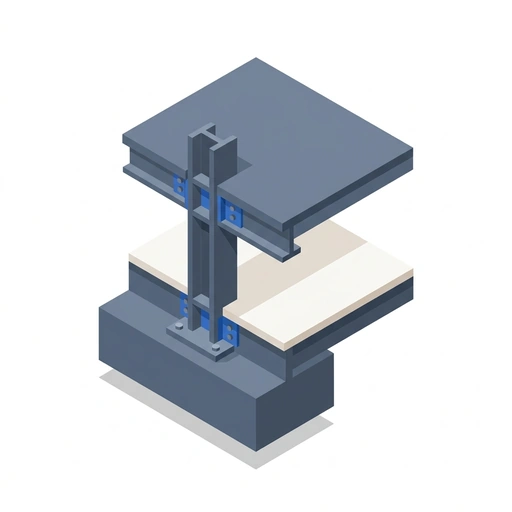
Reading Architectural Tectonics
Move beyond facade aesthetics by decoding the engineering and spatial logics that drive contemporary buildings. Analyze how load transfers, envelope detailing, and sectional cuts convert practical structural constraints into compelling spatial experiences. Develop an expert eye for structural joints, environmental envelopes, and material palimpsests.
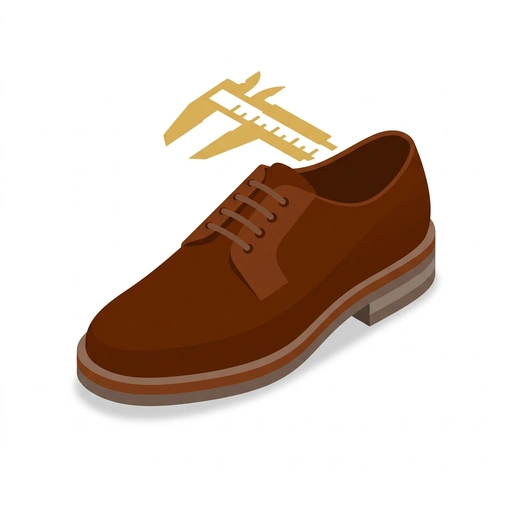
Advanced Derby Shoe Design
Master the technical nuances of the Derby silhouette, from precision pattern engineering to the biomechanics of open-lacing systems.
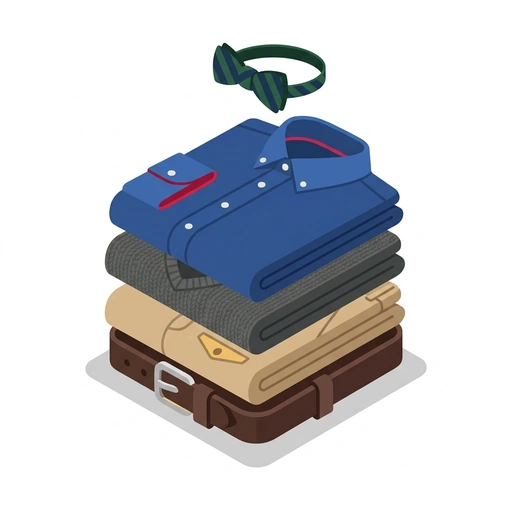
Everyday Men's Style
Build a reliable, versatile wardrobe without chasing fleeting trends. Learn how clothes should properly fit, how to effortlessly combine colors and textures, and how to look put-together for any setting.

Modern Architecture: Neutra, Breuer, Niemeyer
Examine how Richard Neutra, Marcel Breuer, and Oscar Niemeyer pushed the limits of glass, steel, and concrete. Learn to analyze their structural framing, climate responses, and spatial innovations. Trace how their distinct regional adaptations reshaped twentieth-century built environments.

Fashion Design: From Sketch to Stitch
Learn to translate your creative visions into wearable art. This course covers everything from the fundamentals of fashion sketching to the structural logic of garment construction.
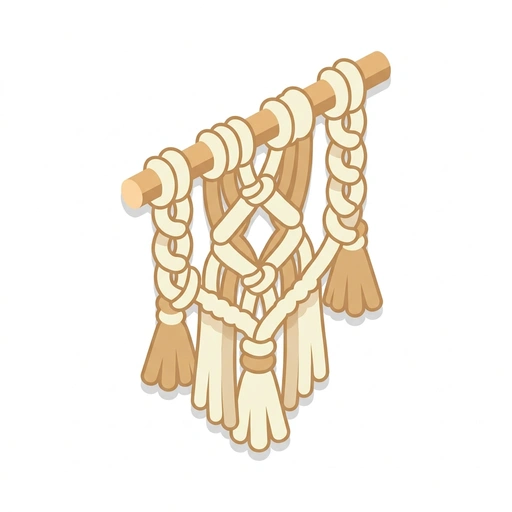
Macramé: The Art of Knots
Transform simple cord into stunning home decor. Learn the essential knots and patterns to create wall hangings, plant hangers, and more.
Start Fabric Arts: Structure and Style today.
Download Tomo, search Fabric Arts: Structure and Style, and play your first lesson in under a minute.