
How Global Politics Works
Learn how power really flows between nations and why countries make the strategic choices they do. Decode foreign news headlines, understand treaties and alliances, and see through the theater of international relations.
Like Duolingo, but for How Global Politics Works. Tomo turns the whole topic into a game you play five minutes a day, until it actually sticks.
A short one: 11 levels across 2 sections, about 22 minutes end to end, roughly 4 days at five minutes a day. It moves through Reading the Global Chessboard and Alliances, Rules, and Breakdowns. It starts from scratch.
Free forever · No credit card · iPhone & Android
Key ideas in How Global Politics Works
- International relations operates in a state of anarchy, meaning there is no central world government or global police
- Organizations like the UN depend entirely on voluntary member contributions and member consensus
- Because no higher power guarantees protection, every nation must ultimately rely on itself for its own survival
- Nations do not have permanent friends or enemies, only permanent interests
- Foreign policy decisions are driven primarily by current national security, trade, and strategic advantage rather than sentimental loyalty
- Past treaties and alliances are routinely renegotiated or abandoned when strategic conditions change
- Defensive military moves by one country can look offensive to its neighbors
- Neighboring countries react to fear by buying weapons of their own to balance the perceived threat
- The mutual escalation leaves both countries feeling less safe than when they started
- Physical geography—such as flat plains, mountains, and ice-free seas—creates permanent strategic vulnerabilities
- A country's basic geopolitical aims often stay the same regardless of which political party or ideology is in power
- Hard power compels action through tangible coercion, like military forces or punitive economic penalties
- Soft power attracts cooperation through admiration, culture, educational ties, and diplomatic legitimacy
- Economic restrictions and military deployments are both forms of hard power because they rely on coercion rather than attraction
- Sanctions frequently restrict banking and currency flow, driving inflation and shortages of basic consumer goods
- Authoritarian rulers usually insulate themselves and their military from economic pain long before everyday citizens find relief
You've tried the other tabs
Thirty open tabs. Four facts you actually kept.
You watched. You nodded. By Sunday it was gone.
One answer, then back to scrolling.
Eight weeks. You meant to finish. You didn't.
Tomo gives How Global Politics Works the Duolingo treatment: levels, streaks, and quick quizzes that test what you just learned. That game loop is what the tabs above never had, so it's the one you actually finish.
Here's what playing it feels like
A real question from this course. Take your best guess.
Where does an organization like the United Nations (UN) get its power and resources?
Get it right to open this lesson and 10 more in the app.
Where How Global Politics Works takes you
- 1
Reading the Global Chessboard
- Why Countries Act Selfishly
- The Levers of Power Beyond War
- 2
Alliances, Rules, and Breakdowns
- Alliances and the Logic of Deterrence
- The Fragile System of International Law
2 sections · 4 units · 11 levels. Built to play, not to enroll.
Tomo is in ChatGPT
Tomo is also a ChatGPT plugin: the same playable courses, built and played inside your chat.
Add Tomo to ChatGPT- What to ask
- “Make me a Tomo course on black holes.” “Turn this chat into a Tomo course.”
- What you get
- Quick questions with instant feedback, hearts and stars, ready to play in about a minute.
- Where it goes
- No sign-up to start. Connect your Tomo account and your streak carries on in the app.
You pick the voice
How Global Politics Works is taught in the Bestie style: your friend who just gets it. Want a different feel? In the app you can spin up the same topic in any of Tomo's teaching styles. Same facts, totally different vibe.
More History on Tomo
International Relations in the Real World
Decode the daily headlines and understand why countries cooperate, compete, and clash. Explore how power, trade, alliances, and security dilemmas shape today's global landscape.
Geopolitics: The World's Hidden Rules
Understand why nations behave the way they do by looking at the map. Learn to see the world as a high-stakes game of chess where geography dictates the moves.

The Great War: Beyond the Trenches
Move beyond basic dates to understand the human experience, the shifting maps of empires, and the technological leaps that changed warfare forever. Discover how a single spark ignited a global fire that still shapes our world today.
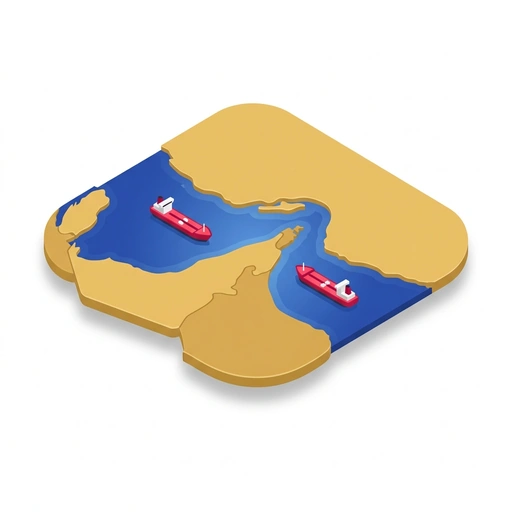
The Strait of Hormuz
Understand why a narrow 21-mile waterway holds the key to global energy flows and maritime strategy. Trace the geography between Iran and Oman, explore the incentives of Gulf states and world powers, and decode how deterrence works in a vital global choke point.
The Dewey Decimal System
Unlock the secret map hidden on library shelves. Learn how to decode call numbers, predict where subjects live, and browse the stacks to discover books you didn't know you were looking for.
Napoleon: The Rise and Fall
Follow the journey of a young outsider from Corsica who reshaped the map of Europe and became one of history's most powerful emperors.
Start How Global Politics Works today.
Download Tomo, search How Global Politics Works, and play your first lesson in under a minute.