
How the Human Body Works
Discover the incredible machinery of human anatomy and physiology. Learn how your bones, muscles, nerves, and organs work together in real time to keep you moving, thinking, and alive.
Like Duolingo, but for How the Human Body Works. Tomo turns the whole topic into a game you play five minutes a day, until it actually sticks.
27 levels across 3 sections, about 54 minutes end to end, roughly 11 days at five minutes a day. It moves through Moving and Sensing; The Inner Life-Support Engine; and Regulation, Defense, and Balance. It starts from scratch.
Free forever · No credit card · iPhone & Android
Key ideas in How the Human Body Works
- Bone acts as a dynamic calcium reservoir for the rest of the body
- Bone tissue breaks down small amounts of its mineral matrix to replenish calcium in the bloodstream
- Bone constantly remodels itself rather than remaining static, inert chalk
- Skull sutures are fused tight to maximize protection with zero movement
- Spine joints allow slight flexibility while preserving stable load bearing
- Ball-and-socket joints like the shoulder grant broad range of motion at the cost of being easy to dislocate
- Cartilage caps bone ends with a slick, rubbery shock absorber
- Cartilage lacks direct blood vessels, meaning nutrients diffuse in slowly from surrounding fluid
- Damage or wear to cartilage is largely permanent because healing capacity is minimal
- Ligaments anchor bone directly to bone to set hard boundaries on joint movement
- Tendons connect muscle to bone to transmit pulling force
- Stretched or torn ligaments destabilize the joint and risk dislocation
- Bone lays down extra mineral mass specifically where repeated mechanical impact or weight stresses it
- Without gravitational load or resistance, bone tissue reabsorbs mineral content and becomes porous
- Bone density adapts dynamically to daily mechanical demand throughout life
- Muscles can only generate active force by pulling, never by pushing
You've tried the other tabs
Thirty open tabs. Four facts you actually kept.
You watched. You nodded. By Sunday it was gone.
One answer, then back to scrolling.
Eight weeks. You meant to finish. You didn't.
Tomo gives How the Human Body Works the Duolingo treatment: levels, streaks, and quick quizzes that test what you just learned. That game loop is what the tabs above never had, so it's the one you actually finish.
Here's what playing it feels like
A real question from this course. Take your best guess.
What happens when your blood runs low on calcium?
Get it right to open this lesson and 26 more in the app.
Where How the Human Body Works takes you
- 1
Moving and Sensing
- How Bones and Joints Build a Living Frame
- How Muscles Power and Stabilize Movement
- The Nervous Highway: Wiring Sensation and Action
- 2
The Inner Life-Support Engine
- The Circulatory Circuit: Pumping Blood and Pressure
- The Breath Exchange: Moving Gases Between Air and Blood
- The Digestive Factory: Extracting Energy and Raw Materials
- 3
Regulation, Defense, and Balance
- The Chemical Regulators: Hormones and Endocrine Control
- Waste Filtration and Fluid Balance: How Kidneys Clean House
- Immunity and the Lymphatic Shield: Defending the Living System
3 sections · 9 units · 27 levels. Built to play, not to enroll.
You pick the voice
How the Human Body Works is taught in the Explain Like I'm 5 style: no big words. promise.. Want a different feel? In the app you can spin up the same topic in any of Tomo's teaching styles. Same facts, totally different vibe.
More Science on Tomo
How the Human Body Works
Discover how your body coordinates movement, fuels your cells, and keeps you alive. Learn the mechanics behind everyday sensations from your heartbeat to muscle fatigue.
How the Human Body Fits Together
Explore the elegant architecture of your own body from the inside out. Learn how your skeleton, muscles, circulation, and vital organs coordinate to keep you upright, moving, and alive.
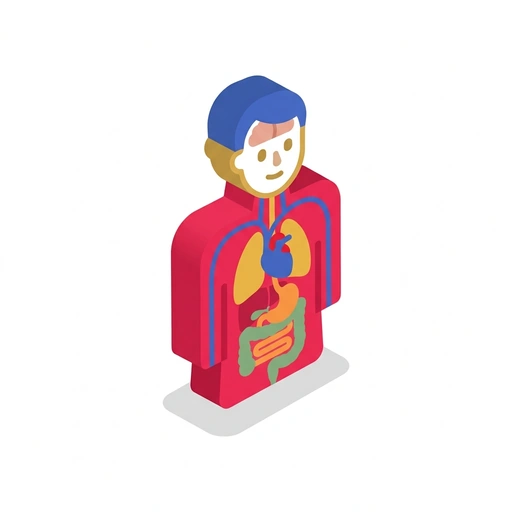
How the Human Body Works
Discover the incredible machinery running beneath your skin every second. Learn how your organs coordinate, why your body produces familiar everyday sensations, and what it takes to keep you moving, thinking, and alive.
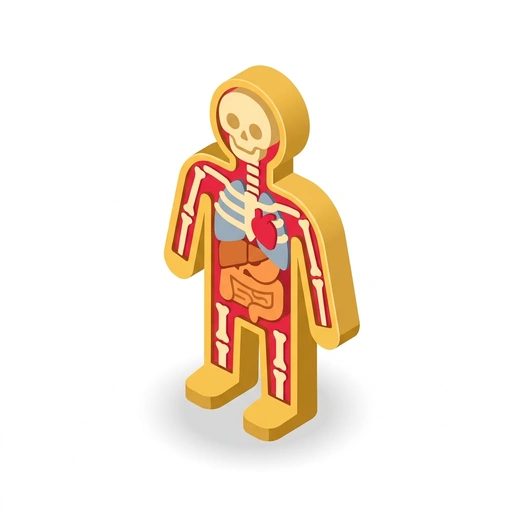
Anatomy of the Human Body
Discover how your bones, muscles, and internal systems coordinate every breath and step. Understand the physical machinery that powers daily movement, circulation, and sensation.
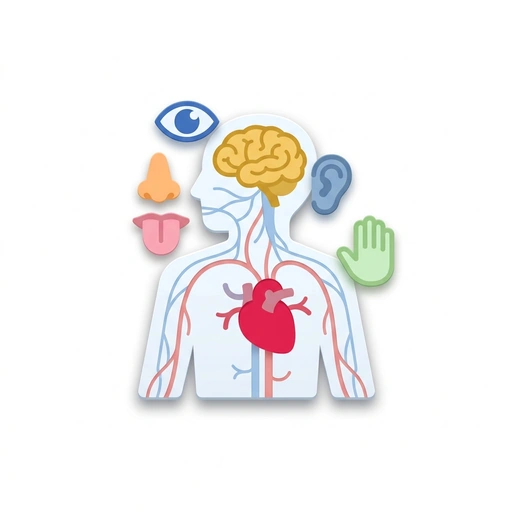
How the Human Body Works
Discover how your senses, muscles, brain, and heart collaborate as an extraordinary living machine. Learn how your body translates the world outside into thought, movement, and life on the inside.
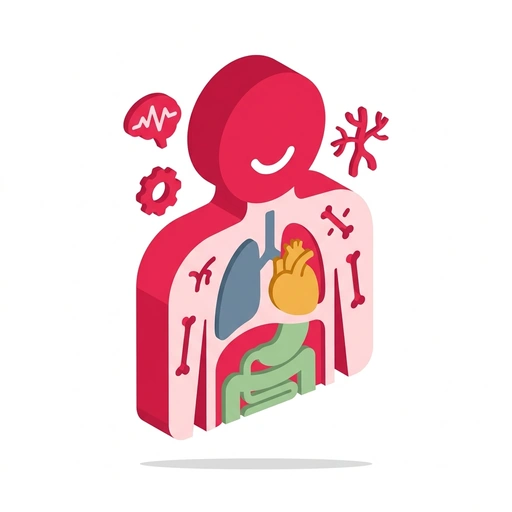
How the Human Body Works
Explore how your body operates as an interconnected system of pumps, levers, sensors, and chemical messengers. Discover the real mechanics behind everyday sensations like fatigue, reflexes, and appetite. Build a working mental model of how your organs team up to keep you alive and moving.
Start How the Human Body Works today.
Download Tomo, search How the Human Body Works, and play your first lesson in under a minute.