
Reading Uzbek Cyrillic
Navigate the streets of Tashkent and Samarkand with ease. Learn to decode signs, menus, and labels by mastering the Cyrillic alphabet as it is used in Uzbekistan.
Like Duolingo, but for Reading Uzbek Cyrillic. Tomo turns the whole topic into a game you play five minutes a day, until it actually sticks.
A short one: 11 levels across 2 sections, about 22 minutes end to end, roughly 4 days at five minutes a day. It moves through The Quick Wins and Decoding the Streets. It starts from scratch.
Free forever · No credit card · iPhone & Android
Key ideas in Reading Uzbek Cyrillic
- Letters like A, K, M, O, and T are 'true friends' across both alphabets
- Some Cyrillic letters like P and B are 'false friends' that look familiar but sound different
- Identifying Cyrillic letters that share both shape and sound with Latin letters
- Anchor letters provide the phonetic skeleton of a word
- Recognizing K and T allows a learner to bridge the gap to the middle vowel
- Using anchor letters to identify the structure of a word
- International loanwords use the same 'anchor' letters as English
- Cyrillic lowercase letters are typically 'small capitals'
- Identifying Cyrillic letters that share both shape and sound
- Context clues from familiar shapes reveal the meaning of common terms
- Cyrillic 'А' vs 'а' maintains the same geometry
- The Cyrillic 'В' corresponds to the English 'V' sound
- The Cyrillic 'Н' represents the 'N' sound
- Reading international loanwords using familiar Cyrillic shapes
- The visual 'B' shape is a false friend for English speakers
- The English 'H' sound is represented by a different character entirely
You've tried the other tabs
Thirty open tabs. Four facts you actually kept.
You watched. You nodded. By Sunday it was gone.
One answer, then back to scrolling.
Eight weeks. You meant to finish. You didn't.
Tomo gives Reading Uzbek Cyrillic the Duolingo treatment: levels, streaks, and quick quizzes that test what you just learned. That game loop is what the tabs above never had, so it's the one you actually finish.
Here's what playing it feels like
A real question from this course. Take your best guess.
In the Cyrillic alphabet, why are the letters 'P' and 'B' considered 'false friends'?
Get it right to open this lesson and 10 more in the app.
Where Reading Uzbek Cyrillic takes you
- 1
The Quick Wins
- The Familiar Faces
- The Deceptive Lookalikes
- 2
Decoding the Streets
- The New Shapes
- The Uzbek Specials
2 sections · 4 units · 11 levels. Built to play, not to enroll.
You pick the voice
Reading Uzbek Cyrillic is taught in the The Professor style: clear, structured, thorough. Want a different feel? In the app you can spin up the same topic in any of Tomo's teaching styles. Same facts, totally different vibe.
More Language on Tomo
The Senior English Toolkit
Bridge the gap between reading for class and writing with real authority. Learn to decode complex texts and build arguments that actually change minds.

The Secret Power of OK
Discover how an intentional 19th-century spelling joke became humanity's most spoken word. Master the subtle conversational signals of modern OKs and uncover the history behind our universal shorthand.
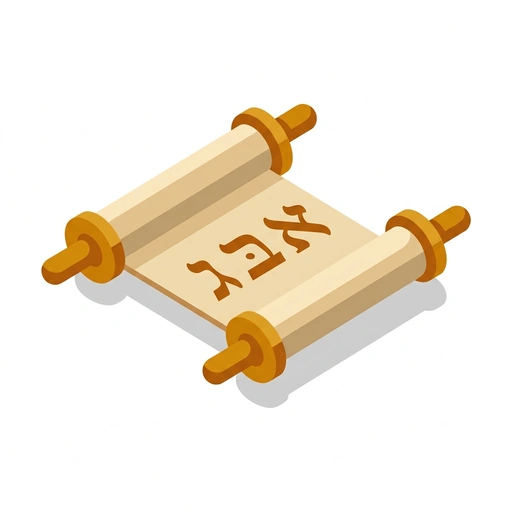
Reading Biblical Hebrew
Learn to decode the ancient script of the Old Testament. Master the alphabet, vowel markings, and glued-together prefixes to sound out original scripture verse by verse.
Hiragana in the Wild
Move beyond the alphabet chart and start reading Japan. Learn to decode real-world signs, master natural pronunciation, and understand how these curvy characters change meaning in everyday life.

Living the Japanese Life
Move beyond basic greetings and textbook history to navigate real-world Japan with confidence. Learn to handle social nuances, read the unspoken atmosphere, and understand the modern culture that shapes daily life.
Reading Without Sounding Out
Learn to recognize the most common words instantly so you can stop struggling with phonics and start enjoying real stories. Master the 'tricky' words that don't follow the rules.
Start Reading Uzbek Cyrillic today.
Download Tomo, search Reading Uzbek Cyrillic, and play your first lesson in under a minute.