
Aviation from Cabin to Cockpit
Build real-world aviation literacy whether you are sitting in the cabin or preparing for the pilot's seat. Learn how aircraft fly, decode turbulence and flight operations, and discover the practical path to general aviation.
Like Duolingo, but for Aviation from Cabin to Cockpit. Tomo turns the whole topic into a game you play five minutes a day, until it actually sticks.
A deep dive: 41 levels across 5 sections, about 82 minutes end to end, roughly 16 days at five minutes a day. It moves through Demystifying Your Time in the Air, The Safety Web: Redundancy and Air Traffic, How the Machine Actually Flies, The Weather and the Sky, and Taking to the Air Yourself. It starts from scratch.
Free forever · No credit card · iPhone & Android
Key ideas in Aviation from Cabin to Cockpit
- Airliners take off using high thrust settings to lift off quickly and clear obstacles near the ground
- Shortly after liftoff (typically around 1,000 feet), pilots dial engine power back to climb thrust to reduce engine wear and noise
- This intentional thrust reduction causes an audible drop in engine pitch and a slight settling sensation, not an engine failure
- Airliners have separate hydraulic systems that operate flight controls, doors, and gear
- A device called a power transfer unit (PTU) automatically cycles on to balance pressure between these systems without mixing fluid
- The cycling of this unit creates a distinctive, repeating groaning or barking sound commonly heard around engine start and taxi
- Modern aircraft wings are engineered to be flexible rather than completely rigid
- As lift pushes upward along the wings, the tips flex upward by several feet, cushioning turbulence and redistributing structural loads
- Wing flex protects the aircraft's structure from snapping under turbulent gusts
- Extending the landing gear drops massive wheels into 150+ mph airflow, creating noticeable drag noise and physical thuds
- Extending large trailing-edge flaps creates turbulent airflow that shakes against the fuselage as a gentle low rumble
- In a coordinated turn, the aircraft rolls sideways while maintaining its altitude
- Centrifugal force combines with gravity to tilt the direction of force your body feels, confusing the fluid in your inner ear
- Your balance system misinterprets this change in force direction as dropping downward even when the jet is holding perfectly level altitude
- Air behaves like a fluid, forming moving currents and waves rather than standing still
- Aircraft are designed and certified to absorb the bumps of choppy air just as boats are built to handle waves
You've tried the other tabs
Thirty open tabs. Four facts you actually kept.
You watched. You nodded. By Sunday it was gone.
One answer, then back to scrolling.
Eight weeks. You meant to finish. You didn't.
Tomo gives Aviation from Cabin to Cockpit the Duolingo treatment: levels, streaks, and quick quizzes that test what you just learned. That game loop is what the tabs above never had, so it's the one you actually finish.
Here's what playing it feels like
A real question from this course. Take your best guess.
Why do pilots turn the engines down to climb thrust shortly after liftoff?
Get it right to open this lesson and 40 more in the app.
How to learn Aviation from Cabin to Cockpit, step by step
Go in order. 41 short levels across 5 sections, about 1 hour 22 minutes in all, five minutes a day.
- 1
Demystifying Your Time in the Air
- What You Are Actually Hearing and Feeling
- Navigating Turbulence Without Fear
- Beating Delays and Route Disruptions
- 2
The Safety Web: Redundancy and Air Traffic
- How Modern Aircraft Prevent Single Failures
- Air Traffic Control and Spacing in the Sky
- 3
How the Machine Actually Flies
- The Four Forces: How Planes Stay Up
- Wing Controls and Lift Devices
- Engines: Converting Fuel to Forward Motion
- 4
The Weather and the Sky
- Reading Weather Like an Aviator
- Flying by Gauges: Instruments and Zero Visibility
- 5
Taking to the Air Yourself
- The Practical Path to a Pilot's License
- Personal Aviation: Real Costs, Aircraft, and Family Travel
5 sections · 12 units · 41 levels. Built to play, not to enroll.
Questions about Aviation from Cabin to Cockpit
How do I learn Aviation from Cabin to Cockpit?
Go in order: start with Demystifying Your Time in the Air, then The Safety Web: Redundancy and Air Traffic, then How the Machine Actually Flies, then The Weather and the Sky, and 1 more section after that. On Tomo that's 41 short levels, about 1 hour 22 minutes in all, played five minutes a day. Start free and play the first level in under a minute.
Is there a Duolingo-style app for Aviation from Cabin to Cockpit?
Yes. Tomo works like Duolingo: short daily lessons, streaks and quick quizzes. Aviation from Cabin to Cockpit is one of its free courses, and you can type any other topic to get a course of your own.
Is the Aviation from Cabin to Cockpit course free?
Yes. Aviation from Cabin to Cockpit is playable on Tomo's free plan, which doesn't expire. No credit card, no waitlist. Download the app and start your first lesson.
How long does it take to learn Aviation from Cabin to Cockpit?
41 levels across 5 sections, about 1 hour 22 minutes of play in total. It's built for five minutes a day, so you finish it a little at a time instead of all at once.
Do I need any background to start Aviation from Cabin to Cockpit?
No. It's pitched at a beginner level, so it starts where you are and builds up. If you can tap a phone, you can start.
Tomo is in ChatGPT
Tomo is also a ChatGPT plugin: the same playable courses, built and played inside your chat.
Add Tomo to ChatGPT- What to ask
- “Make me a Tomo course on black holes.” “Turn this chat into a Tomo course.”
- What you get
- Quick questions with instant feedback, hearts and stars, ready to play in about a minute.
- Where it goes
- No sign-up to start. Connect your Tomo account and your streak carries on in the app.
You pick the voice
Aviation from Cabin to Cockpit is taught in the Explain Like I'm 5 style: no big words. promise.. Want a different feel? In the app you can spin up the same topic in any of Tomo's teaching styles. Same facts, totally different vibe.
More Technology on Tomo
Take the Captain's Seat
Stop dreaming about the clouds and start navigating them. Learn how to handle the controls, talk to the tower, and master the art of a perfect landing.
How Airplanes Fly
Discover the real-world mechanics of flight, from lift and cockpit controls to navigating desert weather and high-density air traffic. Learn how pilots manage turbulence, execute precision landings, and keep the skies safe through iconic stories from global aviation and Saudi Arabia's flying history.
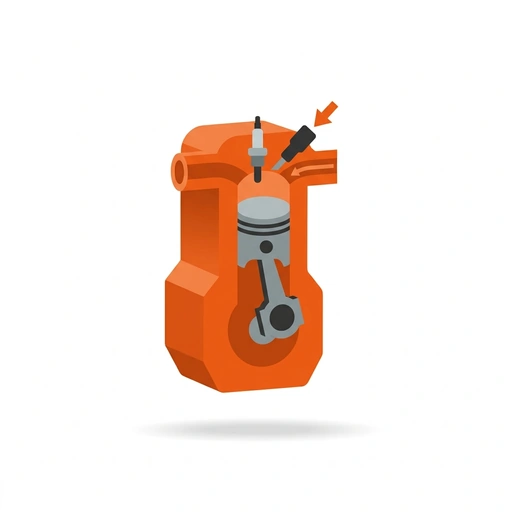
How Diesel Engines Work
Discover the rugged engineering behind the world's hardest-working engines. Learn how extreme compression replaces spark plugs, how heavy-duty parts handle violent force, and how fuel and air create legendary pulling power.
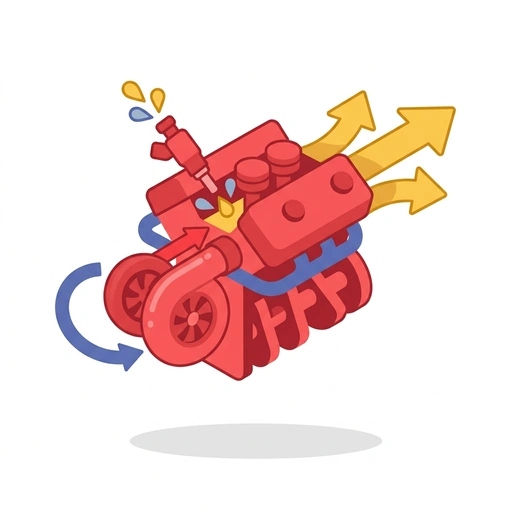
How Car Engines and Turbos Work
Discover how tiny drops of gasoline create explosive forward motion. Trace the path from piston stroke to crankshaft spin, then see how a turbocharger harvests exhaust to unlock effortless speed.
Aviation Disasters and Modern Safety
Discover how historic aviation incidents reshaped global flight safety, from cockpit communication breakdowns to forensic mechanical investigations. Learn the hard-won engineering and human lessons that protect modern airliners and inspired Formula 1 safety culture.
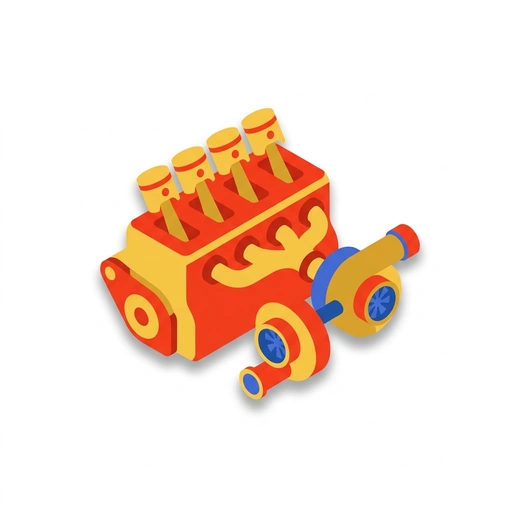
How Engines and Turbos Work
Discover how cars turn droplets of fuel and gulps of air into rotational wheel power. Follow the path of combustion through pistons and crankshafts, then see how turbochargers harvest waste exhaust to create effortless boost.
Start Aviation from Cabin to Cockpit today.
Download Tomo, search Aviation from Cabin to Cockpit, and play your first lesson in under a minute.