
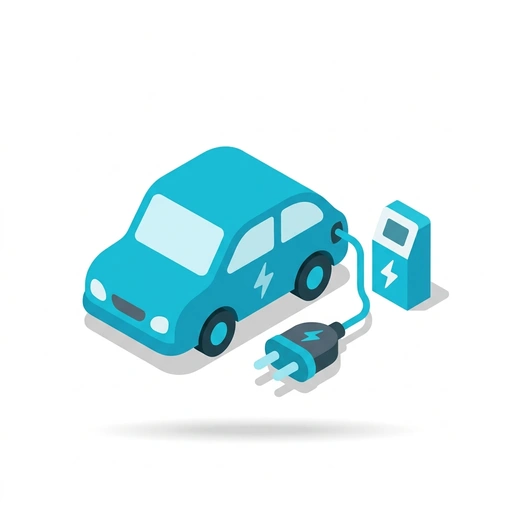
How Electric Cars Work
Discover what really happens beneath the floorboards of an electric vehicle. Learn how battery packs, electric motors, and smart electronics replace centuries of traditional engine mechanics.
Like Duolingo, but for How Electric Cars Work. Tomo turns the whole topic into a game you play five minutes a day, until it actually sticks.
A short one: 12 levels across 2 sections, about 24 minutes end to end, roughly 5 days at five minutes a day. It moves through Behind the Wheel: The Drive Experience and Under the Floor: Energy and Charging. It starts from scratch.
Free forever · No credit card · iPhone & Android
Key ideas in How Electric Cars Work
- An electric motor creates motion immediately using magnetic force as soon as power is sent to it
- Unlike a gas engine, an electric motor stops completely when the car stops, requiring no idle speed or warm-up cycle to stay ready
- Electric motors deliver maximum torque immediately from zero revolutions per minute
- A gas car must build up engine RPM before reaching its strongest pulling power, creating a brief delay before full acceleration
- Gas engines only operate efficiently within a narrow range of roughly 1,000 to 6,000 RPM, requiring multiple gears to keep them in that zone
- Electric motors run smoothly and efficiently across a vast RPM range (often 0 to nearly 20,000 RPM), allowing a single-speed gearbox to handle both parking lot crawls and highway speeds
- Reversing an electric motor simply involves reversing the electrical current sequence driving the electromagnets
- Because the motor itself spins backward easily, electric cars do not need a dedicated reverse gear or clutch
- An electric drivetrain contains roughly 20 moving parts compared to over 2,000 in a combustion engine and transmission
- Fewer rubbing metal parts means dramatically reduced mechanical friction and wear
- Electric motors do not require engine oil, spark plugs, or timing belts
- Easing off the accelerator in an electric car switches the electric motor into a generator
- Generating electricity creates mechanical resistance that slows the car down without touching the brake pedal
- Electric cars do not need to apply friction brake pads for everyday gentle deceleration
- Traditional gas cars waste moving energy by turning it into heat at the brake pads
- Electric cars capture kinetic energy during deceleration and send it back to the battery as electricity
You've tried the other tabs
Thirty open tabs. Four facts you actually kept.
You watched. You nodded. By Sunday it was gone.
One answer, then back to scrolling.
Eight weeks. You meant to finish. You didn't.
Tomo gives How Electric Cars Work the Duolingo treatment: levels, streaks, and quick quizzes that test what you just learned. That game loop is what the tabs above never had, so it's the one you actually finish.
Here's what playing it feels like
A real question from this course. Take your best guess.
When does an electric motor give you its strongest pulling power (torque)?
Get it right to open this lesson and 11 more in the app.
How to learn How Electric Cars Work, step by step
Go in order. 12 short levels across 2 sections, about 24 minutes in all, five minutes a day.
- 1
Behind the Wheel: The Drive Experience
- Instant Power: How the Motor Drives the Wheels
- Slowing Down to Recharge: Regenerative Braking
- 2
Under the Floor: Energy and Charging
- The Skateboard: Batteries and Thermal Control
- From Grid to Battery: Current, Inverters, and Charging
2 sections · 4 units · 12 levels. Built to play, not to enroll.
Questions about How Electric Cars Work
How do I learn How Electric Cars Work?
Go in order: start with Behind the Wheel: The Drive Experience, then Under the Floor: Energy and Charging. On Tomo that's 12 short levels, about 24 minutes in all, played five minutes a day. Start free and play the first level in under a minute.
Is there a Duolingo-style app for How Electric Cars Work?
Yes. Tomo works like Duolingo: short daily lessons, streaks and quick quizzes. How Electric Cars Work is one of its free courses, and you can type any other topic to get a course of your own.
Is the How Electric Cars Work course free?
Yes. How Electric Cars Work is playable on Tomo's free plan, which doesn't expire. No credit card, no waitlist. Download the app and start your first lesson.
How long does it take to learn How Electric Cars Work?
12 levels across 2 sections, about 24 minutes of play in total. It's built for five minutes a day, so you finish it a little at a time instead of all at once.
Do I need any background to start How Electric Cars Work?
No. It's pitched at a beginner level, so it starts where you are and builds up. If you can tap a phone, you can start.
Tomo is in ChatGPT
Tomo is also a ChatGPT plugin: the same playable courses, built and played inside your chat.
Add Tomo to ChatGPT- What to ask
- “Make me a Tomo course on black holes.” “Turn this chat into a Tomo course.”
- What you get
- Quick questions with instant feedback, hearts and stars, ready to play in about a minute.
- Where it goes
- No sign-up to start. Connect your Tomo account and your streak carries on in the app.
You pick the voice
How Electric Cars Work is taught in the Explain Like I'm 5 style: no big words. promise.. Want a different feel? In the app you can spin up the same topic in any of Tomo's teaching styles. Same facts, totally different vibe.
More Technology on Tomo
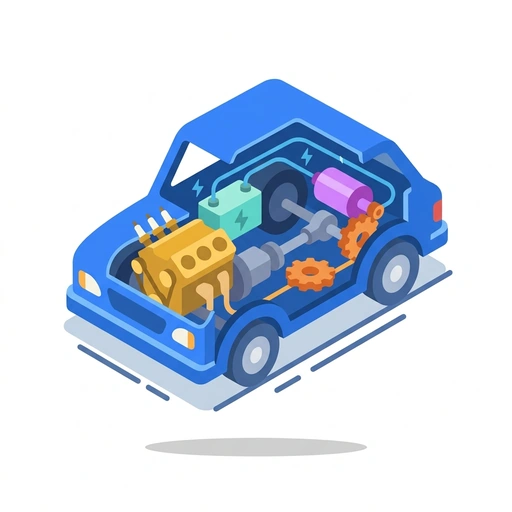
How Cars Work
Discover what happens beneath the metal when you press the pedal, turn the wheel, or charge up. Explore the mechanical gears, electric powertrains, and computer reflexes that move modern automobiles.
How Diesel-Electric Locomotives Work
Discover why heavy freight locomotives are actually electric vehicles in disguise. Learn how onboard generators, wheel traction physics, and multi-unit controls pull thousands of tons of cargo.
How Cars Work
Demystify what happens beneath the hood and behind the dashboard. Learn how engines, transmissions, and brakes operate, how to spot warning signs before they become costly breakdowns, and how to make confident decisions as an owner.
How Electric Circuits Work
Learn how electricity moves through everyday devices and gain the confidence to build your own circuits. From breadboarding components to debugging with a multimeter, discover the practical rules that bring hardware to life.
How Circuits Work
Understand the unseen flow of electricity by building real, working circuits. Learn to light components, route power on a breadboard, and automate behavior with switches and transistors.
How Everyday Mechanisms Work
Discover the hidden mechanical tricks inside everyday tools and machines. Learn how levers, gears, linkages, and springs trade effort for distance to make heavy work effortless.
Start How Electric Cars Work today.
Download Tomo, search How Electric Cars Work, and play your first lesson in under a minute.