
How Nurses Think
Step into the fast-paced world of bedside care and discover how nurses assess emergencies, prioritize chaotic shifts, and protect patients. Learn the subtle observation skills and decision frameworks that save lives before monitors ever sound an alarm.
Like Duolingo, but for How Nurses Think. Tomo turns the whole topic into a game you play five minutes a day, until it actually sticks.
A short one: 11 levels across 2 sections, about 22 minutes end to end, roughly 4 days at five minutes a day. It moves through Seeing the Patient and Intervention and Advocacy. It starts from scratch.
Free forever · No credit card · iPhone & Android
Key ideas in How Nurses Think
- Bedside safety begins with scanning lines, tubes, and cords to prevent accidental dislodgement or trip hazards before touching the patient
- Beds left high or unlocked create severe fall risks during unassisted transfers
- Drainage bags placed directly on the floor break infection control barriers and invite contamination
- Accessory muscle use (like tensing neck or shoulder muscles) and tripod posturing show extreme physical effort to move air
- Skin color changes like ashen, pale, or bluish tones around the lips indicate failing oxygenation and perfusion
- A nurse can assess airway patency, respiratory effort, and perfusion within seconds simply by watching and listening before touching any equipment
- A vital sign within standard population norms can still represent acute clinical decompensation if it diverges sharply from that individual's baseline
- Trends and personal normal values determine urgency more accurately than textbook averages alone
- Physical objects in the room reveal what the patient could or could not accomplish without assistance
- Untouched food or drinks often flag subtle neurological, motor, or cognitive decline that patients rarely report aloud
- Evidence of unassisted movement (like used equipment far from bed) signals an immediate risk of wandering or falling
- A sudden, acute change in mental status points to immediate physiological danger such as severe hypoxia or infection
- Patients with chronic, longstanding conditions may have abnormal baselines but remain stable
- Acute physiological changes must always be prioritized over baseline, chronic instability during nursing rounds
- Airway and oxygenation take absolute priority over circulatory, routine, and comfort interventions
- Assessing and supporting hemodynamics like blood pressure comes immediately after ensuring adequate oxygenation
You've tried the other tabs
Thirty open tabs. Four facts you actually kept.
You watched. You nodded. By Sunday it was gone.
One answer, then back to scrolling.
Eight weeks. You meant to finish. You didn't.
Tomo gives How Nurses Think the Duolingo treatment: levels, streaks, and quick quizzes that test what you just learned. That game loop is what the tabs above never had, so it's the one you actually finish.
Here's what playing it feels like
A real question from this course. Take your best guess.
Why is it dangerous to leave a hospital bed raised high with the wheel brakes unlocked?
Get it right to open this lesson and 10 more in the app.
Where How Nurses Think takes you
- 1
Seeing the Patient
- The 60-Second Bedside Sweep
- Triage and Prioritization Under Pressure
- 2
Intervention and Advocacy
- Catching Subtle Clinical Deterioration
- Clear Communication and Patient Advocacy
2 sections · 4 units · 11 levels. Built to play, not to enroll.
Tomo is in ChatGPT
Tomo is also a ChatGPT plugin: the same playable courses, built and played inside your chat.
Add Tomo to ChatGPT- What to ask
- “Make me a Tomo course on black holes.” “Turn this chat into a Tomo course.”
- What you get
- Quick questions with instant feedback, hearts and stars, ready to play in about a minute.
- Where it goes
- No sign-up to start. Connect your Tomo account and your streak carries on in the app.
You pick the voice
How Nurses Think is taught in the Professor style: clear, structured, thorough. Want a different feel? In the app you can spin up the same topic in any of Tomo's teaching styles. Same facts, totally different vibe.
More Health on Tomo
Thinking Like a Nurse
Step into the clinical mindset that spots invisible dangers, decodes subtle physical cues, and protects vulnerable patients. Learn how nurses read vital signs in context, communicate in high-stakes environments, and intervene before small shifts become critical emergencies.
Clinical Versatility in Nursing
Develop the cross-specialty clinical judgment needed to adapt across inpatient units, excel in clinical rotations, and pass licensure exams. Master multi-patient prioritization, early decompensation cues, high-alert pharmacotherapy, and legal delegation.
Essentials of Nursing Practice
Develop the foundational clinical skills, assessment techniques, and safety protocols essential for modern nursing. Learn how to monitor vital signs, perform head-to-toe evaluations, safely administer medications, and prioritize care under pressure.
Medical Terminology for Nurses
Decode the language of healthcare with confidence. Learn to break down complex medical terms, navigate patient charts, and communicate clearly during shift handoffs.
Medical Terminology at the Bedside
Decode the rapid-fire language of nursing charts, shift handovers, and physician orders. Learn to break down complex medical terms on sight, pinpoint anatomical locations, and interpret critical patient vitals with confidence.
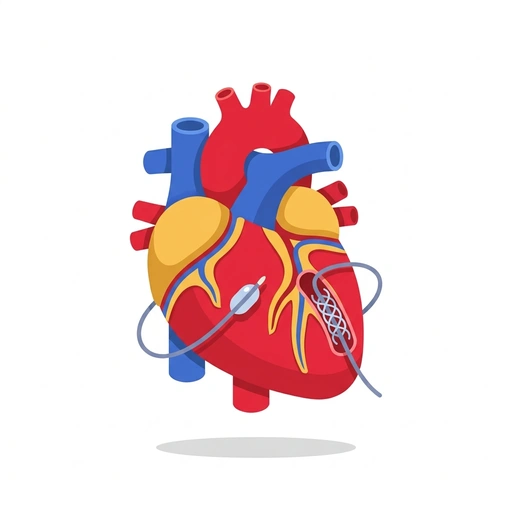
Clinical Cardiology and Procedures
Bridge the gap between cardiac physiology and clinical intervention. Learn how cardiologists decode diagnostic tests, make high-stakes procedural decisions in the cath lab, and deploy targeted therapies for structural and electrical heart disease.
Start How Nurses Think today.
Download Tomo, search How Nurses Think, and play your first lesson in under a minute.