
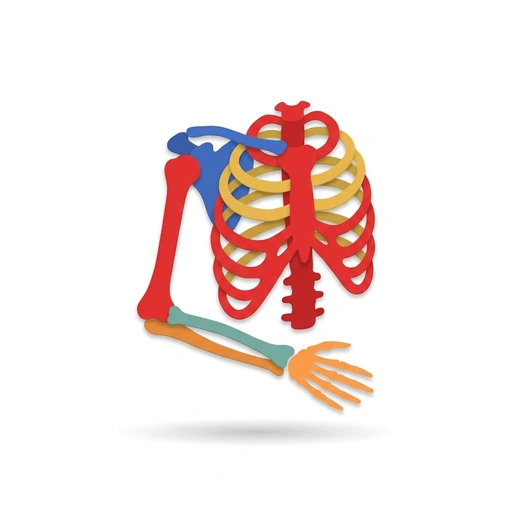
How the Human Body Is Built
Discover the physical architecture that keeps you moving, breathing, and alive. From the mechanical levers of your skeleton to the internal plumbing of your organs, learn to read the map of your own body with clarity and confidence.
Like Duolingo, but for How the Human Body Is Built. Tomo turns the whole topic into a game you play five minutes a day, until it actually sticks.
23 levels across 3 sections, about 46 minutes end to end, roughly 9 days at five minutes a day. It moves through Mapping the Moving Body; The Internal Life-Support Systems; and Control, Defense, and Communication. It starts from scratch.
Free forever · No credit card · iPhone & Android
Key ideas in How the Human Body Is Built
- Anatomical directions always refer to a neutral standing pose with palms facing forward, regardless of how the person is sitting or moving
- 'Distal' means further down a limb toward the fingers or toes, while 'proximal' means closer to where the limb attaches to the torso
- Changing your posture (such as bending an arm or raising a leg) does not change whether a point on a limb is proximal or distal
- The body encloses delicate vital organs inside sealed, protective spaces called cavities rather than letting them float freely among moving muscles
- The skull and vertebral column form rigid, bony enclosures for the central nervous system
- The ribs wall off the chest cavity (thoracic cavity), while the flexible abdominal wall supports the digestive tract
- Bones that sit directly under the skin (like collarbones, hip crests, and spinal vertebrae bumps) provide firm, unmoving landmarks to pinpoint softer organs beneath
- Muscles like the diaphragm and soft viscera like the liver sit deep under or behind bone and cannot be felt directly as firm surface landmarks
- Medical practitioners use these hard surface edges to gauge where ribs begin, where pulses lie, or where to listen to the chest
- The body exhibits external bilateral symmetry (limbs, eyes, and ears mirror each other across the midline)
- Deep visceral organs do not mirror each other: the bulk of the liver sits on the right side, while the stomach and spleen sit on the left
- Even paired organs inside, like the lungs, differ slightly in size and shape to fit around asymmetrical organs like the heart
- Bone is living tissue that constantly breaks down and rebuilds its mineral structure
- Placing mechanical load or physical stress on a bone stimulates it to lay down extra mineral density
- A lack of physical stress or weight-bearing causes bone tissue to reabsorb minerals and thin out
- The axial skeleton forms the central axis of the body—skull, spine, and ribs—dedicated to shielding the brain, spinal cord, and thoracic organs
You've tried the other tabs
Thirty open tabs. Four facts you actually kept.
You watched. You nodded. By Sunday it was gone.
One answer, then back to scrolling.
Eight weeks. You meant to finish. You didn't.
Tomo gives How the Human Body Is Built the Duolingo treatment: levels, streaks, and quick quizzes that test what you just learned. That game loop is what the tabs above never had, so it's the one you actually finish.
Here's what playing it feels like
A real question from this course. Take your best guess.
When describing a limb, which word means further down toward your fingers or toes?
Get it right to open this lesson and 22 more in the app.
Where How the Human Body Is Built takes you
- 1
Mapping the Moving Body
- Orienting on the Body Map
- Bones and Joint Mechanics
- Muscles and Movement
- 2
The Internal Life-Support Systems
- The Heart and Blood Highway
- Digestion and Waste Filtration
- 3
Control, Defense, and Communication
- The Nervous Wiring
- The Immune Shield and Hormonal Controls
3 sections · 7 units · 23 levels. Built to play, not to enroll.
Tomo is in ChatGPT
Tomo is also a ChatGPT plugin: the same playable courses, built and played inside your chat.
Add Tomo to ChatGPT- What to ask
- “Make me a Tomo course on black holes.” “Turn this chat into a Tomo course.”
- What you get
- Quick questions with instant feedback, hearts and stars, ready to play in about a minute.
- Where it goes
- No sign-up to start. Connect your Tomo account and your streak carries on in the app.
You pick the voice
How the Human Body Is Built is taught in the Professor style: clear, structured, thorough. Want a different feel? In the app you can spin up the same topic in any of Tomo's teaching styles. Same facts, totally different vibe.
More Science on Tomo
Anatomy of the Human Body
Discover how your bones, muscles, and internal systems coordinate every breath and step. Understand the physical machinery that powers daily movement, circulation, and sensation.
Human Anatomy: The Working Body
Explore how the human body is engineered from surface landmarks to internal organ systems. Learn the functional architecture behind every movement, heartbeat, and nerve reflex using clear, practical mental models. Build a lasting spatial understanding of how your bones, muscles, and organs fit and work together.
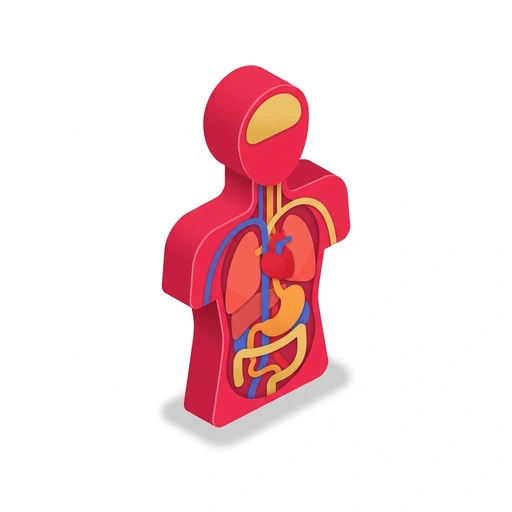
How the Human Body Works
Discover the incredible machinery of human anatomy and physiology. Learn how your bones, muscles, nerves, and organs work together in real time to keep you moving, thinking, and alive.
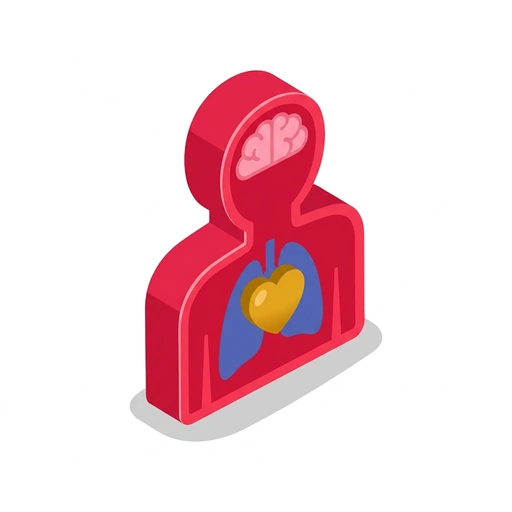
How the Human Body Works
Discover how your body coordinates movement, fuels your cells, and keeps you alive. Learn the mechanics behind everyday sensations from your heartbeat to muscle fatigue.
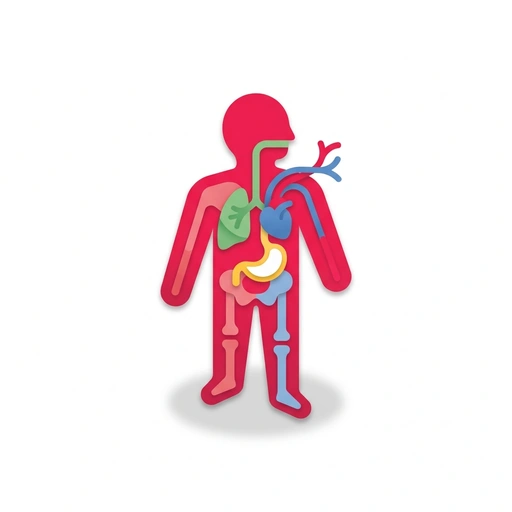
How the Human Body Works
Discover how your organs, tissues, and fluids coordinate every second of the day. Learn the elegant mechanics behind how you move, breathe, fight disease, and stay alive.
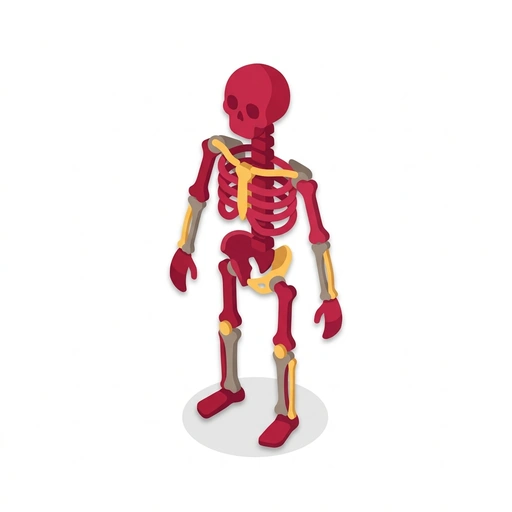
How the Human Body Fits Together
Explore the elegant architecture of your own body from the inside out. Learn how your skeleton, muscles, circulation, and vital organs coordinate to keep you upright, moving, and alive.
Start How the Human Body Is Built today.
Download Tomo, search How the Human Body Is Built, and play your first lesson in under a minute.