
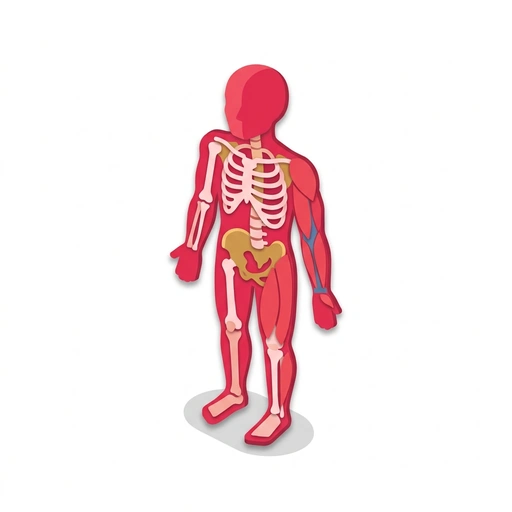
How the Human Body Works
Discover how your body functions as an interconnected living machine. Explore the mechanics of bones and muscles, the heart and lungs' oxygen highway, digestive fuel conversion, and the nervous system's command center.
Like Duolingo, but for How the Human Body Works. Tomo turns the whole topic into a game you play five minutes a day, until it actually sticks.
A short one: 11 levels across 2 sections, about 22 minutes end to end, roughly 4 days at five minutes a day. It moves through The Machine in Motion and Fuel and Command. It starts from scratch.
Free forever · No credit card · iPhone & Android
Key ideas in How the Human Body Works
- Ball-and-socket joints like the shoulder allow wide, multi-directional rotation
- Hinge joints like the elbow restrict movement to bending and straightening along one path
- Fixed joints in the skull lock bones together solidly to prevent any shifting
- Muscle fibers only pull when active; they cannot push bones away
- Straightening a flexed joint requires an opposing muscle on the other side to contract and pull
- The biceps and triceps form an antagonistic pair: biceps bends the elbow, triceps straightens it
- Ligaments lash bone directly to bone to hold a joint stable and prevent overstretching
- Tendons connect muscle to bone so contracting muscles can move the skeleton
- Ankle sprains involve stretching or tearing ligaments, not the tendons pulling the foot
- The axial skeleton forms the body's central vertical axis, housing and protecting the brain, spinal cord, heart, and lungs
- The skull, rib cage, and backbone (spine) make up the axial core
- Limb bones like the femur and humerus belong to the appendicular skeleton, built for movement and reach rather than organ protection
- The right side of the heart receives oxygen-depleted blood from the body and sends it directly to the lungs
- The left side receives fresh, oxygenated blood returning from the lungs and pumps it to the rest of the body
- Blood must visit the lungs to recharge before the heart can redistribute it to working muscles
- Arteries leave the heart under high, pulsing pressure and need thick, muscular walls to absorb the strain
You've tried the other tabs
Thirty open tabs. Four facts you actually kept.
You watched. You nodded. By Sunday it was gone.
One answer, then back to scrolling.
Eight weeks. You meant to finish. You didn't.
Tomo gives How the Human Body Works the Duolingo treatment: levels, streaks, and quick quizzes that test what you just learned. That game loop is what the tabs above never had, so it's the one you actually finish.
Here's what playing it feels like
A real question from this course. Take your best guess.
Your elbow is a hinge joint. What kind of movement does it allow?
Get it right to open this lesson and 10 more in the app.
How to learn How the Human Body Works, step by step
Go in order. 11 short levels across 2 sections, about 22 minutes in all, five minutes a day.
- 1
The Machine in Motion
- Bones, Joints, and Muscles
- Heart, Blood, and Lungs
- 2
Fuel and Command
- The Digestive Pipeline
- The Nervous System Network
2 sections · 4 units · 11 levels. Built to play, not to enroll.
Questions about How the Human Body Works
How do I learn How the Human Body Works?
Go in order: start with The Machine in Motion, then Fuel and Command. On Tomo that's 11 short levels, about 22 minutes in all, played five minutes a day. Start free and play the first level in under a minute.
Is there a Duolingo-style app for How the Human Body Works?
Yes. Tomo works like Duolingo: short daily lessons, streaks and quick quizzes. How the Human Body Works is one of its free courses, and you can type any other topic to get a course of your own.
Is the How the Human Body Works course free?
Yes. How the Human Body Works is playable on Tomo's free plan, which doesn't expire. No credit card, no waitlist. Download the app and start your first lesson.
How long does it take to learn How the Human Body Works?
11 levels across 2 sections, about 22 minutes of play in total. It's built for five minutes a day, so you finish it a little at a time instead of all at once.
Do I need any background to start How the Human Body Works?
No. It's pitched at a beginner level, so it starts where you are and builds up. If you can tap a phone, you can start.
Tomo is in ChatGPT
Tomo is also a ChatGPT plugin: the same playable courses, built and played inside your chat.
Add Tomo to ChatGPT- What to ask
- “Make me a Tomo course on black holes.” “Turn this chat into a Tomo course.”
- What you get
- Quick questions with instant feedback, hearts and stars, ready to play in about a minute.
- Where it goes
- No sign-up to start. Connect your Tomo account and your streak carries on in the app.
You pick the voice
How the Human Body Works is taught in the Professor style: clear, structured, thorough. Want a different feel? In the app you can spin up the same topic in any of Tomo's teaching styles. Same facts, totally different vibe.
More Science on Tomo
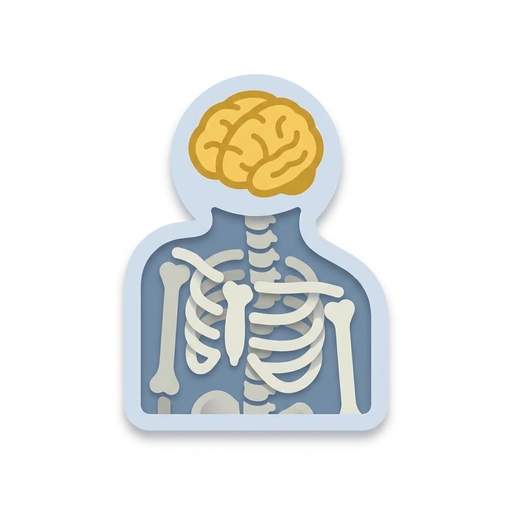
Your Body's Blueprint
Discover the incredible engineering of the human body, from the electrical signals in your brain to the living architecture of your bones.
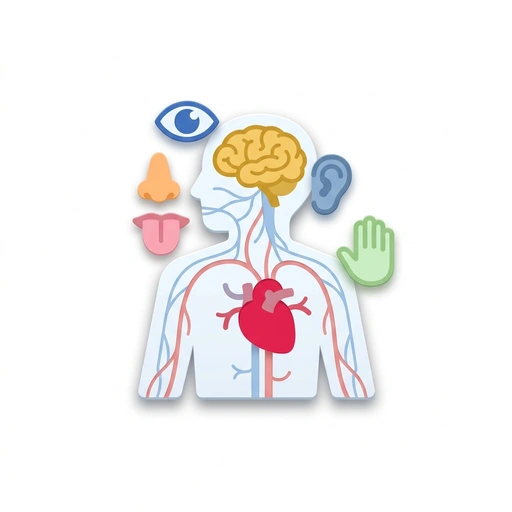
How the Human Body Works
Discover how your senses, muscles, brain, and heart collaborate as an extraordinary living machine. Learn how your body translates the world outside into thought, movement, and life on the inside.
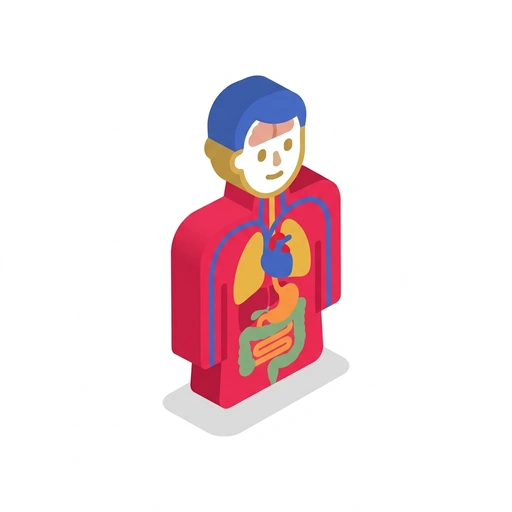
How the Human Body Works
Discover the incredible machinery running beneath your skin every second. Learn how your organs coordinate, why your body produces familiar everyday sensations, and what it takes to keep you moving, thinking, and alive.
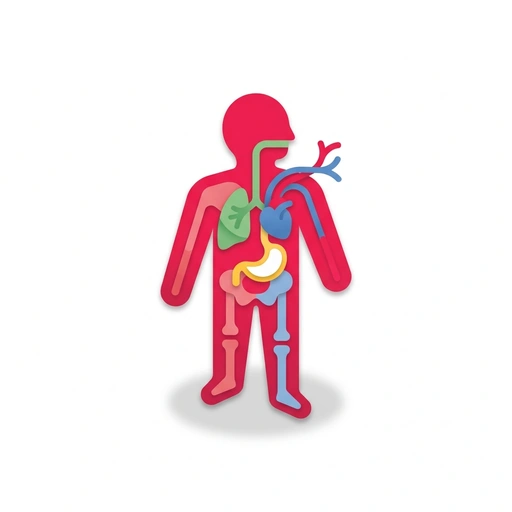
How the Human Body Works
Discover how your organs, tissues, and fluids coordinate every second of the day. Learn the elegant mechanics behind how you move, breathe, fight disease, and stay alive.
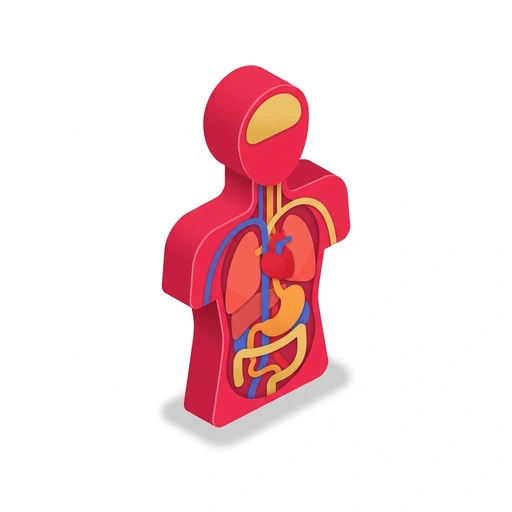
How the Human Body Works
Discover the incredible machinery of human anatomy and physiology. Learn how your bones, muscles, nerves, and organs work together in real time to keep you moving, thinking, and alive.
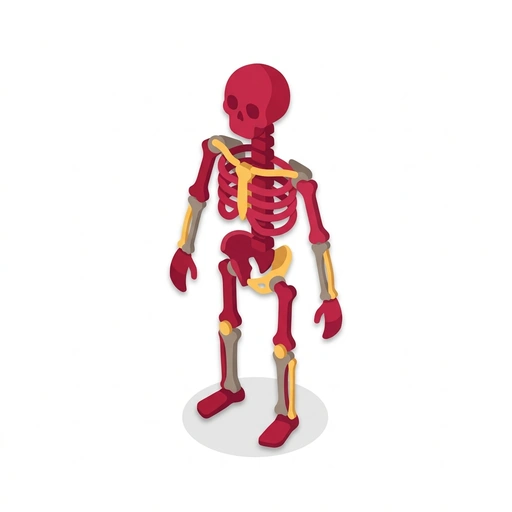
How the Human Body Fits Together
Explore the elegant architecture of your own body from the inside out. Learn how your skeleton, muscles, circulation, and vital organs coordinate to keep you upright, moving, and alive.
Start How the Human Body Works today.
Download Tomo, search How the Human Body Works, and play your first lesson in under a minute.