
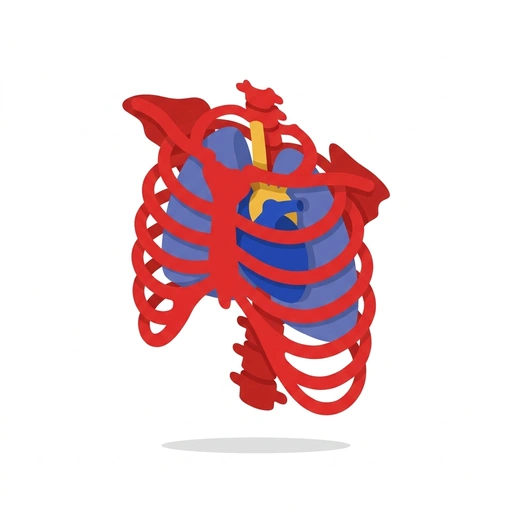
How the Human Body Works
Discover the mechanical and chemical systems keeping you alive every second. Learn how your heart, lungs, muscles, and nerves coordinate in real time to power movement and maintain vital balance.
Like Duolingo, but for How the Human Body Works. Tomo turns the whole topic into a game you play five minutes a day, until it actually sticks.
A short one: 11 levels across 2 sections, about 22 minutes end to end, roughly 4 days at five minutes a day. It moves through Engines of Energy and Movement and Structure and Internal Control. It starts from scratch.
Free forever · No credit card · iPhone & Android
Key ideas in How the Human Body Works
- Vital signs like heart rate, breathing rate, and body temperature naturally fluctuate to match the body's changing metabolic demands
- Homeostasis does not mean flat, unmoving numbers; it is an active balancing act where systems dial up or down depending on activity
- A healthy body adjusts its internal circulation and heat generation dynamically throughout the day
- Exertion causes cells to generate carbon dioxide rapidly as a metabolic byproduct
- Dissolved carbon dioxide forms acid in the blood, which brainstem sensors detect quickly
- Breathing tempo is driven primarily by the need to blow off excess carbon dioxide, long before blood oxygen levels drop significantly
- Sweat cools the body only when liquid water turns into vapor (evaporation), taking heat energy with it
- Blood vessels dilate near the skin surface to deliver warm blood, allowing heat to escape as sweat evaporates
- In high humidity, saturated air slows or stops sweat evaporation, causing sweat to merely drip off without cooling the core
- Fatigue is largely an anticipatory regulation by the central nervous system to protect organs and tissues from catastrophic failure
- The brain reduces motor drive to working muscles while energy stores and cellular reserves are still present
- Exhaustion is an active sensory signal designed to compel rest, rather than a state of literal zero fuel in the muscle cells
- The right side of the heart only pumps blood a short distance to the nearby lungs
- The left side pumps oxygen-rich blood out to every organ and tissue across the entire body
- Overcoming the resistance of the whole body's vascular network requires significantly greater pumping force, building a thicker muscular wall
- Arteries and veins have thick, layered walls built to contain pressure and move blood rapidly, preventing substances from leaking through
You've tried the other tabs
Thirty open tabs. Four facts you actually kept.
You watched. You nodded. By Sunday it was gone.
One answer, then back to scrolling.
Eight weeks. You meant to finish. You didn't.
Tomo gives How the Human Body Works the Duolingo treatment: levels, streaks, and quick quizzes that test what you just learned. That game loop is what the tabs above never had, so it's the one you actually finish.
Here's what playing it feels like
A real question from this course. Take your best guess.
What is the body really doing when it maintains balance, or homeostasis?
Get it right to open this lesson and 10 more in the app.
Where How the Human Body Works takes you
- 1
Engines of Energy and Movement
- Decoding Your Body's Real-Time Signals
- The Oxygen and Fuel Delivery Highway
- 2
Structure and Internal Control
- Bones, Joints, and Muscular Levers
- The Autopilot Maintaining Internal Balance
2 sections · 4 units · 11 levels. Built to play, not to enroll.
Tomo is in ChatGPT
Tomo is also a ChatGPT plugin: the same playable courses, built and played inside your chat.
Add Tomo to ChatGPT- What to ask
- “Make me a Tomo course on black holes.” “Turn this chat into a Tomo course.”
- What you get
- Quick questions with instant feedback, hearts and stars, ready to play in about a minute.
- Where it goes
- No sign-up to start. Connect your Tomo account and your streak carries on in the app.
You pick the voice
How the Human Body Works is taught in the Professor style: clear, structured, thorough. Want a different feel? In the app you can spin up the same topic in any of Tomo's teaching styles. Same facts, totally different vibe.
More Science on Tomo
How the Human Body Works
Understand the living machinery beneath your skin. Discover how your organs collaborate, how muscles generate movement, and how your body regulates itself every second.
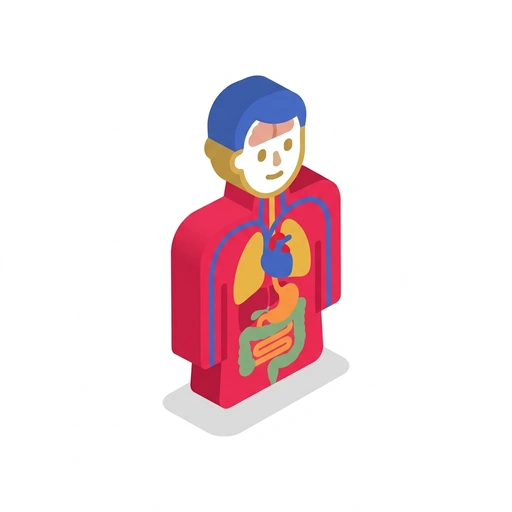
How the Human Body Works
Discover the incredible machinery running beneath your skin every second. Learn how your organs coordinate, why your body produces familiar everyday sensations, and what it takes to keep you moving, thinking, and alive.
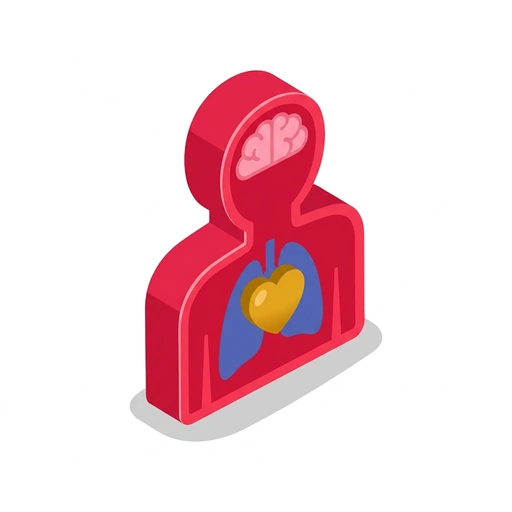
How the Human Body Works
Discover how your body coordinates movement, fuels your cells, and keeps you alive. Learn the mechanics behind everyday sensations from your heartbeat to muscle fatigue.
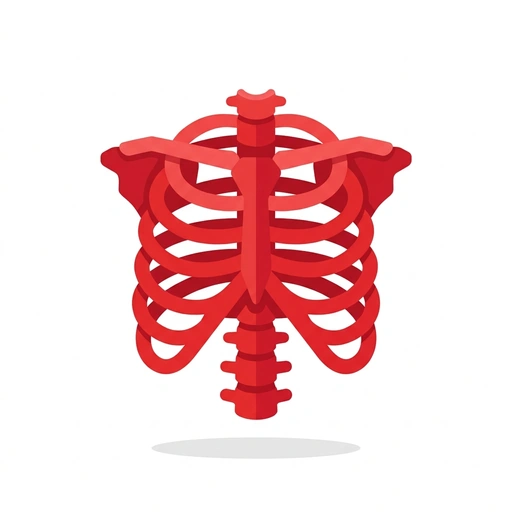
How the Human Body Works
Discover the mechanical and chemical principles that keep your body alive and moving. Learn how organs coordinate behind the scenes, how muscles generate force, and how your system automatically balances itself.
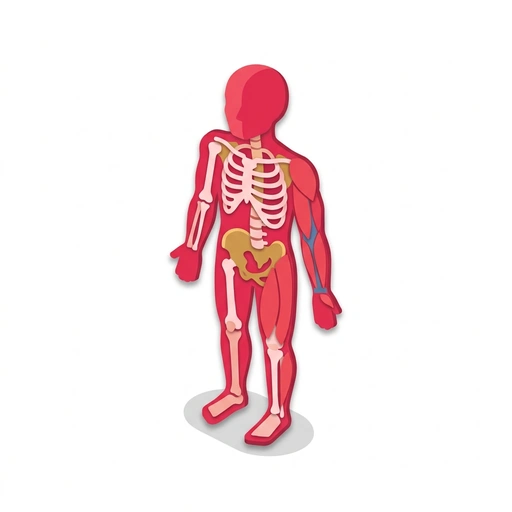
How the Human Body Works
Discover how your body functions as an interconnected living machine. Explore the mechanics of bones and muscles, the heart and lungs' oxygen highway, digestive fuel conversion, and the nervous system's command center.
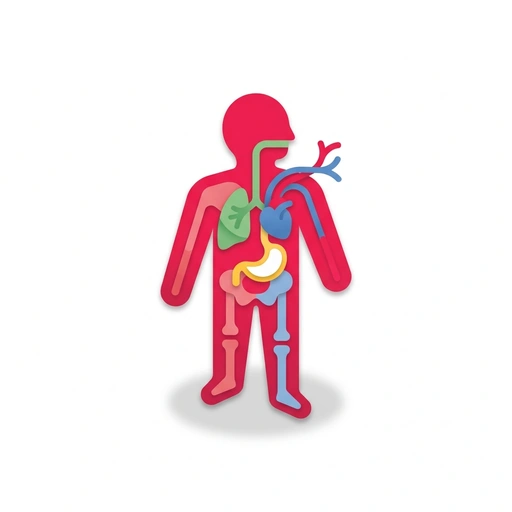
How the Human Body Works
Discover how your organs, tissues, and fluids coordinate every second of the day. Learn the elegant mechanics behind how you move, breathe, fight disease, and stay alive.
Start How the Human Body Works today.
Download Tomo, search How the Human Body Works, and play your first lesson in under a minute.