

Solving Gastrointestinal Cases
Sharpen your diagnostic instincts across common and critical gastrointestinal presentations. Learn how to localize acute bleeds, unmask surgical emergencies, and differentiate inflammatory flares from lookalike disorders using targeted clinical clues.
Like Duolingo, but for Solving Gastrointestinal Cases. Tomo turns the whole topic into a game you play five minutes a day, until it actually sticks.
A short one: 12 levels across 2 sections, about 24 minutes end to end, roughly 5 days at five minutes a day. It moves through Acute Abdominal and Hemorrhagic Emergencies and Diagnostic Dilemmas in Bowel and Biliary Disease. It assumes you already know the basics.
Free forever · No credit card · iPhone & Android

Key ideas in Solving Gastrointestinal Cases
- Brisk upper GI bleeding can present as bright red hematochezia with shock
- Rapid transit of large blood volumes prevents bacterial oxidation into dark melena
- Distal lower GI sources rarely cause acute profound hemodynamic instability alone
- Airway protection and vascular access must precede fluid and blood resuscitation
- Sedating an unstable, hypovolemic patient can precipitate sudden cardiac arrest
- Endoscopic therapy is only safe once intravascular volume is partially restored
- The Glasgow-Blatchford Score uses only clinical vitals and routine blood tests
- A Glasgow-Blatchford score of 0 or 1 identifies patients safe for outpatient care
- Endoscopic findings are incorporated into the Rockall score, not the Blatchford score
- Enzymatic breakdown of digested blood proteins in the small bowel elevates serum urea
- A BUN-to-creatinine ratio above 20 to 1 strongly suggests an upper GI source
- Lower GI bleeding does not allow significant enzymatic digestion or urea reabsorption
- Vasoactive drugs like octreotide reduce splanchnic blood flow and variceal pressure
- Prophylactic antibiotics such as ceftriaxone decrease bacterial infections and mortality
- Intravenous proton pump inhibitors stabilize clot formation across mucosal lesions
- Mesenteric ischemia initially causes mucosal pain without stimulating the parietal peritoneum
You've tried the other tabs
Thirty open tabs. Four facts you actually kept.
You watched. You nodded. By Sunday it was gone.
One answer, then back to scrolling.
Eight weeks. You meant to finish. You didn't.
Tomo gives Solving Gastrointestinal Cases the Duolingo treatment: levels, streaks, and quick quizzes that test what you just learned. That game loop is what the tabs above never had, so it's the one you actually finish.
Here's what playing it feels like
A real question from this course. Take your best guess.
Why does a large, rapid upper GI bleed stay bright red instead of turning into dark melena?
Get it right to open this lesson and 11 more in the app.
How to learn Solving Gastrointestinal Cases, step by step
Go in order. 12 short levels across 2 sections, about 24 minutes in all, five minutes a day.
- 1
Acute Abdominal and Hemorrhagic Emergencies
- Localizing and Stratifying Gastrointestinal Bleeds
- Deconstructing the Acute Surgical Abdomen
- 2
Diagnostic Dilemmas in Bowel and Biliary Disease
- Differentiating Inflammatory Bowel Flares from Mimickers
- Untangling Hepato-Pancreato-Biliary Enigmas
2 sections · 4 units · 12 levels. Built to play, not to enroll.
Questions about Solving Gastrointestinal Cases
How do I learn Solving Gastrointestinal Cases?
Go in order: start with Acute Abdominal and Hemorrhagic Emergencies, then Diagnostic Dilemmas in Bowel and Biliary Disease. On Tomo that's 12 short levels, about 24 minutes in all, played five minutes a day. Start free and play the first level in under a minute.
Is there a Duolingo-style app for Solving Gastrointestinal Cases?
Yes. Tomo works like Duolingo: short daily lessons, streaks and quick quizzes. Solving Gastrointestinal Cases is one of its free courses, and you can type any other topic to get a course of your own.
Is the Solving Gastrointestinal Cases course free?
Yes. Solving Gastrointestinal Cases is playable on Tomo's free plan, which doesn't expire. No credit card, no waitlist. Download the app and start your first lesson.
How long does it take to learn Solving Gastrointestinal Cases?
12 levels across 2 sections, about 24 minutes of play in total. It's built for five minutes a day, so you finish it a little at a time instead of all at once.
Do I need any background to start Solving Gastrointestinal Cases?
No. It's pitched at an intermediate level, so it starts where you are and builds up. If you can tap a phone, you can start.
Tomo is in ChatGPT
Tomo is also a ChatGPT plugin: the same playable courses, built and played inside your chat.
Add Tomo to ChatGPT- What to ask
- “Make me a Tomo course on black holes.” “Turn this chat into a Tomo course.”
- What you get
- Quick questions with instant feedback, hearts and stars, ready to play in about a minute.
- Where it goes
- No sign-up to start. Connect your Tomo account and your streak carries on in the app.
You pick the voice
Solving Gastrointestinal Cases is taught in the Bestie style: your friend who just gets it. Want a different feel? In the app you can spin up the same topic in any of Tomo's teaching styles. Same facts, totally different vibe.
More Health on Tomo

Thinking Through Patient Cases
Learn how clinicians analyze symptoms, spot hidden emergencies, and make sound decisions. Move from reading confusing patient charts to cracking real clinical scenarios with confidence.

Understanding Lupus
Learn to recognize the visible signs, flare patterns, and immune mechanics of Systemic Lupus Erythematosus. Build practical confidence in identifying symptoms, anticipating triggers, and decoding diagnostic clues.

How Medicine Works
Discover the underlying logic of modern healthcare. Learn how clinicians diagnose illness, how medications and surgery alter biology, and how evidence separates real cures from noise.

Clinical Nursing Judgment
Bridge the gap between basic nursing tasks and proactive clinical decision-making. Learn to anticipate patient deterioration, interpret complex diagnostic trends, titrate high-alert therapies, and navigate critical bedside complications with confidence.

Cracking the MRCS Exam
Understand the structure, clinical science, and OSCE strategies behind the Membership of the Royal Colleges of Surgeons examination. Master the high-yield anatomy, acute decision frameworks, and professional skills required to pass.
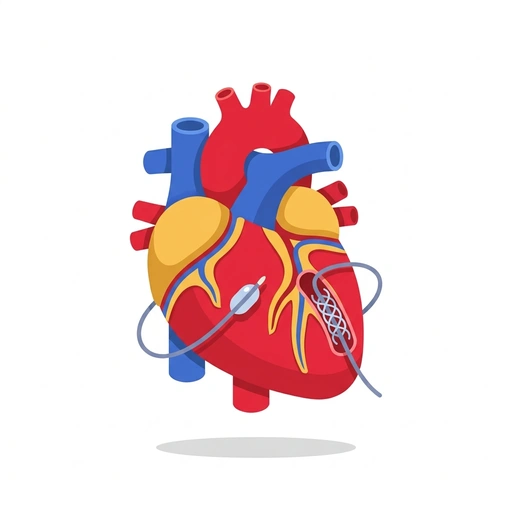
Clinical Cardiology and Procedures
Bridge the gap between cardiac physiology and clinical intervention. Learn how cardiologists decode diagnostic tests, make high-stakes procedural decisions in the cath lab, and deploy targeted therapies for structural and electrical heart disease.
Start Solving Gastrointestinal Cases today.
Download Tomo, search Solving Gastrointestinal Cases, and play your first lesson in under a minute.