

Speaking and Reading Pashto
Learn to speak practical Pashto phrases and read the Pashto script from scratch. Build the confidence to greet locals, shop at bazaars, and understand the distinctive sounds of the language.
Like Duolingo, but for Speaking and Reading Pashto. Tomo turns the whole topic into a game you play five minutes a day, until it actually sticks.
21 levels across 3 sections, about 42 minutes end to end, roughly 8 days at five minutes a day. It moves through First Words and Immediate Payoffs, The Pashto Alphabet and Distinctive Sounds, and Navigating Daily Life and Conversations. It starts from scratch.
Free forever · No credit card · iPhone & Android
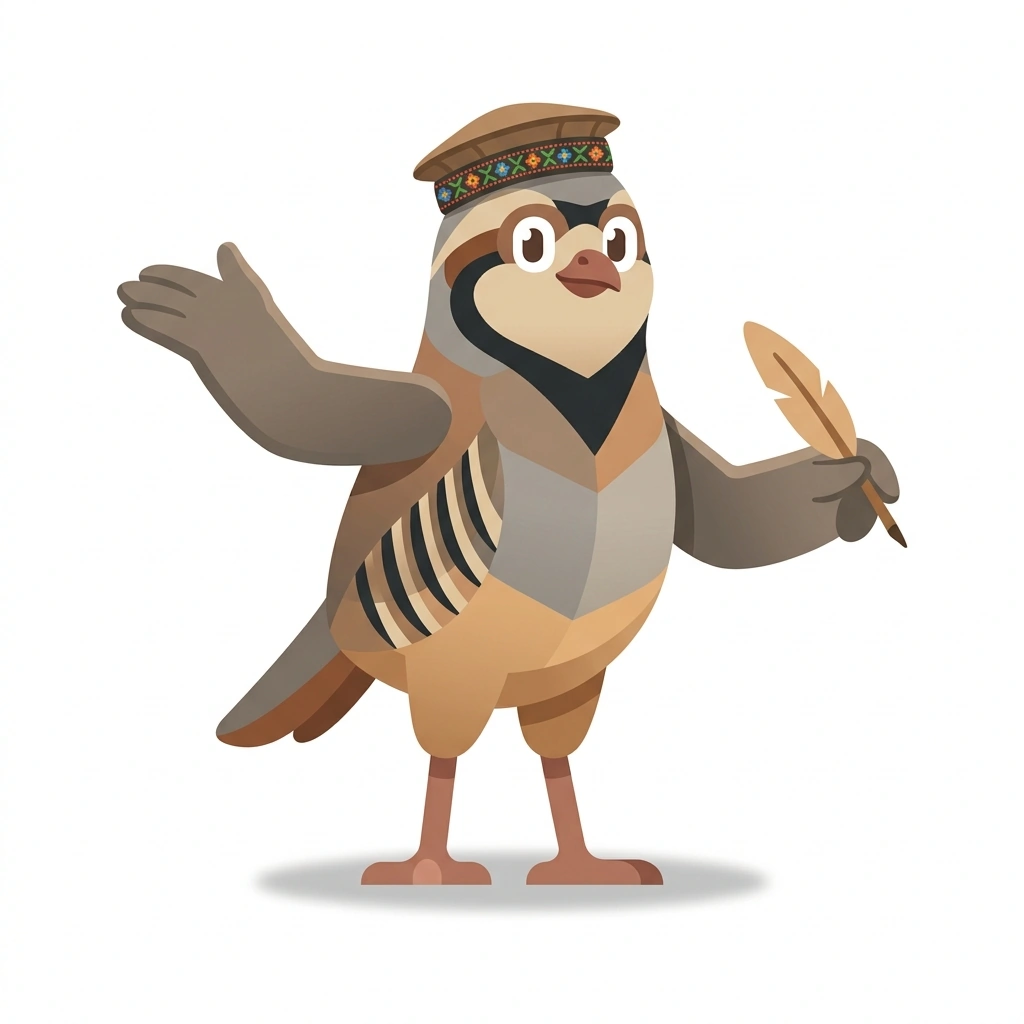
Key ideas in Speaking and Reading Pashto
- 'Salam Alaykum' translates to 'peace be upon you' and initiates the encounter
- 'Wa Alaykum Salam' ('and upon you be peace') is the universal required reply
- 'Sanga ye?' asks 'How are you?'
- 'Kha yam' means 'I am good/well'
- 'Dera manana' expresses gratitude ('Thank you very much')
- 'Pa makha de kha' means 'may your path ahead be good' and is spoken to someone departing
- 'Da khudai pa aman' means 'in God's protection' and works in any parting scenario
- Traditional Pashto greetings involve a rhythmic exchange asking about health, tiredness ('Staray ma she'), and family
- Rushing past the extended greeting is viewed as abrupt or impolite
- 'Wror' means 'brother' and is used to respectfully address male peers or strangers
- 'Khor' means 'sister' and is used respectfully for female peers
- Kinship terms create instant warmth and lower social friction
- 'Na' means 'no' in Pashto, but saying it alone sounds blunt
- Adding polite honorifics or gentle phrasing softens 'Na' into respectful speech
- 'Ho' serves as 'yes' and can similarly be delivered politely
- 'Lutfan' functions as 'please' when asking for something
You've tried the other tabs
Thirty open tabs. Four facts you actually kept.
You watched. You nodded. By Sunday it was gone.
One answer, then back to scrolling.
Eight weeks. You meant to finish. You didn't.
Tomo gives Speaking and Reading Pashto the Duolingo treatment: levels, streaks, and quick quizzes that test what you just learned. That game loop is what the tabs above never had, so it's the one you actually finish.
Here's what playing it feels like
A real question from this course. Take your best guess.
Someone says 'Salam Alaykum' to you. What do you say back to return the greeting?
Get it right to open this lesson and 20 more in the app.
Where Speaking and Reading Pashto takes you
- 1
First Words and Immediate Payoffs
- Meeting and Greeting in Pashto
- Polite Exchanges and Essential Survival Phrases
- 2
The Pashto Alphabet and Distinctive Sounds
- Deciphering the 44-Letter Pashto Script
- Mastering Retroflex Sounds and Dialects
- 3
Navigating Daily Life and Conversations
- Asking Questions and Finding Your Way
- Numbers, Prices, and Market Interactions
- Building Everyday Sentences
3 sections · 7 units · 21 levels. Built to play, not to enroll.
You pick the voice
Speaking and Reading Pashto is taught in the Explain Like I'm 5 style: no big words. promise.. Want a different feel? In the app you can spin up the same topic in any of Tomo's teaching styles. Same facts, totally different vibe.
More Language on Tomo
Speaking Pashto
Unlock the rich language of Afghanistan and northwestern Pakistan. Learn practical everyday conversations, master the unique script and sounds, and understand the cultural codes of hospitality.

Speaking Everyday Shina
Start speaking Shina right away with essential phrases for greetings, bazaar banter, and daily chats in Gilgit-Baltistan. Learn core sentence patterns and natural pronunciation without getting bogged down in heavy grammar.
Everyday Pashto
Learn the conversational core of Pashto through hospitality, greetings, and simple everyday exchanges. Build real confidence in basic social encounters right away.

Speak Pashto from Day One
Start speaking Pashto immediately by focusing on the warm hospitality and social connections at the heart of the culture. Learn to greet, shop, and share a meal with confidence.
Everyday Pashto
Speak and understand Pashto through real-life conversations, essential grammar patterns, and cultural etiquette. Learn to introduce yourself, shop in local bazaars, navigate hospitality customs, and read the unique sounds of the language.
Everyday Spoken Pashto
Learn to speak and understand foundational Pashto through the lens of traditional hospitality. Master essential greetings, key sounds, and basic sentence patterns for natural conversation.
Start Speaking and Reading Pashto today.
Download Tomo, search Speaking and Reading Pashto, and play your first lesson in under a minute.