
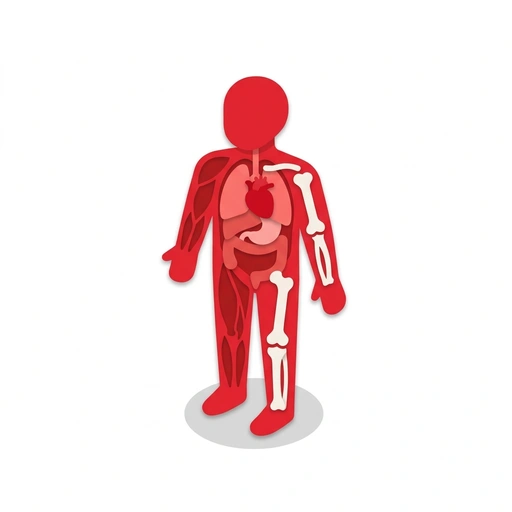
How the Human Body Works
Discover the mechanical and chemical systems that keep you alive, moving, and balanced every day. Learn how your organs coordinate under stress, how muscles pull to create motion, and how the body quietly resets itself behind the scenes.
Like Duolingo, but for How the Human Body Works. Tomo turns the whole topic into a game you play five minutes a day, until it actually sticks.
A short one: 12 levels across 2 sections, about 24 minutes end to end, roughly 5 days at five minutes a day. It moves through Motion and Fuel and The Balancing Act. It starts from scratch.
Free forever · No credit card · iPhone & Android
Key ideas in How the Human Body Works
- The right side of the heart collects oxygen-depleted blood from the body and pumps it to the lungs
- The left side receives oxygenated blood from the lungs and exerts higher pressure to push it through the rest of the body
- Both sides pump at the same time in synchrony rather than taking turns
- The brain's breathing centers monitor blood acidity caused by carbon dioxide buildup, not falling oxygen levels
- Carbon dioxide accumulates quickly while holding your breath, making the urge to breathe intense long before oxygen is dangerously low
- Sensors only rely on oxygen drops as an emergency backup
- Arteries absorb high pressure from heartbeats with thick, springy elastic walls
- Veins are low-pressure vessels that rely on skeletal muscle contractions to squeeze blood upward toward the heart
- One-way valves inside veins snap shut between squeezes to prevent blood from flowing backward down your limbs
- Capillaries have microscopic walls only one cell layer thick
- Capillary diameters are so narrow that red blood cells must squeeze through in single file
- Close contact and microscopic wall thickness allow oxygen to diffuse into surrounding tissue within milliseconds
- During physical exertion, the body dilates blood vessels supplying working skeletal muscles and the heart
- Total blood volume stays constant, so opening flow to active muscles requires taking it from resting organs
- Vessels supplying non-urgent systems like the stomach, intestines, and kidneys constrict to redirect blood volume
- Muscle fibers can only generate force by contracting and pulling, never by pushing
You've tried the other tabs
Thirty open tabs. Four facts you actually kept.
You watched. You nodded. By Sunday it was gone.
One answer, then back to scrolling.
Eight weeks. You meant to finish. You didn't.
Tomo gives How the Human Body Works the Duolingo treatment: levels, streaks, and quick quizzes that test what you just learned. That game loop is what the tabs above never had, so it's the one you actually finish.
Here's what playing it feels like
A real question from this course. Take your best guess.
Why does the left side of your heart need to pump with higher pressure than the right?
Get it right to open this lesson and 11 more in the app.
How to learn How the Human Body Works, step by step
Go in order. 12 short levels across 2 sections, about 24 minutes in all, five minutes a day.
- 1
Motion and Fuel
- Pumping Blood and Moving Air
- The Mechanical Frame
- 2
The Balancing Act
- Extracting Energy from Food
- Holding the Internal Line
2 sections · 4 units · 12 levels. Built to play, not to enroll.
Questions about How the Human Body Works
How do I learn How the Human Body Works?
Go in order: start with Motion and Fuel, then The Balancing Act. On Tomo that's 12 short levels, about 24 minutes in all, played five minutes a day. Start free and play the first level in under a minute.
Is there a Duolingo-style app for How the Human Body Works?
Yes. Tomo works like Duolingo: short daily lessons, streaks and quick quizzes. How the Human Body Works is one of its free courses, and you can type any other topic to get a course of your own.
Is the How the Human Body Works course free?
Yes. How the Human Body Works is playable on Tomo's free plan, which doesn't expire. No credit card, no waitlist. Download the app and start your first lesson.
How long does it take to learn How the Human Body Works?
12 levels across 2 sections, about 24 minutes of play in total. It's built for five minutes a day, so you finish it a little at a time instead of all at once.
Do I need any background to start How the Human Body Works?
No. It's pitched at a beginner level, so it starts where you are and builds up. If you can tap a phone, you can start.
Tomo is in ChatGPT
Tomo is also a ChatGPT plugin: the same playable courses, built and played inside your chat.
Add Tomo to ChatGPT- What to ask
- “Make me a Tomo course on black holes.” “Turn this chat into a Tomo course.”
- What you get
- Quick questions with instant feedback, hearts and stars, ready to play in about a minute.
- Where it goes
- No sign-up to start. Connect your Tomo account and your streak carries on in the app.
You pick the voice
How the Human Body Works is taught in the Professor style: clear, structured, thorough. Want a different feel? In the app you can spin up the same topic in any of Tomo's teaching styles. Same facts, totally different vibe.
More Science on Tomo
How the Human Body Works
Discover the mechanical and chemical principles that keep your body alive and moving. Learn how organs coordinate behind the scenes, how muscles generate force, and how your system automatically balances itself.
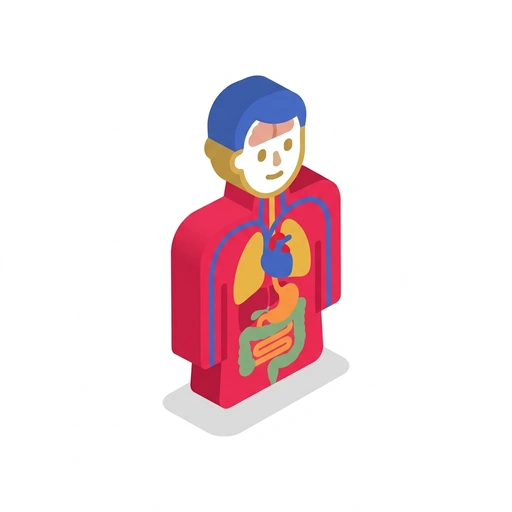
How the Human Body Works
Discover the incredible machinery running beneath your skin every second. Learn how your organs coordinate, why your body produces familiar everyday sensations, and what it takes to keep you moving, thinking, and alive.
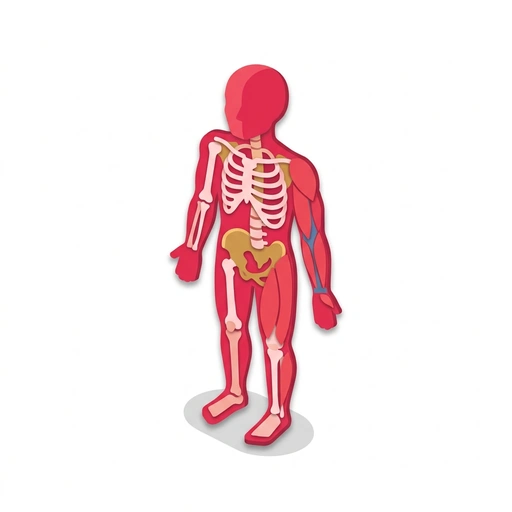
How the Human Body Works
Discover how your body functions as an interconnected living machine. Explore the mechanics of bones and muscles, the heart and lungs' oxygen highway, digestive fuel conversion, and the nervous system's command center.
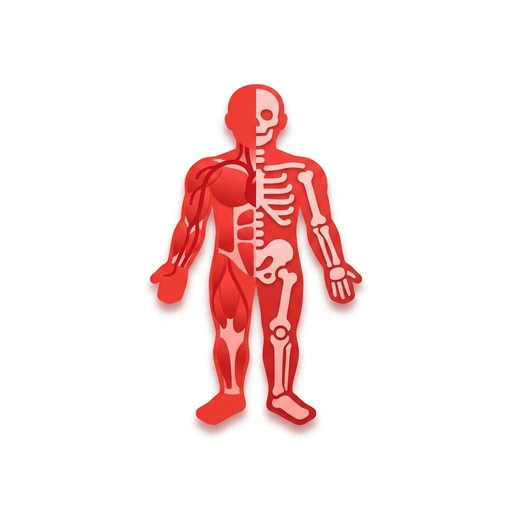
How the Human Body Works
Discover the mechanical and chemical wonders powering your everyday life. Learn how muscles, organs, and nerves coordinate in real time to keep you moving, fueled, and alive.
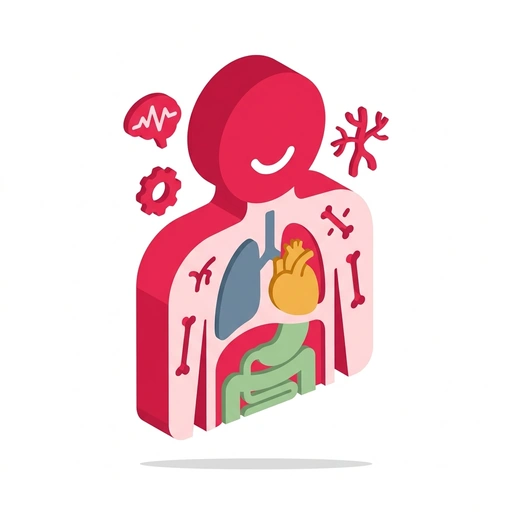
How the Human Body Works
Explore how your body operates as an interconnected system of pumps, levers, sensors, and chemical messengers. Discover the real mechanics behind everyday sensations like fatigue, reflexes, and appetite. Build a working mental model of how your organs team up to keep you alive and moving.
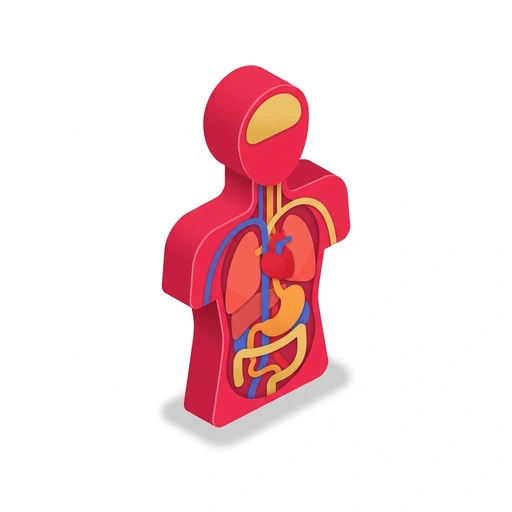
How the Human Body Works
Discover the incredible machinery of human anatomy and physiology. Learn how your bones, muscles, nerves, and organs work together in real time to keep you moving, thinking, and alive.
Start How the Human Body Works today.
Download Tomo, search How the Human Body Works, and play your first lesson in under a minute.