
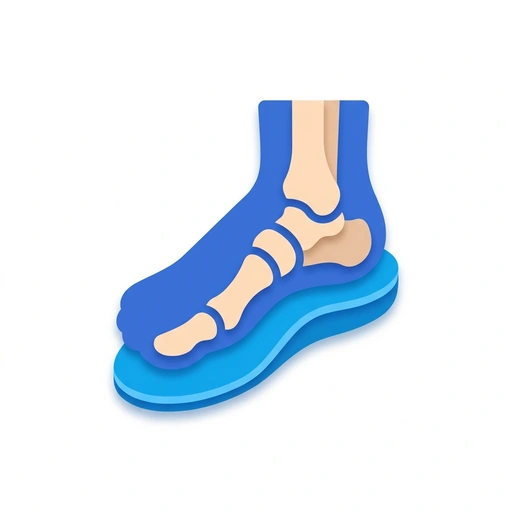
Foot Mechanics and Orthotics
Understand how the arches, joints, and tendons of your feet support every step. Learn to decode wear patterns, balance ground forces, and select the right orthotic support.
Like Duolingo, but for Foot Mechanics and Orthotics. Tomo turns the whole topic into a game you play five minutes a day, until it actually sticks.
A short one: 10 levels across 2 sections, about 20 minutes end to end, roughly 4 days at five minutes a day. It moves through Reading Your Stride and Structure and Applying Orthotic Solutions. It starts from scratch.
Free forever · No credit card · iPhone & Android
Key ideas in Foot Mechanics and Orthotics
- A static wet footprint only shows the arch when standing still without gait forces
- Dynamic movement adds bodyweight and impact that can flatten an arch that looks stable while stationary
- Orthotics must match dynamic foot motion rather than just static resting shape
- Heavy wear on the inner rim of the shoe sole reflects the foot collapsing inward (overpronation)
- Wear isolated along the outer border shows a rigid foot failing to roll inward and absorb shock (underpronation)
- Tread wear patterns reveal how the foot redirects ground force across the sole
- The plantar fascia band contracts and tightens into a shortened position while resting overnight
- Sudden weight-bearing on the first morning steps tears or violently re-stretches the tight fibers
- Night splints and supportive orthotics work by keeping this band from shortening during sleep or collapsing under load
- Viewing shoes from behind on a flat surface exposes whether the heel counter tilts inward or outward
- Inward tilting reveals rearfoot collapse, signaling that inward rotational strain is already traveling up toward the knees and hips
- A shoe tilt test spots structural breakdown in shoe cushioning and foot posture before joint symptoms appear
- The foot rests on a tripod of heel, base of big toe, and base of little toe
- The inner medial arch is high and flexible while the outer lateral arch is lower and bears weight
- The transverse arch runs across the middle of the foot like a dome to distribute body weight
- Pronation unlocks the foot joints so the foot becomes soft and absorbs ground impact
You've tried the other tabs
Thirty open tabs. Four facts you actually kept.
You watched. You nodded. By Sunday it was gone.
One answer, then back to scrolling.
Eight weeks. You meant to finish. You didn't.
Tomo gives Foot Mechanics and Orthotics the Duolingo treatment: levels, streaks, and quick quizzes that test what you just learned. That game loop is what the tabs above never had, so it's the one you actually finish.
Here's what playing it feels like
A real question from this course. Take your best guess.
Why can an arch look perfectly normal standing still, but still collapse when you walk?
Get it right to open this lesson and 9 more in the app.
Where Foot Mechanics and Orthotics takes you
- 1
Reading Your Stride and Structure
- Decoding Footprints and Wear Patterns
- The Foot as Dynamic Architecture
- 2
Applying Orthotic Solutions
- How Orthotics Shift Ground Forces
- Matching the Device to the Foot
2 sections · 4 units · 10 levels. Built to play, not to enroll.
You pick the voice
Foot Mechanics and Orthotics is taught in the The Bestie style: your friend who just gets it. Want a different feel? In the app you can spin up the same topic in any of Tomo's teaching styles. Same facts, totally different vibe.
More Health on Tomo
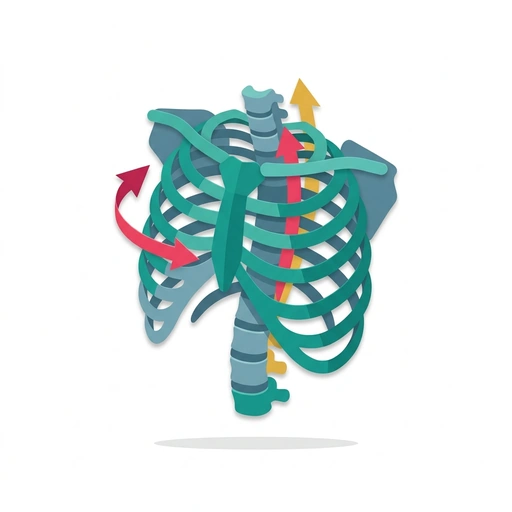
Pilates Anatomy in Motion
Look past generic cues and uncover the biomechanics behind every roll, reach, and teaser. Learn how deep stabilizers, myofascial slings, and joint mechanics work together to build effortless, injury-free movement.
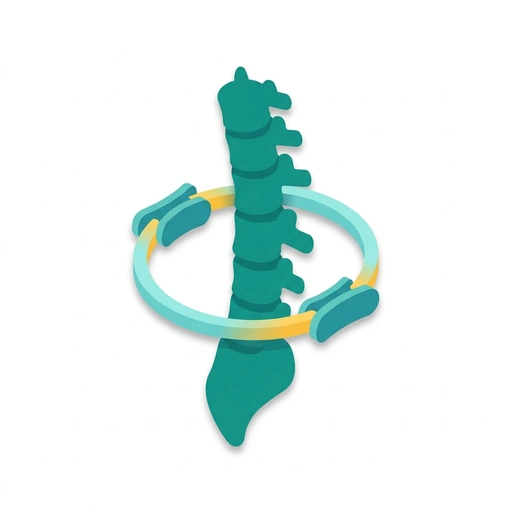
Anatomy for Pilates Movement
Bridge the gap between textbook anatomy and movement instruction. Understand joint mechanics, muscular lines of pull, and functional compensations across the classic and contemporary Pilates repertoire.

Sterile Processing Practice
Move beyond basic cleaning routines to master the technical science of surgical instrument reprocessing. Learn to detect invisible bioburden, prevent wet packs, navigate specialized sterilizer cycles, and uphold strict infection prevention standards.
Reformer Pilates Anatomy and Alignment
Learn the essential biomechanics, cueing principles, and joint safety rules needed for Reformer Pilates. Master pelvic alignment, core activation, and exercise modifications for special populations.
Clinical Anatomy: The Body in Action
Master the structural logic of the human body through the lens of clinical practice. Learn to visualize internal systems and speak the precise language used by medical professionals to describe health and injury.
The Changing Vagina
Move beyond basic anatomy to understand how the vaginal environment evolves through hormonal shifts, aging, and its surprising influence on systemic health and the brain.
Start Foot Mechanics and Orthotics today.
Download Tomo, search Foot Mechanics and Orthotics, and play your first lesson in under a minute.