
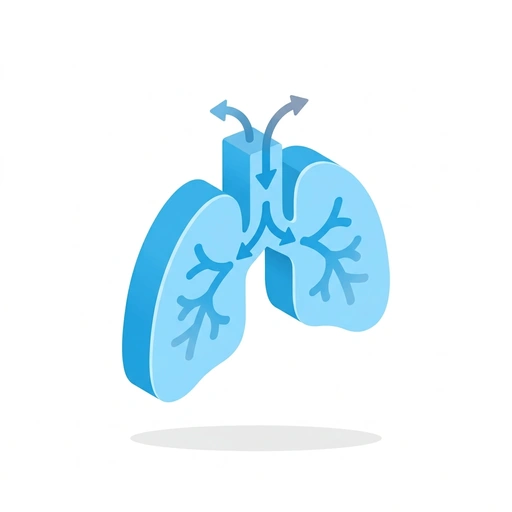
How Breathing Works
Discover the hidden mechanics behind every breath you take. Learn how your diaphragm pumps air, why carbon dioxide drives your instincts, and how your lungs trade gas with your blood.
Like Duolingo, but for How Breathing Works. Tomo turns the whole topic into a game you play five minutes a day, until it actually sticks.
A short one: 12 levels across 2 sections, about 24 minutes end to end, roughly 5 days at five minutes a day. It moves through Moving Air in and Out and The Inner Exchange and Reflexes. It starts from scratch.
Free forever · No credit card · iPhone & Android
Key ideas in How Breathing Works
- Lungs have no muscle tissue and cannot pull or push air on their own
- Expanding the chest cavity drops the pressure inside, causing outside air to rush in like a vacuum
- The diaphragm moves downward like a syringe plunger to draw air inside
- Normal exhaling happens passively simply by letting the diaphragm relax back up
- Upper chest breathing forces emergency neck and collarbone muscles to do constant work
- The diaphragm handles breathing effortlessly, whereas neck and upper rib muscles burn extra energy when used full-time
- Nasal passages act as an air conditioner by warming, humidifying, and filtering air before it hits the lungs
- Nose breathing produces nitric oxide, a gas that helps blood vessels open up to absorb oxygen better
- Mouth breathing sends raw, dry, unfiltered air straight into the airway
- A physiological sigh starts with a deep breath in through the nose
- A second quick sniff at the top pops open tiny collapsed air sacs in the lungs
- A slow, prolonged exhale triggers immediate physical relaxation
- The correct sequence of a physiological sigh to reopen collapsed alveoli and soothe tension
- Rising carbon dioxide levels create the urgent air hunger, not falling oxygen
- The body still has ample oxygen reserves when the urge to breathe strikes
- Dissolved carbon dioxide acts as a mild acid in fluids
You've tried the other tabs
Thirty open tabs. Four facts you actually kept.
You watched. You nodded. By Sunday it was gone.
One answer, then back to scrolling.
Eight weeks. You meant to finish. You didn't.
Tomo gives How Breathing Works the Duolingo treatment: levels, streaks, and quick quizzes that test what you just learned. That game loop is what the tabs above never had, so it's the one you actually finish.
Here's what playing it feels like
A real question from this course. Take your best guess.
When your chest expands, how does air actually get into your lungs?
Get it right to open this lesson and 11 more in the app.
Where How Breathing Works takes you
- 1
Moving Air in and Out
- How Lungs Actually Fill
- The Chemical Trigger to Breathe
- 2
The Inner Exchange and Reflexes
- Where Air Meets Blood
- Coughs, Hiccups, and Thin Air
2 sections · 4 units · 12 levels. Built to play, not to enroll.
You pick the voice
How Breathing Works is taught in the The Bestie style: your friend who just gets it. Want a different feel? In the app you can spin up the same topic in any of Tomo's teaching styles. Same facts, totally different vibe.
More Science on Tomo
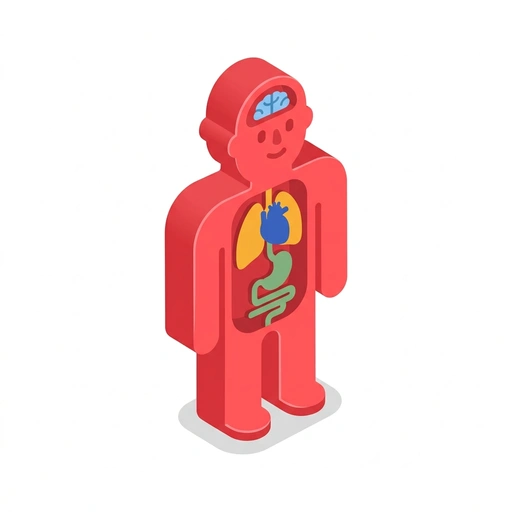
How Your Body Works
Ever wonder what's happening inside you right now? Discover how your heart pumps, how you breathe, and how your brain controls everything you do in this simple guide to the human body.
The Living Skeleton
Discover the dynamic, self-repairing world of your bones. Learn how your skeleton adapts to movement, acts as a living mineral vault, and stays strong for a lifetime.
Thinking Like a Vet
Learn to read the hidden language of animals. From checking a dog's heartbeat to understanding how a horse moves, discover the secrets of animal anatomy and how to keep them healthy.

Photosynthesis: Solar Power for Life
Go beyond the basics of 'sun meets leaf' to discover how plants actually capture light and turn it into fuel. Learn how the green world breathes and powers almost every living thing on Earth.
How the Human Body Works
Discover how your body coordinates movement, fuels your cells, and keeps you alive. Learn the mechanics behind everyday sensations from your heartbeat to muscle fatigue.
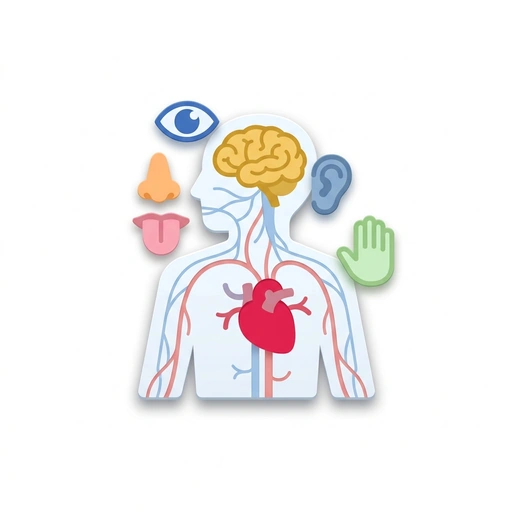
How the Human Body Works
Discover how your senses, muscles, brain, and heart collaborate as an extraordinary living machine. Learn how your body translates the world outside into thought, movement, and life on the inside.
Start How Breathing Works today.
Download Tomo, search How Breathing Works, and play your first lesson in under a minute.