
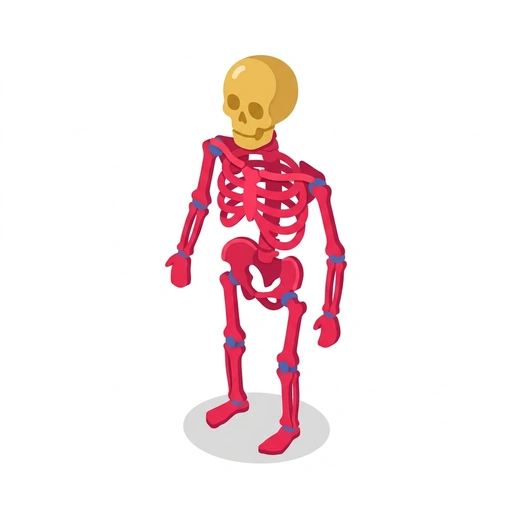
How the Human Body Fits Together
Move beyond memorizing isolated bones and organs to understand how your body is engineered. Learn the mechanical tradeoffs, vascular highways, and pressure chambers that keep everything working.
Like Duolingo, but for How the Human Body Fits Together. Tomo turns the whole topic into a game you play five minutes a day, until it actually sticks.
A short one: 11 levels across 2 sections, about 22 minutes end to end, roughly 4 days at five minutes a day. It moves through Mechanical Architecture and Movement and Internal Pathways and Pressures. It assumes you already know the basics.
Free forever · No credit card · iPhone & Android
Key ideas in How the Human Body Fits Together
- Muscle fibers can actively generate tension only by pulling, never by pushing
- Returning a joint to neutral requires an opposing antagonist muscle to pull from the other side
- The triceps brachii pulls on the olecranon process to oppose biceps elbow flexion
- In third-class levers, the muscle effort inserts between the joint fulcrum and the load
- This anatomical layout operates at a mechanical disadvantage, requiring high muscle forces
- A small shortening of the muscle produces a huge, fast sweep at the hand or foot
- Pennate muscles arrange fibers at an angle to insert onto an internal tendon
- Angling fibers fits more contractile units into a given physiological cross-section
- Parallel muscle fibers shorten over a longer distance but produce less total tension
- Biarticular muscles cross two consecutive joints rather than anchoring to just one
- The rectus femoris flexes the hip while extending the knee during a stride
- Impact forces passively stretch tendons while the attached muscle holds tension
- Stretched collagen fibers store kinetic energy as elastic strain energy
- Passive recoil of the tendon releases stored energy to propel the joint forward
- The hip's deep acetabulum provides passive bony containment, sacrificing extreme range for structural security.
- The glenoid fossa covers less than a third of the humeral head, requiring dynamic muscular cuffs to hold it in place.
You've tried the other tabs
Thirty open tabs. Four facts you actually kept.
You watched. You nodded. By Sunday it was gone.
One answer, then back to scrolling.
Eight weeks. You meant to finish. You didn't.
Tomo gives How the Human Body Fits Together the Duolingo treatment: levels, streaks, and quick quizzes that test what you just learned. That game loop is what the tabs above never had, so it's the one you actually finish.
Here's what playing it feels like
A real question from this course. Take your best guess.
Once you bend a joint, how does your body straighten it back out?
Get it right to open this lesson and 10 more in the app.
How to learn How the Human Body Fits Together, step by step
Go in order. 11 short levels across 2 sections, about 22 minutes in all, five minutes a day.
- 1
Mechanical Architecture and Movement
- Biomechanical Levers: How Muscles Generate Force
- Joint Geometry: The Mobility Versus Stability Tradeoff
- 2
Internal Pathways and Pressures
- Neurovascular Highways: Protecting Vital Cabling
- Body Cavities: Managing Pressures and Partitions
2 sections · 4 units · 11 levels. Built to play, not to enroll.
Questions about How the Human Body Fits Together
How do I learn How the Human Body Fits Together?
Go in order: start with Mechanical Architecture and Movement, then Internal Pathways and Pressures. On Tomo that's 11 short levels, about 22 minutes in all, played five minutes a day. Start free and play the first level in under a minute.
Is there a Duolingo-style app for How the Human Body Fits Together?
Yes. Tomo works like Duolingo: short daily lessons, streaks and quick quizzes. How the Human Body Fits Together is one of its free courses, and you can type any other topic to get a course of your own.
Is the How the Human Body Fits Together course free?
Yes. How the Human Body Fits Together is playable on Tomo's free plan, which doesn't expire. No credit card, no waitlist. Download the app and start your first lesson.
How long does it take to learn How the Human Body Fits Together?
11 levels across 2 sections, about 22 minutes of play in total. It's built for five minutes a day, so you finish it a little at a time instead of all at once.
Do I need any background to start How the Human Body Fits Together?
No. It's pitched at an intermediate level, so it starts where you are and builds up. If you can tap a phone, you can start.
Tomo is in ChatGPT
Tomo is also a ChatGPT plugin: the same playable courses, built and played inside your chat.
Add Tomo to ChatGPT- What to ask
- “Make me a Tomo course on black holes.” “Turn this chat into a Tomo course.”
- What you get
- Quick questions with instant feedback, hearts and stars, ready to play in about a minute.
- Where it goes
- No sign-up to start. Connect your Tomo account and your streak carries on in the app.
You pick the voice
How the Human Body Fits Together is taught in the Professor style: clear, structured, thorough. Want a different feel? In the app you can spin up the same topic in any of Tomo's teaching styles. Same facts, totally different vibe.
More Science on Tomo
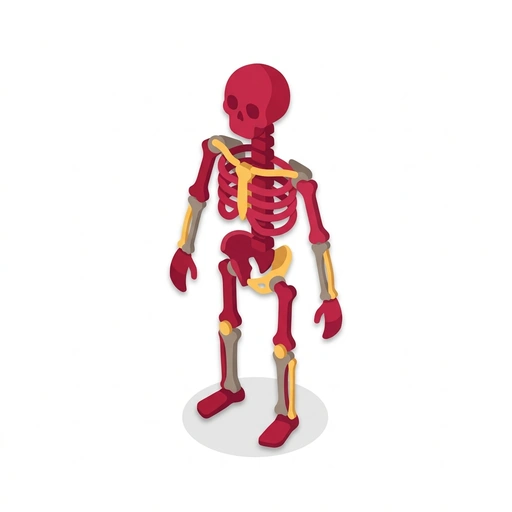
How the Human Body Fits Together
Explore the elegant architecture of your own body from the inside out. Learn how your skeleton, muscles, circulation, and vital organs coordinate to keep you upright, moving, and alive.
How the Human Body Works
Discover how your body coordinates movement, fuels your cells, and keeps you alive. Learn the mechanics behind everyday sensations from your heartbeat to muscle fatigue.
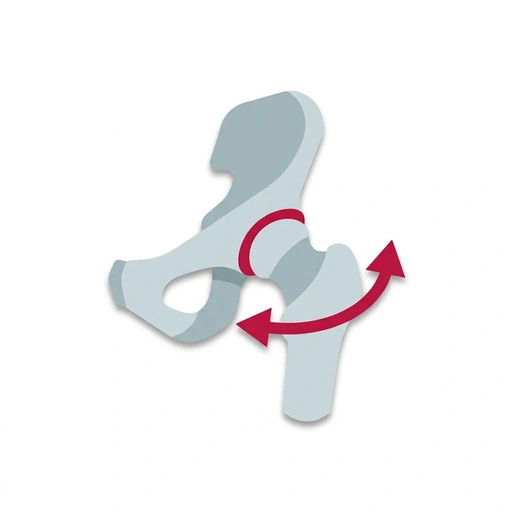
Functional Anatomy: Architecture of Motion
Look past static organ charts to understand how the human body balances force, fluid, and stability. Learn how joints glide, fascia routes tension, and body cavities generate hydraulic strength.
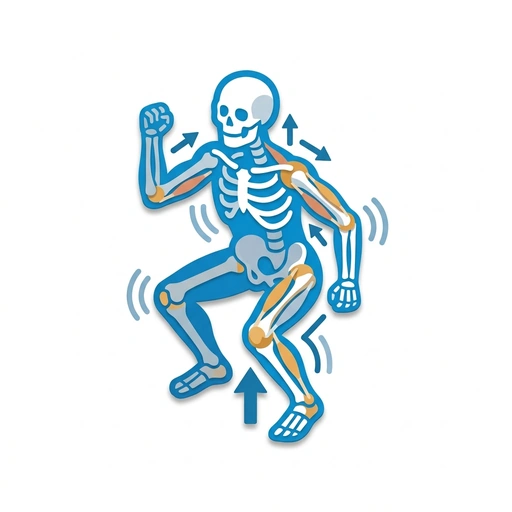
Functional Anatomy: How the Body Handles Force
Move past rote memorization of muscle names and discover the biomechanical architecture of the human body. Learn how moment arms, two-joint muscle dynamics, core hydraulics, and elastic fascia manage force and movement.
Applied Human Anatomy
Bridge the gap between textbook organ lists and real human function. Learn how fascial planes, neurovascular pathways, and visceral architecture shape the living body.
How the Human Body Is Built
Decode the architecture beneath your skin. Learn to identify major skeletal landmarks, trace how muscles pull against joints, and understand how internal organs are organized into working compartments.
Start How the Human Body Fits Together today.
Download Tomo, search How the Human Body Fits Together, and play your first lesson in under a minute.