
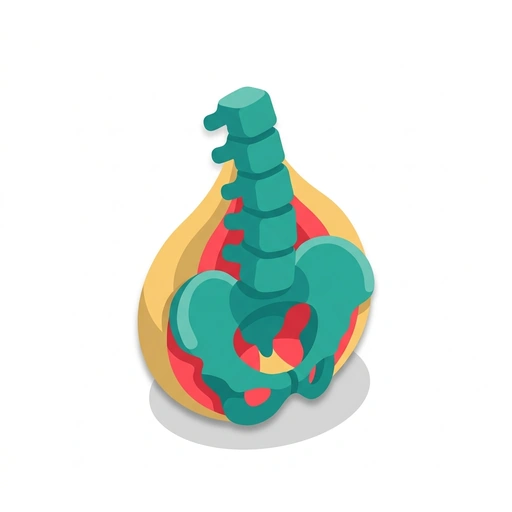
Reformer Pilates Anatomy and Alignment
Like Duolingo, but for Reformer Pilates Anatomy and Alignment. Tomo turns the whole topic into a game you play five minutes a day, until it actually sticks.
For the part of you with thirty open tabs that never became anything.
A short one: 12 levels across 2 sections, about 24 minutes end to end, roughly 5 days at five minutes a day. It moves through Anchoring the Pelvis and Spine and Dynamic Alignment and Safety Screening. It starts from scratch.
Free forever · No credit card · iPhone & Android
Key ideas in Reformer Pilates Anatomy and Alignment
- The deep core acts like an enclosed cylinder stabilizing the spine
- The diaphragm and pelvic floor cap the top and bottom
- The deep abdominal wall and deep back muscles form the sides and back
- Neutral pelvis keeps the natural small arch in the lower back when feet are supported
- Lifting both feet into the air increases spinal load, requiring an imprint to press the low back gently toward the mat
- Imprinting prevents the lower back from hyperextending under the weight of floating legs
- Gripping or hard crunching engages the superficial rectus abdominis rather than the deep core
- Subtle cues like gently drawing the two front hip points toward each other wrap the deep transverse corset without surface tension
- Tilting the hip crests forward exaggerates the lumbar curve and strains lower back joints
- Tucking the tailbone under completely erases the natural curve that absorbs impact
- A balanced pelvis keeps the spine stacked without pinching or flattening
- Breathing out naturally lifts the pelvic floor and narrows the deep abdominal wall
- Breathing into the sides and back of the ribs prevents the belly from pushing or doming outward on an inhale
- Holding your breath traps pressure and pushes the abdominal wall outward
- The spine bends forward (flexion), backward (extension), side-to-side (lateral flexion), and twists (rotation)
- Safe spinal movement keeps the hips still so movement comes from the spine itself rather than whole-body shifting
You've tried the other tabs
Thirty open tabs. Four facts you actually kept.
You watched. You nodded. By Sunday it was gone.
One answer, then back to scrolling.
Eight weeks. You meant to finish. You didn't.
Tomo gives Reformer Pilates Anatomy and Alignment the Duolingo treatment: levels, streaks, and quick quizzes that test what you just learned. That game loop is what the tabs above never had, so it's the one you actually finish.
Here's what playing it feels like
A real question from this course. Take your best guess.
What makes up the top roof and bottom floor of your core can?
Get it right to open this lesson and 11 more in the app.
Where Reformer Pilates Anatomy and Alignment takes you
Learn the essential biomechanics, cueing principles, and joint safety rules needed for Reformer Pilates. Master pelvic alignment, core activation, and exercise modifications for special populations.
- 1
Anchoring the Pelvis and Spine
- The Core Cylinder and Pelvic Placement
- Spine Articulation and Movement Planes
- 2
Dynamic Alignment and Safety Screening
- Lower Body Mechanics in Footwork and Straps
- Safety Protocols and Client Modifications
2 sections · 4 units · 12 levels. Built to play, not to enroll.
You pick the voice
Reformer Pilates Anatomy and Alignment is taught in the Explain Like I'm 5 style: no big words. promise.. Want a different feel? In the app you can spin up the same topic in any of Tomo's teaching styles. Same facts, totally different vibe.
More Health on Tomo
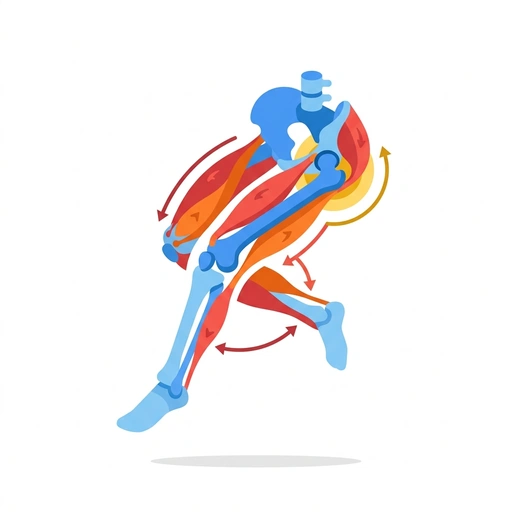
Anatomy for Pilates Professionals
Bridge the gap between textbook anatomy and the moving body. Master the musculoskeletal relationships that drive core stability, spinal articulation, and efficient movement patterns in your clients.
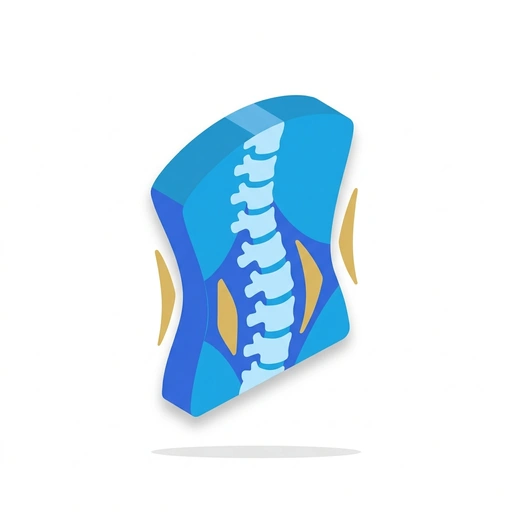
Pilates Anatomy: Movement from Within
Discover how your muscles and bones work together to create the strength, length, and control that define the Pilates method.

Anatomy for Pilates and Sculpt
Learn the functional anatomy needed to lead safe, effective, and powerful movement classes. Master the 'why' behind every cue and understand how the body moves from the inside out.
Pilates Anatomy: The Body in Motion
Understand how your muscles and bones work together to create the strength and control that defines Pilates. Learn to move from your center and protect your spine with every breath.
Anatomy for Pilates Instruction
Bridge the gap between textbook anatomy and the moving body. Learn to see beneath the skin to refine your cueing, correct compensations, and deepen your students' mind-body connection.
Pilates: Strength through Control
Build a resilient body and a focused mind by mastering the powerhouse. This course takes you from your first lateral breath to the fluid, precise movements that define the Pilates method.
Start Reformer Pilates Anatomy and Alignment today.
Download Tomo, search Reformer Pilates Anatomy and Alignment, and play your first lesson in under a minute.