
Learn Food & Drink
379 free food & drink courses, each a game you play five minutes a day. Pick one, or build your own.
Free forever · No credit card · iPhone & Android
Free Food & Drink courses
379 food & drink courses and counting, including The Art and Science of Espresso Mastery and Beyond the Label: Mastering Wine. Each is a full game with levels, streaks, and quick quizzes, the kind you actually finish instead of bookmarking for later.
The Art and Science of Espresso Mastery
Move beyond the basic button-press and learn to manipulate pressure, temperature, and milk texture like a professional barista. Master the nuances of roast profiles and pour intricate latte art that tastes as good as it looks.

Beyond the Label: Mastering Wine
Move past the basics and learn to decode complex flavors, pair like a pro, and navigate any wine list with confidence. Discover the hidden factors that make a great bottle stand out from the rest.
Poise and Table Etiquette
Develop timeless social grace through the essentials of dining and personal presentation. From decoding specialized flatware to carrying yourself with poise at any gathering, discover practical rituals of classic elegance.
The Chemistry of Coffee Extraction
Master the molecular thermodynamics, fluid mechanics, and organic chemistry governing coffee extraction. Analyze mass transport, puck hydrodynamics, and variable pressure curves to engineer flavor with precision.
Wine: Tasting, Terroir, and Trade
Develop a professional palate and the foundational knowledge needed for a career in the wine industry. Learn to systematically analyze taste, navigate global regions, understand winemaking, and master commercial wine sales.
Cola Champagne: Culture and Chemistry
Unpack the fascinating chemistry, industrial bottling, and cross-cultural history of Cola Champagne. Explore how this effervescent, tutti-frutti soft drink became an enduring Caribbean and Latin American icon.
Behind the Espresso Bar
Learn the language, mechanics, and daily craft of the coffee counter. Understand everything from dialing in shots to bar workflow so you can talk shop with confidence.
Specialty Coffee: Dialing In Flavor
Bridge the gap from casual home brewer to confident palate. Master the levers of extraction, calibrate water and grind geometry, and connect roast chemistry directly to the cup in your hand.
Everyday Cooking with Heat and Flavor
Stop following recipes blindly and learn how heat, salt, and fat actually transform food in your kitchen. Build everyday cooking confidence through sensory cues, better pan habits, and foolproof flavor balancing.
Modern Barista Technique
Bridge the gap between basic espresso preparation and professional coffee craft. Learn to dial in by taste, master the physics of puck preparation, steam silky microfoam for consistent latte art, and troubleshoot extraction variables with precision.
Espresso at Home
Unlock the potential of your home espresso setup and pull sweet, balanced shots every morning. Learn how to prepare a clean puck, diagnose sour and bitter notes, and dial in your grinder with confidence.
Espresso Craft: Dialing In and Pouring
Move beyond button-pressing into precise extraction control and fluid dynamics. Learn to dial in coffee by taste, fix channeling under pressure, and texture silky microfoam for consistent pours.
Decoding the Cafe Menu
Move beyond pointing blindly at the chalkboard. Learn how extraction ratios, microfoam texture, and dilution shape your cup so you can order with precision at any coffee shop.
Better Coffee at Home
Unlock the simple mechanics behind making a delicious cup of coffee every morning. Learn how to diagnose off-flavors, control your brew, and choose beans that match your taste.

How to Taste Wine
Learn to taste wine with confidence without the pretension. Master the basic sensory routine, decode what you feel on your palate, and talk about what you enjoy.
The Ranch Dressing Codex
Master the art, science, and global diversity of America's favorite dressing. From emulsion chemistry and regional tavern variations to artisanal crafting and troubleshooting, discover what makes ranch extraordinary.
The Architecture of Coffee Drinks
Deconstruct modern espresso beverages, milk chemistry, and craft drink formulations. Advance beyond basic dial-in to master flow profiling, thermal denaturation, cold extractions, and mineral-tailored drink design.
Cooking Without Recipes
Ditch the rigid instructions and learn the foundational kitchen instincts that make restaurant food taste electric. Master heat control, dynamic seasoning, and quick pan sauces to improvise delicious meals on the fly.
Cooking Tunisian Ojja
Learn to make Ojja, Tunisia's fiery, aromatic skillet dish of poached eggs simmered in spiced tomato and pepper sauce. Go from a fast weeknight pan to mastering classic merguez sausage variations.
Extracción y Calibración de Espresso
Perfecciona la técnica del espresso dominando la física de la pastilla, el diagnóstico de canalizaciones y la química del vaporizado de leche. Una formación avanzada para baristas que buscan precisión milimétrica y consistencia sensorial en cada servicio.
Baking Soft Yeast Rolls
Learn the simple, tactile secrets to baking soft, golden dinner rolls from scratch. From waking up yeast to creating pillow-soft crumb, master homemade rolls with confidence.
The Modern IPA
Move beyond generic bitterness to decode hop varieties, compare iconic sub-styles, and spot the freshest pours on any tap list.
Gongfu Tea: Ritual and Craft
Learn the artful practice of Chinese Gongfu tea from the first pour to deep sensory appreciation. Explore essential teaware, navigate the six major families of tea, and discover the living rituals behind the tea tray.
Coffee Styles and Terminology
Move beyond the basics to decipher coffee menus, bag labels, and flavor wheels. Learn how bean genetics, regional processing, and extraction ratios shape the profile of every cup you drink.
Everyday Barista Skills
Learn the core techniques behind café-quality drinks. Pull balanced espresso shots, steam glossy microfoam, and assemble classic drinks with confidence.
Baking with Yeast
Take full control of your homemade breads, pizzas, and rolls. Learn how to keep yeast alive, judge dough rises by sight instead of the timer, and use cold fermentation to coax bakery-quality flavor from simple ingredients.
Crafting Specialty Coffee Drinks
Move beyond basic brews into the craft of cafe-level drink builds. Master microfoam textures, blended frappe stability, gravity layering, and flavor balance to engineer lattes, cold foams, and signature concoctions at home.
Precision Coffee Extraction
Master the physics and chemistry behind elite extractions. Learn to manipulate flow profiles, particle distribution, and custom mineral water to push flavor clarity beyond standard brewing limits.
Crafting Coffee Drinks
Move beyond the basic cup to balance, texture, and construct cafe-quality beverages. Learn the precise ratios, milk chemistry, and temperature dynamics behind classic and modern coffee recipes.
Starbucks Beverage Routine & Recipes
Learn the exact recipes, shot formulas, syrup pump standards, and sequencing rhythms used on the Starbucks bar. Build everything from layered macchiatos and custom shaken espressos to silky flat whites with confidence.
Coffee: Dialing, Extraction, and Technique
Troubleshoot extraction flaws, master puck and bed physics, and engineer your water chemistry. Designed for experienced brewers looking to eliminate guesswork and achieve repeatable cup perfection.

Barista Milk Techniques
Learn to steam silky microfoam, control pour dynamics, and pour clean latte art. Diagnose texture faults and understand milk chemistry across dairy and plant alternatives.
Better Coffee at Home
Transform your morning routine by mastering the simple variables that govern coffee flavor. Learn how to dial in your brew, fix sour or bitter cups, and pick beans that match your taste.
Dialing In Coffee Flavor
Move beyond static recipes and learn how extraction actually works. Diagnose taste flaws in your cup, master the mechanical levers that fix them, and tailor your brew to different bean origins and water chemistry.
Espresso Mechanics and Barista Craft
Bridge the gap between pulling basic shots and commanding the espresso bar. Master dial-in variables, diagnose extraction flaws by taste, steam silky microfoam, and understand the physics inside the portafilter.
Barista Craft and Calibration
Bridge the gap between basic espresso brewing and professional sensory control. Learn how to diagnose extraction flaws by taste, eliminate channeling through puck prep, and texture silky microfoam with precision.
How to Taste Coffee
Transform your morning routine from a caffeine fix into a sensory experience. Learn how to identify subtle flavor notes, troubleshoot a bad cup, and choose beans you actually love.

Decoding the Coffee Menu
Never freeze at the cafe counter again. Learn how espresso and milk combine to create your favorite drinks, and how to order exactly what you want with confidence.
Brewing Better Coffee
Stop settling for bitter, watery coffee at home. Learn how to control extraction, dial in grind size, choose exceptional beans, and master everyday brewing gear.

Crafting Classic Espresso Drinks
Step behind the espresso bar to pull balanced shots, steam silky microfoam, and assemble every classic cafe beverage with confidence and speed.

Making Starbucks Drinks at Home
Recreate your favorite coffeehouse drinks using simple kitchen tools. Learn the formulas behind signature hot lattes, shaken iced espressos, and velvety sweet cold foams without expensive machinery.
Coffee Extraction and Tasting
Master professional cupping protocols, dial in modern espresso ratios, and engineer precise extractions. Explore water chemistry, milk physics, and sensory analysis to unlock elite-level coffee craft.
Espresso and Barista Craft
Bridge the gap between pulling basic shots and commanding an espresso bar. Learn the extraction mechanics, microfoam physics, sensory calibration, and station workflows that define professional barista craft.
Espresso Drinks: Craft and Technique
Move beyond guesswork to dial in balanced espresso shots and texture cafe-grade microfoam. Master extraction diagnostics, milk chemistry, and drink ratios to build classic cafe beverages with consistency.

Inside Starbucks Coffee
Decode the mechanics behind Starbucks drinks, from shot pulls and syrup viscosity to the Mastrena machine and roasting scale.
Coffee Extraction, Chemistry, and Terroir
Master the physics of extraction, water mineral kinetics, fermentation biochemistry, and roast thermodynamics. Designed for experienced coffee professionals and passionate enthusiasts ready to move beyond the basics.

Modern Bartending Techniques
Go beyond classic specs and learn the high-impact techniques shaping modern cocktail bars. Master acid-adjusting, fat-washing, texture manipulation, and precision recipe architecture to engineer unforgettable drinks.
Espresso: Craft and Technique
Bridge the gap between basic espresso brewing and dialed-in café quality. Learn the mechanics of puck preparation, master the variables of extraction, and troubleshoot flawed shots by taste.
The Mechanics of Coffee Flavor
Move beyond basic brewing by mastering extraction dynamics, water chemistry, and sensory evaluation. Discover how harvest processing, roast profiles, and bean physics shape every cup.

Making Classic Cocktails
Learn the essential cocktail recipes, balance formulas, and unspoken bar standards every bartender uses. Build confidence behind any bar by mixing classics cleanly, measuring accurately, and presenting drinks with professional polish.
The Barista's Craft
Move beyond basic button-pressing and master the levers of espresso extraction and milk texture. Learn to diagnose flavor flaws by taste, eliminate channeling through deliberate puck prep, and steam glossy microfoam every time.
Precision Coffee Extraction
Move past standard recipes by mastering the physics and chemistry of coffee brewing. Control fluid dynamics, particle kinetics, and water ion balances to consistently extract peak flavor clarity.
Coffee Styles and Brewing Methods
Move beyond the basics to brew every major coffee style with confidence and precision. Compare percolation, immersion, pressure, and cold methods to understand how extraction shapes each cup. Learn how to steam silky microfoam, dial in espresso ratios, and adjust your recipe for any roast.
Baking Technique and Recipe Design
Bridge the gap between blindly following instructions and baking with professional intuition. Learn high-efficiency kitchen workflows, master lamination and structural doughs, and decode baking chemistry to engineer and perfect your own custom recipes.
Coffee: Grounds, Brews, and History
Discover how to brew great coffee at home, decode cafe menus with confidence, and trace the global journey of the humble coffee bean from ancient forests to modern cups.

Making Any Espresso Drink
Decode the café menu by learning the two core skills behind every drink: dialing in an espresso shot and texturing milk. Turn simple ratios into lattes, cortados, Americanos, and iced classics right at home.
Wine Essentials: Flavors and Pairings
Learn to navigate any wine aisle or restaurant list with total confidence. Understand the key red and white styles, master serving temperatures, and pair food and wine effortlessly.
Cooking Great Steak at Home
Get a restaurant-quality golden crust and a juicy, tender center in your own kitchen. Master heat control, reliable doneness testing, and easy butcher-counter choices.
Brewing Like a Barista
Step behind the espresso bar and master the core skills of specialty coffee. Learn to balance extraction, dial in rich espresso, steam velvety microfoam, and build classic café drinks with confidence.
Barista Craft Behind the Bar
Step behind the commercial machine and master professional barista technique. Learn to dial in espresso by taste, texture silky microfoam, execute standard cafe menus, and keep a high-volume bar running smoothly.
Advanced Culinary Mechanics
Explore the structural chemistry, rheology, and volatile flavor dynamics that govern high-level cooking. Master modernist hydrocolloids, precision fermentation, thermal equilibria, and cross-modal sensory design.

Dunkin' Sweet Coffee at Home
Stop spending five dollars a day at the drive-thru. Replicate Dunkin's signature sweet iced and hot coffees at home using exact supermarket ingredients, secret ratios, and homemade swirls.
Brewing Great Coffee at Home
Stop settling for bitter, muddy cups. Learn the simple mechanical levers that control coffee extraction, how to diagnose flavor problems, and how to buy fresh beans with confidence.
The Barista's Drink Blueprint
Understand how every drink on the cafe menu is built from simple ratios of espresso, water, and textured milk. Learn the subtle shifts between lattes, flat whites, and cortados, then start customizing and inventing your own signature coffee recipes.
Espresso Drinks and Ratios
Decode the café menu by understanding espresso-to-milk ratios, foam textures, and brew styles. Learn exactly what makes a cortado different from a flat white and how to order or make your ideal cup.
Latte Art for Home Coffee
Transform everyday kitchen coffee, specialty instant, and concentrated brews into smooth canvas for cafe-style latte art. Master manual milk texturing with home tools and control the pour mechanics behind hearts, tulips, and rosettas.
Brewing Better Coffee
Turn your daily morning coffee from a guessing game into a predictable, delicious ritual. Learn to dial in your grind and water, troubleshoot bitter or sour cups, and pick beans you will actually love.
The Analytical Wine Palate
Deconstruct wine beyond surface tasting notes through structural chemistry, cellar technique, and terroir physics. Build the analytical palate required to diagnose flaws, identify appellations blind, and predict cellar evolution.
Cooking Rice Well
Never serve gummy, burnt, or crunchy rice again. Learn the stovetop fundamentals, choose the right grain for every meal, and troubleshoot any pot.

Coffee for Study Sessions
Ditch stale instant coffee and costly café runs. Learn simple brewing tweaks and study-friendly recipes that keep your focus sharp and your mug delicious.
Espresso and Milk: The Barista's Craft
Unlock the secrets behind the cafe counter. Learn how to pull sweet, balanced espresso shots, steam silky microfoam, and assemble coffee shop classics with confidence.

Flavor: How Food and Drink Work
Unlock the everyday mechanics of deliciousness. Learn how to balance tastes, wield heat and fat, pour perfect beverage pairings, and understand the science behind why things taste good.
Espresso Drink Proportions
Learn the exact espresso, milk, and water proportions behind every classic cafe order. Understand how cup size, foam texture, and ratio transform a standard double shot into cortados, cappuccinos, lattes, and beyond.
Precision Espresso Extraction
Move beyond basic recipes by mastering puck resistance physics, dynamic flow profiling, and extraction yield science. Fine-tune every variable to unlock the sweet spot of complex roasts.
Egg Technique: Heat, Fat, and Texture
Transform everyday egg preparation into deliberate culinary craft. Learn how heat control, fat distribution, and steam mechanics yield exact textures from crisp skirts to velvety curds.
Espresso Extraction and Barista Technique
Move beyond basic coffee recipes to actively controlling espresso extraction. Master grind-to-yield dialing, puck preparation physics, microfoam steaming, and sensory troubleshooting.
Making Great Coffee
Transform your morning cup from an unpredictable routine into an intentional craft. Learn to fix bitter or sour brews, choose the right equipment, and read coffee bags like a pro. Master the foundational variables of extraction, tasting, and bean origin.
The Rules of Everyday Baking
Skip the guesswork and soggy bottoms. Learn how flour, fat, and heat interact so you can bake tender cakes, crisp cookies, and reliable treats every time.

Decoding the Espresso Menu
Demystify every drink on the specialty cafe board by looking past marketing labels to what actually sits in the cup. Learn how volume, milk texture, and extraction geometry define drinks from cortados to allongés.
Better Coffee at Home
Transform your daily coffee from bitter guesswork into a deliberate, delicious ritual. Learn to diagnose bad brews, balance flavors, and choose beans you will actually love.

El arte de leer con café
Descubre cómo unir el aroma del café con el placer de la lectura. Aprende a diseñar tu ritual ideal, maridar géneros con bebidas y cultivar la calma de un café literario.
The Architecture of Wine
Deconstruct wine through structural analysis, fault diagnosis, and cellar chemistry. Refine your blind-tasting deductive logic and master the viticultural and vinification decisions that shape fine wine.
Comparing Coffee Brewing Methods
Evaluate how geometry, pressure, filter media, and fluid dynamics alter flavor clarity and tactile mouthfeel. Compare percolation, immersion, vapor, and hydraulic methods to control extraction with precision.
Coffee Extraction Science
Examine the thermodynamics, fluid mechanics, and solubility kinetics behind brewing. Master profile shaping across immersion and percolation, control fine-particle migration, and engineer custom water chemistry for targeted cup profiles.
Sourdough Bread: Crumb, Crust, and Ferment
Move beyond dense, unpredictable loaves by mastering dough tension, fermentation cues, and heat physics. Learn to diagnose crumb defects, handle high hydration, and steer microbial activity for explosive oven spring.
Everyday Baking from Scratch
Build kitchen confidence through classic bakes, from chewy cookies and tender muffins to crusty loaves. Learn how ingredients interact, how to read dough by touch, and how to spot doneness with your senses.
Engineering the Iced Latte
Stop making watery, bitter cold coffee. Master temperature dynamics, cold-tuned extraction, and milk physics to build cafe-quality iced lattes at home.
Understanding Coffee Drinks
Demystify the café chalkboard and order with complete confidence. Learn how varying ratios of espresso, water, and textured milk create drinks from cortados to flat whites. Discover how texture, dilution, and temperature dramatically shape every cup.
The Science of Fine Chocolate
Move past ordinary candy bars into the craft of fine chocolate. Learn to taste subtle flavor notes, master crystallization through tempering, and decode how cocoa fat and fermentation shape texture.
Coffee, Lattes, and the Register
Learn the essential skills for working behind a coffee counter, from brewing solid coffee and steaming velvety latte milk to ringing up orders. Master cash handling, counting back change, and resolving drink remakes with ease.
Bourbon and Whiskey Architecture
Examine the chemical, thermodynamic, and wood-aging mechanisms that govern world-class whiskey and bourbon. From congener synthesis in the wash to rickhouse psychrometrics and precision blending kinetics, develop rigorous technical fluency across distillation and maturation science. Designed for advanced palates, industry practitioners, and serious enthusiasts.

Dialing In Espresso
Move beyond rigid recipes to diagnose extraction issues by taste and flow. Learn how puck mechanics, grind dynamics, and pressure craft the perfect shot.

The Psychology of Pastry
Explore the cognitive science and sensory psychophysics behind high-level baking. Learn how to engineer cross-modal flavor illusions, manipulate dopaminergic reward cycles, and leverage bench work for deep cognitive regulation.
Finding the Sweetness in Coffee
Ditch the bitter burnt brew and unlock the fruit, chocolate, and caramel notes hiding in quality beans. Learn how to taste, brew, and pick coffees that are naturally sweet.
Coffee Extraction Science
Move beyond basic brew ratios and dial in coffee with laboratory precision. Learn to manipulate grind distributions, water mineral profiles, and puck dynamics to push extraction yields without bitterness.
Dialing In Espresso
Move beyond rigid 1:2 recipe templates and learn to diagnose extraction in real time. Master puck prep, decouple grind and yield, and adapt machine parameters to any roast.
Coffee Extraction Dynamics
Move past standard brew ratios and dial in coffee with physical and chemical precision. Master flow profiling, mineral buffer manipulation, and kinetic extraction to systematically unlock complex roasts.
Coffee Roasting: Heat, Time, and Flavor
Move beyond color presets to master real-time thermal curves and airflow dynamics. Learn how to diagnose roast defects, adapt profiles to bean densities, and steer internal coffee chemistry for your target brew method.
Dialing In Specialty Coffee
Diagnose extraction flaws by taste and take control of brew variables. Learn how particle size, processing methods, and water chemistry transform your daily cup from dull or bitter into vibrant and balanced.
Making Great Coffee
Unlock better coffee at home. Learn the simple mechanics of balanced extraction, how to taste and buy exceptional beans, and what shapes flavor from farm to roast.

The Architecture of French Pastry
Unlock the precise structural mechanics behind classic French pâtisserie. Learn how steam, fat plasticity, and starch gelatinization transform basic doughs and creams into crisp shells, hollow choux, and velvety mousselines.

The Architecture of French Pâtisserie
Fine-tune your pastry craft with professional structural control, precise moisture management, and thermodynamic principles. Learn to solve complex texture failures across laminated doughs, choux, macarons, and multi-layered entremets.
Latte Art Mechanics
Transform milk steaming and pouring from guesswork into precise fluid dynamics. Learn to craft silky microfoam, control your canvas, and execute crisp free-pour patterns with confidence.
Finding and Storing Great Coffee
Learn how to spot genuinely fresh coffee beans, choose the right roast profile for your taste, and store your stash so every cup tastes like it was roasted yesterday.
Brewing Better Coffee
Transform your everyday coffee routine into a delicious ritual. Learn to dial in your brew, decode coffee bags, and understand where exceptional flavors actually come from.
Charred and Cooked Salsas
Unlock the deep, smoky flavor of authentic Mexican cooked salsas using everyday kitchen tools. Learn how charring, boiling, and pan-frying transform raw chiles and tomatoes into rich, spoonable table sauces. Discover the secrets behind velvety taquería textures and perfectly balanced seasoning.
Brewing Better Coffee
Transform your morning cup from bitter or sour into a rich, sweet brew. Learn how to dial in extraction, decode bean labels, and taste like a pro.
Coffee Sensory Analysis
Calibrate your palate to dissect complex coffee flavor profiles with professional precision. Master the chemical difference between acidity and bitterness, pinpoint elusive retronasal aromatics, and trace cup notes directly to green bean chemistry.
Pouring Latte Art
Transform everyday steamed milk into clean, beautiful designs on espresso. Learn how microfoam behaves and build the muscle memory to pour hearts, tulips, and rosettas with confidence.
Coffee Tasting and Evaluation
Move beyond broad impressions of 'strong' or 'bitter' by calibrating your palate to specialty coffee standards. Learn how to cup like a professional evaluator, isolate specific organic acids, and diagnose brew defects directly from the cup.
Everyday Italian Food
Learn to read Italian menus, pair pasta shapes with the right sauces, and master the everyday culinary rules that define genuine Italian dining.
Dialing In Great Coffee
Move beyond basic brew ratios and step into true cup control. Learn to diagnose extraction flaws, manipulate thermal and mineral variables, and read green bean processing like a roaster.
Espresso Craft and Extraction Science
Move beyond guesswork to dial in espresso with precision. Explore puck preparation, extraction dynamics, microfoam rheology, and the chemistry behind great beans and water.
Crafting Better Coffee
Bridge the gap between basic brewing and craft-level execution by mastering extraction, water chemistry, and bean diagnostics. Learn how to taste defects accurately, adjust brew parameters intentionally, and navigate coffee varieties and roasts with confidence.
How to Cook Steak
Learn the essential techniques to prepare, marinate, and cook tender medium-rare steaks at home. From high-heat pan searing to balance in marinades, gain the confidence to serve steakhouse-quality beef every time.
Better Coffee at Home
Transform your everyday morning cup with simple adjustments to water, grind, and brew time. Learn how to diagnose off-flavors and pick beans you will genuinely love.
Espresso and Milk Craft
Learn the essential mechanics of pulled espresso and silky steamed milk. Dial in balanced shots, texture microfoam properly, and pour classic cafe drinks with confidence.
How to Brew Better Coffee
Stop settling for bitter, sour, or watery morning coffee. Learn the simple levers of grind size, water ratio, and brew time to craft a cup tailored to your taste every single day.
Coffee Extraction and Barista Craft
Bridge the gap between home brewer and working barista. Master dial-in adjustments, milk thermodynamics, sensory calibration, and water chemistry behind the bar.
How Italian Cooking Works
Discover the simple rules that make Italian food taste extraordinary. Learn the secrets of pasta water emulsions, aromatic bases, shape pairings, and regional ingredients.
Professional Baking Essentials
Step into the mindset and station of a professional baker. Learn the foundational mixing methods, gluten science, fermentation control, and heat management needed to bake with consistent, bakery-quality precision.
Dialing In Better Coffee
Move beyond following rigid recipes and learn how extraction mechanics shape every cup. Diagnose sour or bitter off-notes, tune your grind and flow, and brew coffee with intention.
Understanding Whiskey
Learn how to taste whiskey without the burn, distinguish bourbon from Scotch, and read any bottle label like a pro.
Kitchen Fundamentals: Heat and Flavor
Ditch rigid recipes and learn the instincts behind great food. Discover how salt, acid, and heat transform simple ingredients into balanced, satisfying meals.
Cooking the Biblical Table
Discover how ancient ingredients, cooking techniques, and dietary laws shaped meals in the biblical world. Learn to prepare hearty flatbreads, savory pulse stews, and feasts rooted in ancient culinary traditions.
Cooking for Real Life
Build effortless confidence at the stove without relying on rigid recipes. Master heat, seasoning, and practical kitchen instincts to turn everyday ingredients into delicious meals.
Coffee Extraction and Flavor
Move beyond basic brewing by mastering extraction dynamics, sensory calibration, and origin chemistry. Learn how grind distribution, water minerals, and processing methods transform coffee from ordinary to exceptional.

Craft Espresso and Cafe Drinks
Learn the mechanics of dialing in balanced espresso shots, steaming silky microfoam, and constructing specialty coffee shop drinks. Build the palate and technical precision of a craft barista.
Coffee Roasting and Bar Science
Bridge the gap between your production drum and your espresso bar. Master thermodynamic roast profiling, water chemistry dynamics, and high-yield extraction physics to optimize shop consistency and green bean investment.
Coffee and the Barista Craft
Learn to brew better coffee at home and master the essential craft of the barista. Decode roast levels, master grind sizes, understand caffeine myths, and steam silky milk with confidence.
Hyper-Realistic Fruit Pastries
Learn the trompe-l'œil techniques behind fruit-shaped pastries that look straight from the orchard. Build juicy gelée cores, velvety whipped ganache, and paper-thin chocolate shells textured to fool the eye.
Trompe-l'Œil Fruit Pastries
Learn the culinary illusions behind hyper-realistic fruit desserts. Engineer realistic chocolate shells, balanced fluid centers, and velvety botanical finishes—then adapt the craft to savory dining.
Wine Structure and Longevity
Move past superficial tasting notes to diagnose the biochemical architecture of wine. Analyze acid-tannin balance, evaluate redox dynamics, and accurately predict cellar evolution.
The Kitchen and the Cellar
Bridge the gap between culinary technique and beverage craft. Learn to balance flavors at the stove, evaluate wine structure, and create cohesive pairings that elevate everyday dining.
How to Brew Better Coffee
Transform your daily brew from unpredictable to exceptional. Learn to balance sour and bitter notes, dial in water and grind, and decode bean labels like a specialty roaster.

Coffee and Wine: The Shared Palate
Unlock the deep sensory parallels between specialty coffee and fine wine. Learn how acidity, tannins, fermentation, and roast or oak aging shape every sip, giving you the vocabulary and palate to taste, pair, and choose both with confidence.

Wine and Dating Men With Disabilities
Navigate dating men with disabilities while exploring unexpected wine pairings and thoughtful hospitality. Learn how to dismantle stereotypes, plan smooth dates, and match unconventional bottles with real-world moments.
Cocktail Balancing & Mixing
Move past rigid recipes and learn the real mechanics of balanced drink-making. Discover how temperature, dilution, acidity, and spirit profiles interact so you can troubleshoot flawed drinks and mix with intuition.
Understanding Espresso Drinks
Demystify the cafe menu by understanding the ratios, textures, and shot styles that define espresso drinks. Learn to taste the difference between a ristretto and a lungo, master milk textures, and order with complete confidence.

Cheese: Tasting, Pairing, and Craft
Learn to taste, pair, and cook with cheese with genuine confidence. Discover how distinct rinds develop, why cheeses melt or crumble, and how milk chemistry and aging create extraordinary flavor.
Cooking Without Recipes
Ditch rigid recipe cards and learn the instinctual moves behind great meals. Master pan heat, flavor balancing, and how to fix dishes right on the stove.

Crafting the Caramel Macchiato
Learn to craft coffeehouse-quality caramel macchiatos at home by balancing deep espresso bitterness with silky, layered sweetness. Master milk textures, pouring mechanics, and flavor harmony in every glass.
Brewing Better Coffee at Home
Move beyond basic brewing instructions to understand extraction, grind mechanics, and water chemistry. Diagnose problem cups and dial in pour-over, immersion, and espresso methods with confidence.
The Coffee Tasting Tour
Embark on a guided quest to find and appreciate extraordinary coffee. Learn to decode specialty cafe menus, identify complex flavor notes, and explore beans from the world's greatest coffee regions.
The Art of Food Appreciation
Transform everyday eating into an extraordinary sensory adventure. Learn to decode complex flavors, read menus like an insider, reverse-engineer cooking techniques on your tongue, and appreciate world cuisines with genuine confidence.
Precision Coffee Extraction and Chemistry
Explore the physical and chemical dynamics of specialty coffee brewing. Calibrate extractions using refractometry, manipulate mineral buffers in water, and decode fermentation and roast kinetics.
Dialing In Great Coffee
Move beyond basic brew recipes to control the mechanics that determine coffee flavor. Learn to diagnose extraction flaws by taste, balance water chemistry, and read bean processing to brew with intention.

Tasting and Pairing Cheese
Unlock the world of cheese by training your palate to identify complex flavor notes, decode rinds and textures, and create effortless pairings for any occasion.
الخبز المنزلي للمبتدئين
اكتشف كيف تحول الدقيق والماء إلى مخبوزات طازجة ومقرمشة في مطبخك. تعلم لغة العجين وتأثير الحرارة والخميرة لصنع أول رغيف بنجاح ومن أول محاولة.
Small-Batch Drum Coffee Roasting
Learn to master heat control, airflow, and roast curves on a 2kg drum roaster. Build consistent production habits from real-time sensory diagnostics to cupping table adjustments.
Better Daily Coffee
Fix watery, bitter, or sour brews with a few simple kitchen adjustments. Learn to dial in your extraction and buy beans that match your taste.
Cooking for Everyday Life
Step into the kitchen with confidence by mastering foundational knife skills, heat control, and the science of flavor. Learn how to season dishes instinctively, master spice techniques like tadka, and build satisfying home-cooked meals from scratch.

The Physics of Pizza Craft
Master the thermodynamic balance of conductive heat and radiative flux in your bake. Dial in flour rheology, fermentation kinetics, and moisture migration to engineer blistered crusts and open crumbs.
Everyday Matcha Drinks
Learn to prepare vibrant, clump-free matcha drinks at home. From velvety iced lattes to spotting high-quality tea, turn green powder into your favorite daily ritual.
Bartending from Scratch
Learn the essential mechanics of craft bartending from your very first pour. Master classic cocktail ratios, temperature, dilution, and core tools so you can make balanced drinks with confidence.

The Everyday Barista
Transform your daily coffee routine into cafe-quality brewing. Learn the essential dials of extraction, grind, and milk texturing to craft rich, balanced cups on demand.
Cocktail Mechanics and Craft Bartending
Step behind the craft cocktail rail to understand the physics of dilution, the chemistry of balancing acid and sugar, and the techniques behind modern infusions and bar service.
Dialing In Espresso and Milk
Bridge the gap between basic button-pressing and barista craft. Learn to diagnose extraction defects by sight and taste, manipulate grind and yield variables, and steam silky microfoam with repeatable speed.
Behind the Espresso Bar
Step into the commercial cafe environment with the technical skills required of a working barista. Master grinder calibration, puck physics, milk microfoam, sensory extraction diagnosis, and high-speed bar sequencing.
How Coffee Gets Its Flavor
Transform your daily coffee routine by mastering extraction, tuning your palate, and choosing great beans. Trace how every step from high-altitude farms to your morning grinder shapes what ends up in your mug.
Brewing Better Coffee
Transform your daily routine by understanding the simple levers behind every brew. Learn how to fix sour or bitter cups, adjust your grind, and buy beans you actually enjoy.
How to Taste Coffee
Unlock the hidden flavors inside your daily mug. Learn to spot tasting notes, slurp like a professional cupper, and discover why your coffee tastes fruity, chocolatey, or bitter.
Espresso by Taste and Roast
Learn to dial in delicious espresso using your own palate instead of rigid rules. Discover how to taste the difference between sour and bitter, then adapt your brew recipe for dark, medium, and light roasts.
Dialing In Your Coffee
Move beyond basic brewing by learning how to diagnose extraction, adjust variables intentionally, and unlock the distinct flavor profiles hidden in specialty beans.
Frothing Milk for Better Coffee
Learn how to froth silky, café-quality microfoam at home and discover how milk texture defines your favorite drinks. From velvety flat whites to airy cappuccinos, unlock the secret ratios behind the coffee menu.

Baking Better Cakes
Understand the simple science and reliable instincts behind tender, evenly baked cakes. Learn how key ingredients interact, nail the bake, and finish layers with confidence.
Dialing In Great Coffee
Step past basic brewing and learn to troubleshoot every cup like a specialty barista. Master extraction variables, train your palate to diagnose off-flavors, and demystify how bean processing and water chemistry shape your cup.
Espresso and Milk Craft
Move beyond basic brewing recipes and take deliberate control of your espresso machine. Diagnose extraction faults by taste, perfect silky microfoam texture, and dial in beans by roast profile.
The Mechanics of Sourdough
Bridge the gap between following sourdough recipes and truly controlling your bake. Master dough tension, open crumb architecture, hydration limits, and fermentation chemistry.
Coffee Craft and Extraction
Bridge the gap between pulling routine tickets and understanding true coffee craft. Master extraction mechanics, milk chemistry, sensory evaluation, roast profiles, and brew styles to elevate your daily bar workflow.
Pouring Latte Art
Transform everyday milk into silky microfoam and master the fluid dynamics of classic coffee designs. Learn how pitcher height, tilt, and wrist rhythm come together to pour crisp hearts, tulips, and rosettas.
How to Taste Coffee
Transform your daily brew from a simple caffeine fix into a rich sensory ritual. Learn how to identify subtle flavor notes, taste like a professional cupper, and diagnose what makes a cup sing or fall flat.
Making Classic Café Coffee
Learn to pull rich, balanced espresso, steam glossy microfoam, and recreate your favorite café drinks with authentic barista technique.
Latte Art at Home
Turn your morning espresso into a café-quality canvas using simple physics and hand control. Learn to texture glossy microfoam, master pour height, and reliably pour hearts and layered tulips.
Brewing Coffee by Taste
Move beyond rigid recipes and learn to dial in any bean using taste diagnostics, extraction physics, and bean processing knowledge.
Cocktail Craft and Spirits
Master the balance of classic cocktails, explore world spirit classifications, and understand the flavor chemistry behind every pour. From mash bills to aperitivi, build working confidence behind any bar.
Craft Bartending Technique
Step behind the professional well to command cocktail mechanics, ice physics, balanced drink architecture, and rapid ticket management.
The Barista's Espresso Craft
Learn the essential skills of a café barista. Dial in espresso shots by taste, steam silky microfoam, and assemble classic drinks with confidence.
Brewing Specialty Coffee
Learn to taste, dial in, and brew specialty coffee like a seasoned barista. Master the levers of extraction, diagnose flavor flaws, and understand what makes specialty beans unique.
Coffee Culture and Café Fluency
Navigate specialty coffee menus with ease, decode the philosophy behind modern roasts, and turn café culture into effortlessly charming conversation.
Brewing Better Coffee
Transform your everyday morning cup from bitter or sour into sweet, balanced coffee. Learn the core brewing ratio, how to diagnose extraction by taste, and how grind and water make all the difference.
Herbs Across World Cuisines
Discover how fresh and dried herbs create the signature flavors of global cooking. Learn to handle, balance, and pair culinary herbs from the Mediterranean, Southeast Asia, Latin America, and beyond.
Proofing Sourdough Bread
Stop guessing your fermentation by the clock. Learn the tactile cues, visual markers, and temperature tricks to bake light, airy sourdough loaves every time.

Espresso Extraction and Technique
Bridge the gap between pulling erratic shots and consistently crafting cafe-quality espresso. Learn the mechanics of puck prep, extraction diagnosis, flow profiling, and microfoam chemistry.

Pastry Baking Fundamentals
Understand the science behind flour, butter, sugar, and eggs so you can bake with confidence. Learn how core ingredients interact to create flakes, crumbs, and rise—transforming you from a recipe-follower into a pastry creator.

Latte Art: The First Pour
Transform ordinary steamed milk into silky microfoam and pour crisp, beautiful designs. Learn the fluid mechanics of height, flow rate, and tilt to master hearts, tulips, and rosettas.

Specialty Coffee: Flavor and Extraction
Move beyond basic recipes by mastering extraction mechanics, post-harvest processing, and origin profiles. Learn to diagnose off-flavors by taste and match your brew method to any bean.

Behind the Service Bar
Learn the essential mechanical skills to operate restaurant drink stations with speed and confidence. From pulling balanced espresso shots to spinning thick milkshakes and shaking classic cocktails, build the muscle memory needed for real service shifts.

The Art of the Pour
Move beyond basic brewing to master the textures and techniques that define a professional barista's craft.

The Working Barista
Move beyond the home kitchen and learn the high-speed precision of a professional coffee bar. Master the sensory science of dialing in and the muscle memory required for perfect microfoam.

Decoding the Coffee Menu
Stop guessing at the cafe and start ordering with confidence. Learn to distinguish between classic drinks, describe the flavors you actually enjoy, and master the basics of brewing a better cup at home.

Dialing In Your Daily Brew
Move beyond the basic drip and learn to manipulate the variables that transform a muddy cup into a vibrant, professional-grade extraction.

The Craft of the Café
Move beyond basic brewing to master the precision of espresso extraction, sensory analysis, and the workflow of a professional barista.

Precision Coffee: Dialing and Roasting
Master the variables that define specialty coffee. From the thermodynamics of the drum to the fluid dynamics of the puck, this course bridges the gap between enthusiast and professional.
Espresso and Milk at Home
Stop settling for watery coffee and learn to craft cafe-quality lattes and cappuccinos in your own kitchen. Master the balance of the perfect espresso shot and the silky texture of professional microfoam.
Cocktails: The Art of the Mix
Learn to mix professional-quality drinks at home by mastering the 'Golden Ratios' that define almost every classic cocktail.
Latte Art: From Foam to Flourish
Master the physics of microfoam and the fluid dynamics of pouring to turn every paper cup into a canvas.
Latte Art: The Physics of the Pour
Transform your morning rush into a gallery of foam. Master the fluid dynamics of microfoam and the precise hand movements required to pour hearts, tulips, and rosettas in a professional setting.
Advanced Espresso Extraction
Move beyond the basic double shot. Master the variables of flow, pressure, and chemistry to achieve professional-grade extraction and flavor clarity.
Tasting Espresso Drinks
Go beyond the caffeine kick and learn to identify the complex flavors, textures, and quality of your favorite espresso-based beverages.

Espresso and Milk: The Perfect Ratio
Go beyond the basic latte to master the precise textures and ratios that define the world's most iconic espresso drinks.
Tasting Coffee Like a Pro
Stop settling for 'just a cup of joe' and start identifying the hidden notes of fruit, chocolate, and spice in every sip. Learn the professional techniques used by tasters to evaluate quality and find your perfect roast.
Dialing In Your Daily Brew
Move beyond following recipes to understanding the variables of extraction. Learn to diagnose flavor imbalances and manipulate grind, temperature, and water to craft your perfect cup.
How Coffee Gets Its Flavor
Go from a casual drinker to a confident brewer. Learn how to taste like a pro, choose the right beans, and master the science behind your morning cup.
The Ninja Creami Craft
Move beyond basic recipes and master the science of texture, stabilizers, and flavor engineering specifically for high-shear ice cream machines.

The Global History of Coffee
Trace the journey of the bean from mystical Sufi rituals to the engine of the Enlightenment and the modern global economy.
Confident Cafe Ordering
Stop feeling intimidated by complex coffee menus. Learn to decode the jargon and order exactly what you want with confidence.

The Butcher's Logic: Mastering Steak
Move beyond the basic grill and learn how bovine anatomy dictates flavor, texture, and the perfect sear.
Espresso: Dialing in the Perfect Shot
Move beyond the basic 'double shot' and learn to manipulate extraction variables like a professional barista. Master the art of dialing in to balance acidity, sweetness, and body in every cup.
The Home Barista's First Shot
Transform your kitchen into a cafe by mastering the fundamental mechanics of espresso and milk. Learn to pull a balanced shot and steam silky microfoam from day one.
Coffee: Flavor and Form
Go beyond the menu to understand how ratios, milk textures, and bean origins create the diverse world of coffee flavors.
Advanced Coffee Extraction
Move beyond basic recipes to master the molecular variables of flavor. This course explores water chemistry, advanced fermentation, and the physics of extraction for the seasoned home barista.
Restaurant-Quality Pan Sauces
Move beyond basic frying by mastering the 'fond'—the secret to turning pan drippings into professional-grade sauces. Learn to sear, deglaze, and emulsify like a chef to elevate every weeknight meal.
Brewing Better Coffee
Stop settling for mediocre mornings. Learn the simple variables that transform your daily cup from a caffeine delivery system into a craft experience.
Crafting Better Coffee
Move beyond the basics of brewing to master extraction, water chemistry, and the sensory science of the perfect cup.
Better Coffee at Home
Stop settling for bitter, watery brews. Learn the simple adjustments to your routine that turn a morning chore into a cafe-quality ritual.
Espresso by the Ounce
Learn to pull the perfect shot by mastering the balance of weight, time, and grind. Move beyond guesswork and start brewing cafe-quality espresso drinks at home.
Espresso Barista Techniques
Move beyond basic brewing and master the precision required for professional-grade espresso. Learn to dial in complex roasts, steam perfect microfoam for every drink size, and manage a high-speed bar workflow.
The Science of Better Coffee
Move beyond the basics of brewing to master the variables that define a perfect cup. Learn to manipulate water chemistry, extraction theory, and sensory analysis like a professional barista.
Bartending: The Art of the Pour
Learn the essential techniques, classic recipes, and professional habits needed to step behind a bar with confidence.

Latte Art at Home
Transform your morning coffee into a masterpiece. Learn the physics of milk foam and the muscle memory required to pour hearts, tulips, and rosettas with confidence.
Espresso Drinks: From Macchiato to Flat White
Move beyond the basic brew and master the nuanced world of the espresso menu. Learn the precise ratios, milk textures, and regional variations that turn a simple shot into a craft beverage.

The French Vampire's Coffee Guide
Master the art of the Parisian café through the eyes of the undead. Learn to order, linger, and blend into the moonlit streets of France with the perfect brew.

Wine and Spirits Decoded
Unlock the secrets of the bottle. Learn to taste like a pro, navigate a wine list with confidence, and understand the craft behind your favorite beers and spirits.
Better Coffee at Home
Stop settling for bitter office brew. Learn how to order with confidence, taste like a pro, and master the simple secrets to making the perfect cup in your own kitchen.
Espresso: Dialing in the Perfect Shot
Move beyond the basic 'push-button' espresso and learn to manipulate variables like a professional barista. Master the physics of the puck, the chemistry of water, and the sensory skills required to diagnose any shot.
The Home Barista's First Pour
Transform your kitchen into a cafe by mastering the fundamental mechanics of espresso and milk. Learn to pull balanced shots and steam silky foam like a professional.

Espresso: The Perfect Shot
Master the art of the home espresso machine. Learn to pull balanced, syrupy shots and troubleshoot common mistakes to turn your kitchen into a high-end cafe.
The Art of the Cheese Board
Stop guessing at the deli counter. Learn to identify the four main cheese families, taste like a professional monger, and build a balanced board that impresses every guest.
The Art of the Dial-In
Move beyond following recipes to understanding the variables of extraction. Learn to diagnose flavor profiles and manipulate water, heat, and grind to brew the perfect cup every time.
How Coffee Gets Its Flavor
Go beyond the morning caffeine jolt. Learn to brew a better cup at home, identify complex tasting notes, and choose the perfect beans for your palate.
Better Coffee at Home
Stop settling for bitter office sludge. Learn the simple adjustments to your morning routine that transform a standard cup of coffee into a cafe-quality experience.
Tuning Your Brew
Move beyond following recipes and learn to manipulate the variables of extraction to fix any cup of coffee.
The Coffee Shop Decoder
Stop guessing at the counter and start ordering exactly what you like. Learn to navigate any coffee menu by understanding how milk, water, and roast levels change the flavor in your cup.

Dialing In Your Home Brew
Move beyond following recipes and start understanding why your coffee tastes the way it does. Learn to manipulate grind, temperature, and flow to rescue any bean and hit the sweet spot every time.
Espresso at Home
Go from coffee lover to home barista. Learn to pull the perfect shot, steam silky milk, and master the variables that make espresso delicious.
Coffee: From Bean to Cup
Stop being intimidated by the coffee shop menu. Learn to identify flavors, order with confidence, and understand the journey of the bean from a tropical farm to your morning mug.
Coffee Connoisseur: Main Character Energy
Level up your coffee game with the sophistication of a 90s sitcom lead. Learn to dial in your brew, decode flavor profiles, and source beans that actually put some 'respect on the name'.
Decoding the Glass
Stop guessing and start tasting. Learn the professional techniques to identify flavors, feel the structure of a wine, and order your next bottle with total confidence.
How Coffee Gets Its Flavor
Go beyond the morning caffeine jolt. Learn to brew a better cup at home, identify complex tasting notes, and buy the right beans for your palate.
Tasting Coffee Without the Cream
Learn to identify the hidden notes of chocolate, fruit, and nuts in your black coffee. This course helps you build a professional palate and choose beans you'll actually enjoy without any additives.

Wine Tasting for Real Life
Stop guessing at the wine shop and start tasting with confidence. This course teaches you how to decode flavors, read labels, and pair bottles like a pro.

The Craft of the Cup
Move beyond the morning jolt to understand the science of extraction, the nuances of regional terroir, and the professional techniques used to evaluate world-class coffee.

Wine Without the Pretense
Stop guessing at the wine shop and start trusting your palate. Learn to identify flavors, read labels like a pro, and serve every bottle at its best.
Professional Kitchen Logic
Move beyond following recipes to understanding the fundamental techniques and flavor science that professional chefs use to create exceptional dishes.
Brewing Better Coffee at Home
Stop settling for bitter or watery coffee. Learn the simple variables that turn a morning routine into a professional-quality cup using the gear you already own.
The Secret History of Sauces
Trace the evolution of flavor from ancient Roman fish ferments to the precision of the French Mother Sauces and the global rise of modern condiments.
Better Coffee at Home
Stop settling for bitter office sludge. Learn the three most reliable ways to brew a cafe-quality cup in your own kitchen using simple tools.
The Modern Coffee Menu
Go beyond the basic latte by mastering the ratios, textures, and global variations that define the world's most iconic coffee drinks.
The Architecture of Cheese
Move beyond the grocery aisle and learn to navigate the complex textures, rinds, and chemical transformations that define world-class cheese.
The Secret Language of Food
Stop guessing at the menu and start ordering with confidence. Learn to decode the descriptive words chefs use to tell you exactly how your food will taste and feel.

Tasting French Wine
Develop a professional palate by mastering the systematic tasting method and decoding the complex world of French appellations. This course provides the foundational sensory skills and regional knowledge required for a career in the wine industry.
Kitchen Measurements: Cups vs. Grams
Stop guessing in the kitchen. Learn when to scoop with a cup for speed and when to use a scale for the perfect bake.
Mamajuana: The Dominican Elixir
Learn to craft the legendary Dominican spiced drink from scratch, from curing the barks to perfecting your own secret ratio of rum and honey.
The Architecture of Wine
Move beyond basic grape varieties to understand the structural elements and winemaking decisions that define a world-class bottle.
Decoding the Bottle
Move beyond 'red or white' by mastering the structural elements that define a wine's character. Learn to predict how a bottle will taste based on its region, age, and label clues.

Wine: The Art of Sensory Evaluation
Move beyond 'red or white' by mastering the professional techniques used to identify aromas, assess quality, and decode the story in every glass.
Sous Vide Spirits and Infusions
Transform your home bar by using precision temperature control to create rapid infusions, custom liqueurs, and aged spirits in hours rather than months.
Wine Regions of the World
Move beyond grape varieties to understand how geography, climate, and tradition shape every bottle. Learn to navigate global wine lists by identifying the distinct signatures of the world's premier growing regions.

The Perfect Sweet Latte
Learn to craft cafe-quality lattes at home with a focus on balancing rich espresso with silky milk and indulgent sweet flavors like caramel.
Dark Roast Mastery for Drip
Move beyond 'burnt' coffee and learn to identify the sweet, complex profiles of high-quality dark roasts specifically for high-end drip brewers.
How Coffee Gets Its Flavor
Go from ordering 'just a coffee' to understanding exactly what's in your cup. Learn to navigate cafe menus, choose the right beans for your kitchen, and brew a better morning ritual.
Baking from Scratch
Go from a nervous novice to a confident baker. Learn the science of flour, the magic of yeast, and the secrets to perfect cakes, breads, and pastries.
The Science of Specialty Coffee
Move beyond the basics of brewing to master the chemical and physical variables that define world-class coffee. Explore water chemistry, advanced extraction physics, and the complex biology of the coffee bean.
How Coffee Gets Its Flavor
Stop settling for bitter office sludge. Learn to brew a cafe-quality cup at home by understanding the simple variables that turn a bean into a balanced drink.

Sourdough Bread from Scratch
Master the art of wild yeast. Learn to keep a starter alive and bake your first crusty, tangy loaf using the power of time instead of effort.
Moka Pot Mastery: Beyond the Bitter Brew
Transform your stovetop coffee from bitter and burnt to rich and balanced by mastering thermal control and professional maintenance.
Brewing Your Own Kombucha
Transform simple sweet tea into a fizzy, probiotic powerhouse. Learn to manage a living culture and craft custom flavors right in your kitchen.
Potato Products: From Field to Fryer
Go beyond the basic spud to master the science, selection, and preparation of every potato product from gourmet gnocchi to industrial crisps.

Baking Your First Bagels
Stop settling for store-bought and start boiling your own. Learn the simple secrets to that iconic chewy crust and master the most popular flavors in your home kitchen.
The Perfect French Omelet
Master the legendary technique of the smooth, pale, and creamy French omelet. Learn to control heat and motion to turn simple eggs into a professional-grade masterpiece.
Better Coffee at Home
Stop settling for bitter office sludge. Learn the simple variables that turn your morning caffeine routine into a genuine craft experience.
The Art of the Espresso Shot
Move beyond the button-press and master the variables that define a perfect extraction. Learn to diagnose flavors, manipulate brew ratios, and maintain professional-grade equipment.
How Coffee Gets Its Flavor
Transform your morning routine from a caffeine fix into a craft. Learn to brew, taste, and buy coffee like a pro by understanding what actually happens inside your mug.
Pouring Your First Latte Art
Transform your morning coffee into a masterpiece by mastering the physics of microfoam and the fluid dynamics of the pour.

The Architecture of Coffee Drinks
Move beyond the menu and learn how to engineer the perfect balance of texture, ratio, and temperature in every cup.
Better Coffee at Home
Stop settling for mediocre mornings. Learn the variables that transform a bitter cup into a balanced, cafe-quality experience using the gear you already own.
The Craft of Better Coffee
Move beyond the morning caffeine hit and learn to manipulate extraction, water chemistry, and bean genetics to brew the perfect cup.
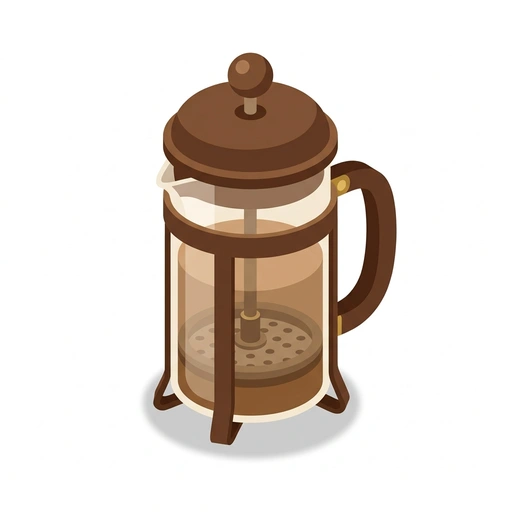
French Press: The Perfect Plunge
Master the art of immersion brewing to create a rich, full-bodied cup of coffee at home. Learn the secrets of the steep, from grind size to the final pour.
Precision Coffee Brewing
Move beyond the scoop and learn to control the variables that define a perfect cup. Master the math of ratios, the physics of extraction, and the chemistry of water to achieve professional consistency at home.
Better Drinking: Avoiding Common Mistakes
Learn to enjoy alcohol without the common pitfalls. This course focuses on serving, pacing, and tasting better to elevate your experience and avoid the morning-after regrets.

The Professional Barista
Move beyond basic brewing to master the precision, chemistry, and workflow of a high-end specialty coffee bar.

Decoding White and Red Wines
Move beyond 'red or white' by understanding the structural differences, winemaking techniques, and regional profiles that define your favorite bottles.
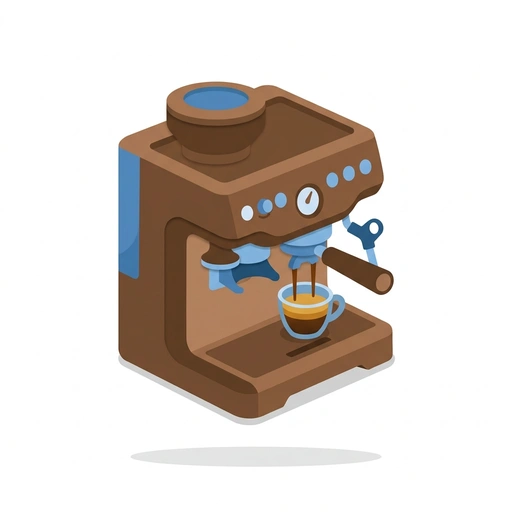
Perfecting the Barista Express
Move beyond the 'Double Shot' button and master the nuances of your Breville Barista Express. Learn to diagnose extractions, optimize the built-in grinder, and maintain your machine for cafe-quality results at home.
Better Coffee at Home
Stop settling for bitter or watery cups. Learn the simple ratios and techniques that turn your kitchen into your favorite neighborhood café.
Better Coffee at Home
Stop settling for bitter brown water. Learn the simple variables that transform your morning routine into a cafe-quality experience.
The Home Barista's Toolkit
Move beyond the basic brew by mastering bean selection, grind precision, and the mechanics of professional-grade extraction at home.
The Science of Flavor
Stop following recipes blindly and start understanding how ingredients actually work together. Learn to balance tastes and master the heat to cook by intuition.
The Perfect Cortado
Master the art of the 1:1 ratio. Learn to balance bold espresso with silky steamed milk to create the coffee shop's most sophisticated small drink.
Finding the Flavor in Your Coffee
Stop just drinking your morning cup and start actually tasting it. Learn to identify hidden notes, balance acidity, and choose beans you will actually love.
Better Coffee at Home
Stop settling for mediocre mornings. Learn to brew cafe-quality coffee by mastering the variables that actually matter, from bean selection to extraction science.
Sensory Coffee Tasting & Note-Taking
Develop a professional palate by mastering the nuances of flavor, acidity, and mouthfeel. Learn to translate complex sensory experiences into precise, descriptive tasting notes.
Espresso Extraction and Service
Master the science of the perfect shot, from the physics of puck resistance to the nuances of water chemistry and high-volume workflow.
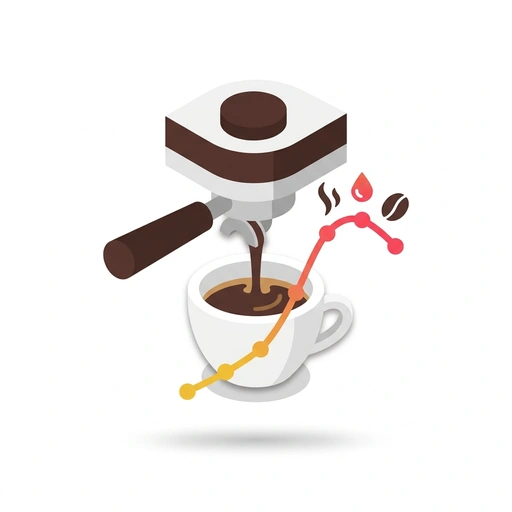
Espresso: Beyond the Timer
Stop relying on the clock and start using your eyes. Learn to read the flow, identify the blonding point, and use flow control to master the perfect extraction.
Cooking: From Recipes to Intuition
Move beyond following instructions to understanding the mechanics of flavor. Master the techniques that professional chefs use to transform simple ingredients into restaurant-quality meals.
The Craft of Better Coffee
Move beyond the morning caffeine hit to understand the variables that define a perfect cup. Learn to manipulate extraction, analyze flavor profiles, and source beans like a professional.

The Confident Wine Taster
Stop guessing at the wine shop. Learn to identify what you actually like, decode any bottle label, and pair flavors like a pro.
Cold Brew Mastery and Cold Foam Craft
Elevate your home brewing from basic immersion to professional-grade concentrates and velvety cold foams. Learn the precise science of extraction, bean selection, and texture manipulation for the perfect chilled cup.
The Perfect Latte: Beans to Microfoam
Move beyond the basic pour by mastering the chemistry between specific bean origins and milk proteins. Learn to select, steam, and balance your way to a professional-grade cup.
Wine and the Epicurean Table
Unlock the secrets of the vine and the plate. Learn to taste with confidence, pair like a pro, and navigate any wine list with ease.

Espresso: The Perfect Shot
Master the art of the god shot using your ECM Classika and Eureka Zero. From PID temperature management to stepless grind precision, learn to diagnose and perfect every extraction.

Baking for Sensitive Pets
Learn to bake delicious, safe treats for dogs and cats with allergies, weight issues, or sensitive stomachs. Master the art of ingredient swapping to keep your furry friends healthy and happy.
The Art of Tasting Coffee
Stop just drinking coffee and start tasting it. Learn to identify hidden notes of fruit, chocolate, and spice while discovering how to choose the perfect beans for your palate.
Crafting Classic Cocktails
Learn to mix professional-grade drinks by mastering the core templates that define every great cocktail. From the perfect Sour to the spirit-forward Old Fashioned, you'll gain the confidence to shake, stir, and riff like a pro.

Elevating Your Home Cooking
Move beyond following recipes to understanding the mechanics of flavor, heat, and texture. Learn the professional techniques that turn a standard meal into a restaurant-quality experience.
The Art of the Cocktail
Move beyond basic mixing to master the ratios, spirit profiles, and professional techniques that define modern mixology. Learn to balance complex flavors and understand the 'why' behind every pour.

The Science of Ice Cream and Gelato
Move beyond basic recipes to master the molecular balance of fat, sugar, and air for professional-grade texture in your 2-liter churner.
Precision Coffee Brewing
Move beyond the basics of the morning pot to master the physics of extraction, water chemistry, and the nuanced techniques of world-class pour-overs and espresso.
Chocolate Gravy: An Appalachian Tradition
Discover the surprising history and comforting rituals behind the South's favorite breakfast secret. Learn how a few pantry staples created a cultural icon of the Ozarks and Appalachia.
Sourdough: Baking with Wild Yeast
Stop following rigid recipes and start understanding the living ecosystem of wild yeast to bake crusty, tangy bread at home.
Baking From Scratch
Transform flour and water into professional-quality treats. Learn the fundamental techniques of heat, chemistry, and texture that make every bake a success.
The Craft of Specialty Coffee
Master the art of specialty coffee from the science of roasting to the logistics of running a high-end cafe. Learn to identify flavor profiles, manage a professional team, and build a sustainable coffee business.
Coffee and Tea at Home
Master the art of the perfect brew from your own kitchen. Learn to use professional tools and techniques to transform beans and leaves into world-class beverages.
Brewing Your Best Cup
Stop settling for mediocre coffee. Learn the simple, high-impact adjustments that turn your morning routine into a cafe-quality experience.
Dialing In Your Coffee
Move beyond the recipe and learn to manipulate variables like a professional barista to find the 'sweet spot' in every bean.
Professional Barista Techniques
Move beyond the basics of espresso and milk. Learn to manipulate extraction variables, master water chemistry, and refine your sensory palate for professional-grade coffee service.
The Professional Barista's Guide to Extraction
Master the precision of the modern espresso bar. Go beyond the basics of pulling shots to command ratios, liquid mass, and the nuanced science of the ristretto.
Professional Cooking at Home
Stop following recipes blindly and start thinking like a chef. Master the fundamental habits of organization, seasoning, and heat management that transform a home cook into a culinary pro.
Professional Beverage Service and Mixology
Master the art of the bar from spirits and cocktails to wine and beer. This comprehensive guide prepares you for professional certifications and high-stakes hospitality environments.
The Art of the Mixed Drink
Learn to craft professional-quality cocktails at home by mastering the fundamental ratios, essential techniques, and the rich history behind the world's most iconic drinks.
The Working Bartender
Master the essential moves and mental habits of a professional bartender. This course focuses on the speed, setup, and service skills needed to survive and thrive behind a real bar.
Brewing Better Coffee
Stop settling for mediocre mornings. Learn the simple variables that transform a standard cup of joe into a cafe-quality experience at home.
Barista Craft: The Starbucks Method
Master the art of high-volume espresso craft, from the perfect microfoam vortex to the precise sequencing of shaken and layered beverages.
Mastering the Perfect Cup of Tea
Stop drinking bitter, bland tea and start brewing like a pro. Learn the simple tricks to unlock incredible flavors from your favorite leaves and understand what makes a great cup truly special.
Mastering French Wine
Stop feeling lost at the wine shop and start picking bottles like a pro. Learn to navigate the famous regions of France by taste, label, and location.

The Art of the Espresso Bar
Move beyond the basic latte and master the subtle ratios that define world-class coffee. Learn to navigate a specialty menu and understand how milk texture and water volume transform a single bean into dozens of distinct experiences.
The Home Barista's Espresso Guide
Master the art of the perfect espresso shot and learn how to build every classic cafe drink right in your own kitchen. From silky lattes to bold americanos, you'll learn the exact ratios that make each drink unique.
Advanced Barista Mastery
Master the art of high-volume specialty coffee service. From precision extraction chemistry to advanced sensory analysis and equipment maintenance, this course transforms skilled brewers into elite coffee professionals.
Mastering the Espresso Bar
Move beyond the basics of home brewing to craft cafe-quality drinks. Learn to balance flavors, texture milk like a pro, and understand the subtle differences between classic espresso recipes.
Brewing Your Best Cup
Stop settling for bitter or sour coffee and start making cafe-quality drinks at home. Learn the simple tweaks that turn a morning routine into a daily highlight.
The Siren’s Craft: Advanced Beverage Architecture
Master the art of high-volume craft by manipulating the Starbucks core menu into bespoke creations. Learn to engineer complex flavor profiles and optimize workflow without sacrificing the signature Siren standard.
The Wine Manager's Playbook
Master the art of selling wine by helping customers find exactly what they need. From decoding sweetness levels to suggesting the perfect dinner pairing, you'll become the most trusted expert on the floor.
Brewing the Perfect Cup
Stop settling for bitter office coffee and start making cafe-quality drinks at home. Learn the simple tricks to control flavor and find the beans that actually match your taste.
The Espresso Purist's Journey
Move beyond milk and sugar to appreciate the intense, complex world of straight espresso. Learn to identify flavor profiles and train your palate to enjoy the 'black gold' of the coffee world.
Brewing the Perfect Cup
Stop settling for bitter office coffee and start making cafe-quality drinks at home. Learn the simple tricks to balance flavor and master the most popular recipes from around the world.
Mastering Your Home Coffee Bar
Transform your kitchen into a specialty cafe using your Nespresso Vertuo. Learn to pull perfect shots, froth silky milk, and create professional-grade drinks with ease.
The Coffee Connoisseur’s Journey
Move beyond the basic caffeine fix. Learn to craft the perfect milk-to-espresso ratio, identify subtle flavor notes, and discover how geography shapes your morning cup.
The Coffee Connoisseur's Palate
Move beyond 'bitter' and 'strong' to unlock the hidden flavors of your morning cup. Learn to identify regional profiles, evaluate acidity, and master the professional techniques used by world-class tasters.
Brewing Your Best Cup
Stop settling for bitter or sour coffee. Learn how to fix your morning brew and unlock the hidden flavors in your favorite beans using the tools you already have.
Crafting Your Signature Cocktails
Stop following recipes and start writing them. Learn the secret ratios behind every great drink and build a personal cocktail book that impresses every guest.

The Confident Connoisseur
Move beyond the basics of red and white to master the art of pairing, tasting, and selecting. Learn to navigate any wine list with ease and understand the hidden factors that make a bottle truly exceptional.
Mastering the Home Espresso Bar
Take your home barista skills to the next level by mastering the science of milk texture and the art of the perfect extraction. Learn to dial in your beans and pour beautiful designs with confidence.
Mastering the Espresso Bar
Move beyond the basic latte and learn to navigate any specialty coffee menu with confidence. Discover how to customize your drink's texture, intensity, and origin to get exactly what you want every time.
The Sommelier's Palate: Advanced Pairing & Profiling
Master the art of sensory analysis and culinary synergy. Move beyond basic red and white to decode complex structural profiles and execute world-class food pairings.
The Craft of the Modern Barista
Move beyond the basics of pushing buttons and learn to manipulate flavor like a pro. Master the variables of extraction and the physics of milk to create the perfect cafe experience.
Brew Like a Barista
Stop settling for bitter coffee and start crafting cafe-quality drinks at home. Master the art of the perfect pour and silky milk foam through the eyes of a professional maker.
Mastering the Blind Pour
Move beyond guessing and start deducing. Learn to decode the structural clues in your glass to identify grape varieties and regions like a seasoned sommelier.
Decoding the Coffeehouse Menu
Move beyond the basic latte and learn to navigate any specialty coffee menu with confidence. Master the ratios, textures, and flavor profiles that define every drink from a flat white to a cortado.
Mastering the Art of Espresso
Stop settling for mediocre coffee and start pulling cafe-quality shots at home. Learn to dial in flavor, steam silky milk, and master the science of the perfect extraction.
Mastering the Fluid Bed: Artisan Roasting
Unlock the precision of air roasting to achieve unparalleled clarity and sweetness. Move beyond drum roasting habits to master high-velocity heat transfer and the physics of levitation.
Mastering the Perfect Cup of Coffee
Stop settling for bitter, burnt coffee and start brewing like a pro. Learn how to fix your morning cup, taste the hidden flavors in different beans, and finally understand the science behind the perfect brew.
Level Up Your Home Cooking
Move beyond following recipes and start making intuitive decisions in the kitchen. Learn how to balance flavors, master heat control, and fix common mistakes on the fly.
The Baker's Freedom: Creating Your Own Recipes
Stop following the rules and start making them! Learn how to turn your favorite flavors into custom bakes and finally understand the 'magic' that makes dough rise and cookies crunch.
The Coffee Sommelier's Path
Master the art of the perfect extraction and develop a professional-grade palate. From advanced refractometry to the molecular chemistry of roasting, transform from a home brewer into a world-class coffee authority.
The Pinot Noir Masterclass
Master the nuances of the 'heartbreak grape' and refine your palate for world-class reds. From decoding terroir-driven aromatics to managing a professional cellar, this course transforms enthusiasts into connoisseurs.

The Sophisticated Sip
Move beyond the basics of 'red or white' and 'lager or ale.' Master the art of pairing, identifying complex flavor profiles, and understanding the hidden chemistry that makes every glass unique.

The Art of the Frozen Blend
Move beyond the basic menu and master the mechanics of the perfect frozen coffee. Learn to balance texture, control sweetness, and engineer the ultimate icy treat.
Bake Your First Great Loaf
Stop settling for store-bought slices and start making bakery-quality bread at home. Learn the simple secrets to a perfect crust and a soft, airy center using just four ingredients.
Mastering Sourdough at Home
Stop buying expensive loaves and start baking your own tangy, crusty bread. Learn to keep a starter alive and bake your first masterpiece using just flour, water, and salt.
Mastering the Noble Eight
Move beyond the label and learn to identify the world's most influential grapes by their structure and personality. Discover how climate and soil transform these eight varietals from simple juice into complex masterpieces.
Mastering the Crunch: The Art of Pickling
Transform ordinary vegetables into tangy, crunchy snacks right in your own kitchen. Learn to balance flavors and preserve the seasons with simple techniques that work every time.
The Art of the Cut: Retail Butchery Mastery
Move beyond basic slicing to master the craft of whole-animal breakdown and the business of a modern butcher shop. Learn to maximize every ounce of product while creating cuts that keep customers coming back.

Bake Your First Perfect Loaf
Stop guessing and start baking bread that actually tastes good. Master the simple rhythms of dough to turn your kitchen into a professional-smelling bakery.
Mastering the Japanese Kitchen
Learn to cook authentic Japanese meals that taste like they came from a Tokyo kitchen. From perfect rice to the secrets of savory umami, you'll master the techniques that make Japanese food world-famous.
Baking Your First Whole Wheat Loaf
Stop buying store-bought bread and start smelling the aroma of fresh toast in your own kitchen. Learn the simple steps to turn flour and water into a hearty, healthy loaf you'll be proud to slice.
Mastering Your Morning Cup
Stop settling for bitter coffee and start brewing like a pro. Learn to fix your flavor, master the Moka Pot, and unlock the science behind the world's favorite bean.
The Perfect Chocolate Chip Cookie
Move beyond the back-of-the-bag recipe to master the textures and flavors of a world-class cookie. Learn how small tweaks in technique and ingredients create the specific chew, crunch, and depth you crave.
The Versatile Chef: Mastering Every Way to Cook
Move beyond following recipes to understanding the 'how' and 'why' of the kitchen. Explore professional techniques, sensory cooking, and the science of heat to become a truly intuitive cook.
The Kitchen Garden Masterclass
Stop buying flavorless produce and start growing your own feast. Learn to plant, harvest, and cook incredible meals using the secrets of history's greatest gardeners.

Bake Your First Sourdough Bread
Stop buying expensive loaves and start baking your own. Learn how to manage a starter, read the dough, and get that perfect crispy crust right in your home oven.

The Language of Sweets
Discover how sugar became the ultimate way to say 'I love you.' Explore the history and heart behind the treats we share with the people who matter most.
The Magic of Sourdough Math
Learn how to bake perfect bread by mastering the numbers behind the crust. We will explore how simple measurements turn flour and water into a bubbly, delicious masterpiece.
Cooking Without the Mistakes
Learn how to cook delicious meals by avoiding the most common kitchen blunders. Master the basics of heat, seasoning, and prep work to boost your confidence at the stove.

The Art of Picking Your Perfect Lunch
Stop staring at the fridge and learn how to build a meal that keeps you energized. Discover how to balance flavors and energy levels to beat the afternoon slump.
Coffee Around the World
Travel the globe through your coffee cup! Discover how different cultures brew, serve, and celebrate their favorite morning drink.
Spice Routes: Flavors That Changed History
Trace the aromatic trails that connected East and West, sparking global exploration and transforming world cuisines. Discover how the quest for black pepper and cinnamon built empires and redrew the world map.
Street Food Capitals
Travel the world through your taste buds and discover the most famous food stalls on the planet. Learn the secrets of iconic dishes and the best cities to find them.
The Story of Chocolate
Follow the journey of chocolate from a bitter ancient drink to the world's favorite sweet treat. Discover how a simple bean changed history and conquered our taste buds.
Wine: From Grape to Glass
Uncover the secrets behind your favorite bottle of wine. Learn how simple grapes transform into complex flavors and how to pick the perfect glass for any occasion.
Why learn food & drink on Tomo?
Wikipedia rabbit holes and YouTube videos rarely stick. Tomo turns food & drink into bite-size lessons with quizzes and streaks, so what you learn actually lands, and you actually finish. Five minutes a day, taught in a voice you pick.
Tomo is in ChatGPT
Tomo is also a ChatGPT plugin: the same playable courses, built and played inside your chat.
Add Tomo to ChatGPT- What to ask
- “Make me a Tomo course on black holes.” “Turn this chat into a Tomo course.”
- What you get
- Quick questions with instant feedback, hearts and stars, ready to play in about a minute.
- Where it goes
- No sign-up to start. Connect your Tomo account and your streak carries on in the app.
Questions
Are the Food & Drink courses on Tomo free?
Yes. Every Food & Drink course is playable on Tomo's free plan, which doesn't expire. No credit card, no waitlist.
What food & drink courses can I take on Tomo?
The Art and Science of Espresso Mastery, Beyond the Label: Mastering Wine, Poise and Table Etiquette, The Chemistry of Coffee Extraction, Wine: Tasting, Terroir, and Trade, Cola Champagne: Culture and Chemistry, Behind the Espresso Bar, and Specialty Coffee: Dialing In Flavor, plus 371 more. Every one is free to play and built as a game, and new food & drink courses get added all the time.
How does Tomo teach food & drink?
Tomo turns each food & drink topic into a gamified course: levels, streaks, and quick quizzes you play five minutes a day. You pick the teaching style, from a clear Professor to a playful Storyteller.
Can I create my own food & drink course?
Yes. If you don't see the food & drink topic you want, type it into Tomo and it builds a full course for you in a couple of minutes.
Feed your curiosity.
Download Tomo and start your first food & drink lesson today.